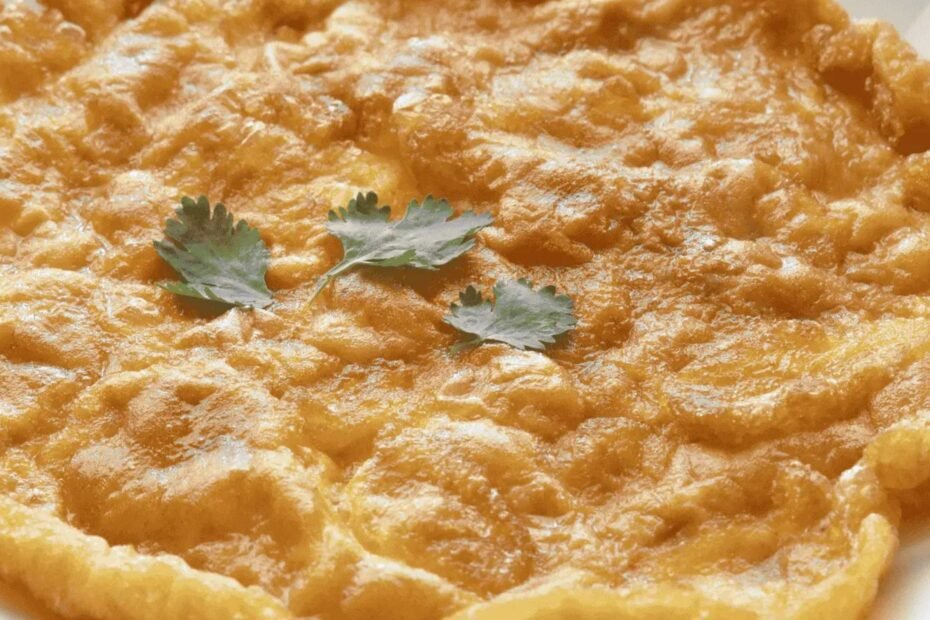
Some of the most loved foods in Thailand are not expensive or complicated. They do not require rare ingredients or hours of cooking. One of the best examples is Kai Jeow, the famous Thai omelet that has comforted hungry people for generations.
At first glance, Kai Jeow may seem like a simple omelet. Eggs are beaten, seasoned with fish sauce, and fried until golden brown. Then it is served over a plate of hot steamed rice. That sounds easy enough.
Yet anyone who has tasted a properly made Kai Jeow knows there is something special about it.
The outside is crispy and golden. The inside stays soft, fluffy, and full of flavor. The rich aroma of eggs combines with the savory taste of fish sauce, creating a meal that is simple but deeply satisfying.
Across Thailand, Kai Jeow is one of the most popular comfort foods. It can be found in homes, street food stalls, small restaurants, school cafeterias, and food courts. Children grow up eating it. University students rely on it during busy days. Office workers enjoy it as a quick lunch. Parents prepare it when they want a fast and affordable meal.
The beauty of Kai Jeow lies in its simplicity. It proves that a few ordinary ingredients can create something unforgettable.
What Is Kai Jeow?
Kai Jeow is a traditional Thai omelet made primarily from eggs and fish sauce.
Unlike many Western omelets that are cooked slowly and folded, Kai Jeow is cooked in very hot oil. This high heat causes the eggs to puff up dramatically and develop crispy edges.
The omelet is usually served over freshly steamed jasmine rice.
Some versions include minced pork, shrimp, green onions, or vegetables, but the classic version remains wonderfully simple.
The combination of fluffy eggs and fragrant rice creates a meal that feels comforting at any time of day.
A Dish Found in Every Corner of Thailand
One reason Kai Jeow remains so popular is accessibility.
Almost every household has eggs.
Fish sauce is a staple ingredient in Thai kitchens.
Rice is eaten daily.
Because the ingredients are so common, Kai Jeow has become a reliable meal for generations.
Many Thai children learn how to cook Kai Jeow before learning more complicated dishes.
Parents often teach their children the recipe because it is easy to understand while still teaching important cooking skills.
The dish is also popular among street food vendors because it cooks quickly. Customers can place an order and receive a hot meal within minutes.
Why Fish Sauce Makes the Difference
The ingredient that separates Kai Jeow from many other omelets is fish sauce.
At first, it may seem unusual to add fish sauce to eggs. However, once cooked, it creates a rich savory flavor that perfectly complements the eggs.
Fish sauce adds depth without overpowering the dish.
The result is an omelet that tastes richer and more satisfying than one seasoned only with salt.
Many Thai cooks believe that fish sauce is the heart of Kai Jeow.
Without it, the dish loses part of its identity.
The Magic of Hot Oil
One of the secrets behind authentic Kai Jeow is the cooking method.
The eggs are fried in hot oil rather than gently cooked in a small amount of butter or oil.
When the beaten eggs hit the hot oil, they immediately puff up.
Large bubbles form.
The edges become crisp.
The center remains soft.
This contrast between crispy and fluffy textures is one of the reasons people love the dish.
The dramatic appearance also makes it fun to cook and serve.
Ingredients
For the omelet:
- 4 large eggs
- 2 teaspoons fish sauce
- 1 tablespoon water
- 1 cup vegetable oil for frying
Optional additions:
- 100 grams minced pork
- 2 tablespoons chopped green onions
- Fresh chili slices
For serving:
- Steamed jasmine rice
- Sliced cucumber
- Chili sauce or fresh chilies
Prep Time and Cook Time
Preparation Time: 5 minutes
Cooking Time: 10 minutes
Total Time: 15 minutes
Servings: 2
Step-by-Step Kai Jeow Recipe
Prepare the Eggs
Crack the eggs into a mixing bowl.
Add the fish sauce and water.
Beat the mixture thoroughly.
The more air you incorporate, the fluffier the omelet will become.
If using minced pork or green onions, add them now and mix well.
Heat the Oil
Pour the oil into a wok or deep frying pan.
Heat it over medium-high heat.
The oil should be hot enough that a small drop of egg immediately sizzles when added.
This high temperature is important for creating the signature texture.
Cook the Omelet
Carefully pour the egg mixture into the hot oil.
The eggs will expand rapidly and rise toward the surface.
Allow the omelet to cook undisturbed for a minute or two.
Turn the Omelet
Once the bottom becomes golden brown, carefully flip the omelet.
Cook the second side until it develops the same beautiful color.
The outside should be crisp while the inside remains tender.
Drain and Serve
Remove the omelet from the oil.
Place it on paper towels briefly to remove excess oil.
Serve immediately over hot jasmine rice.
Add cucumber slices and your preferred condiments.
Why Rice Is Essential
Although Kai Jeow can be eaten by itself, it is traditionally served with rice.
The rice balances the rich flavor of the fried eggs.
It also absorbs any juices and seasonings from the omelet.
For many Thai people, the meal feels incomplete without rice.
A plate of Kai Jeow over steaming jasmine rice represents comfort food in its purest form.
It is simple, filling, and satisfying.
Variations Found Across Thailand
One reason Kai Jeow has remained popular for so long is its flexibility.
Different families add different ingredients according to their tastes.
Some include minced pork.
Others add shrimp.
Some mix in onions, tomatoes, or herbs.
Certain street vendors have developed their own special versions that attract loyal customers.
Yet no matter how many variations exist, the basic concept remains unchanged.
Eggs, fish sauce, hot oil, and rice continue to form the foundation of the dish.
The Role of Texture
Texture is one of the most important aspects of Kai Jeow.
A great omelet should not be completely soft.
It should not be completely crispy either.
The ideal version combines both qualities.
The outer layer provides crunch.
The interior remains light and fluffy.
This balance creates a more enjoyable eating experience.
Every bite offers a contrast that keeps the dish interesting.
Why Kai Jeow Remains a Favorite
Many food trends come and go.
New dishes appear constantly.
Yet Kai Jeow remains one of Thailand’s most beloved meals.
Part of its appeal comes from nostalgia.
People often associate it with childhood meals and family kitchens.
Another reason is convenience.
The ingredients are affordable and widely available.
The cooking process is quick.
The results are consistently satisfying.
In a world filled with complicated recipes, Kai Jeow reminds us that simplicity can be beautiful.
Nutrition Information
Approximate values per serving:
| Nutrient | Amount |
|---|---|
| Calories | 350–450 |
| Protein | 16g |
| Carbohydrates | 20g |
| Fat | 24g |
| Fiber | 1g |
| Sodium | 700mg |
Values may vary depending on portion size and optional ingredients.
Eggs provide high-quality protein and important vitamins.
Rice supplies energy through carbohydrates.
When served with fresh vegetables, the meal becomes even more balanced.
Tips for Home Cooks
Use fresh eggs for the best flavor and texture.
Beat the eggs thoroughly to incorporate air.
Make sure the oil is properly heated before cooking.
Do not overcrowd the pan.
Use fish sauce sparingly because a little goes a long way.
Serve the omelet immediately after cooking for maximum crispness.
Jasmine rice provides the most authentic pairing.
Add minced pork if you want a heartier meal.
A wok works especially well because it helps the eggs puff up evenly.
Keep an eye on the cooking process because the omelet cooks quickly.
Kai Jeow continues to hold a special place in Thai cuisine because it transforms simple ingredients into something memorable. The crispy golden exterior, fluffy interior, savory fish sauce, and fragrant jasmine rice create a meal that feels comforting and familiar. Whether prepared by a street vendor during a busy lunch rush or cooked at home for family dinner, this humble Thai omelet remains one of the country’s most cherished everyday dishes.