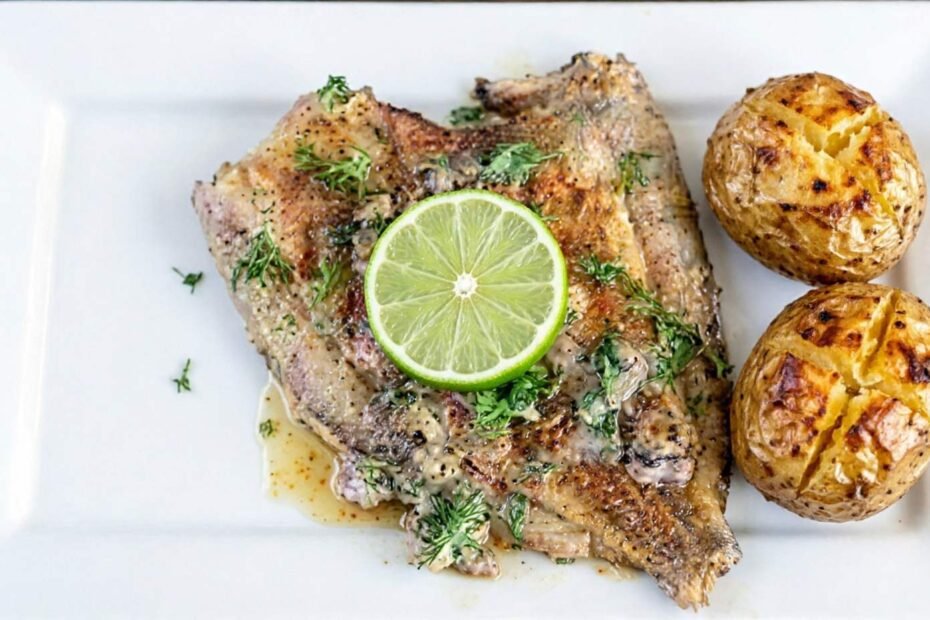
Among the many seafood dishes that define Danish cooking, Rødspætte holds a special place. This simple yet delicious meal features fried plaice fillets cooked in butter and served with boiled potatoes and creamy remoulade. It is a dish that perfectly captures the Danish approach to food—fresh ingredients, uncomplicated preparation, and flavors that let the natural quality of the seafood shine.
Walk into a traditional Danish restaurant near the coast, and there is a good chance you will find Rødspætte on the menu. It is loved by families, seafood enthusiasts, and visitors looking to experience authentic Danish cuisine. The dish may appear modest, but one bite quickly reveals why it has remained popular for generations.
The tender fish, golden crust, buttery aroma, soft potatoes, and tangy remoulade create a meal that feels comforting, satisfying, and deeply connected to Denmark’s maritime heritage.
The Story Behind Rødspætte
The word “Rødspætte” refers to plaice, a flatfish commonly found in the waters around Denmark. For centuries, Danish fishermen have caught plaice in the North Sea and the Baltic Sea.
Because the fish is plentiful and has a mild, delicate flavor, it became a favorite ingredient in Danish households. Families discovered that frying the fillets in butter created a wonderfully crisp exterior while keeping the inside moist and tender.
Over time, fried plaice became a staple meal. It appeared on dinner tables, in seaside cafés, and at family gatherings. Even today, many Danes consider it one of the most comforting seafood dishes in their culinary tradition.
Unlike heavily seasoned fish dishes found elsewhere, Rødspætte relies on simplicity. The fresh fish remains the star of the plate.
Why Rødspætte Is So Popular
One reason for the dish’s popularity is its balance.
The fish is light and delicate.
The butter adds richness.
The potatoes provide comfort and substance.
The remoulade contributes creaminess and a slight tang.
Together, these elements create a meal that feels complete without being heavy.
The dish also highlights the quality of Danish seafood. Since the seasoning is minimal, the natural flavor of the fish remains front and center.
What Makes Plaice Special?
Plaice is a flatfish known for its mild taste and tender flesh.
Unlike stronger fish such as mackerel or herring, plaice has a gentle flavor that appeals to many people, including those who do not eat seafood often.
Its thin fillets cook quickly and develop a beautiful golden crust when fried.
Because the fish is naturally delicate, it works perfectly with simple ingredients like butter, potatoes, parsley, and remoulade.
This combination allows the fish to remain the focus of the meal.
Prep Time and Cook Time
Prep Time: 20 minutes
Cook Time: 25 minutes
Total Time: 45 minutes
Serves: 4 people
Difficulty Level: Easy
Ingredients
For the Fried Plaice
- 4 plaice fillets
- ½ cup flour
- Salt
- Black pepper
- 3 tablespoons butter
- 1 tablespoon vegetable oil
- Fresh parsley for garnish
For the Potatoes
- 800 grams potatoes
- Water
- Salt
For Serving
- 4 tablespoons remoulade
- Lemon wedges
- Fresh parsley
Understanding the Main Ingredients
Before cooking, it helps to appreciate the role each ingredient plays.
Plaice
The fish provides the heart of the dish.
Fresh plaice has a clean taste and delicate texture that becomes even more enjoyable after frying.
Butter
Butter adds richness and helps create the golden crust that makes the fish so appealing.
The nutty aroma of browned butter is one of the most recognizable parts of this dish.
Potatoes
Boiled potatoes are simple, but they help balance the richness of the butter and remoulade.
Their mild flavor allows the fish to remain the star.
Remoulade
Danish remoulade is a creamy sauce often made with mayonnaise, pickles, and seasonings.
Its slight sweetness and tanginess pair beautifully with fried fish.
Step One: Preparing the Potatoes
Start by washing the potatoes thoroughly.
Peel them if desired, though many people leave the skins on for extra texture.
Place them in a large pot and cover with water.
Add a little salt.
Bring the water to a gentle boil and cook until the potatoes become tender.
A knife should slide through easily when they are done.
Drain the potatoes and keep them warm while preparing the fish.
The simple potatoes will provide the perfect companion to the crispy plaice.
Step Two: Preparing the Fish
Pat the plaice fillets dry with paper towels.
This helps create a better crust during frying.
Season both sides lightly with salt and black pepper.
Place flour on a large plate.
Gently coat each fillet with a thin layer of flour.
Shake off any excess.
The flour creates a delicate outer coating that turns golden and crisp in the pan.
The fish should be lightly covered rather than heavily breaded.
Step Three: Heating the Pan
Place a large frying pan over medium heat.
Add the butter and oil.
The oil helps prevent the butter from burning while still allowing it to develop its wonderful flavor.
As the butter melts, it begins to foam and release its rich aroma.
This is one of the most enjoyable moments in the cooking process.
Step Four: Frying the Plaice
Carefully place the fillets into the hot pan.
Avoid overcrowding.
The fish should have enough space to cook evenly.
Let the fillets cook until the underside becomes golden brown.
Turn them gently using a spatula.
Plaice is delicate, so handle it carefully.
Cook the second side until it also develops a beautiful golden crust.
The fish should flake easily with a fork when done.
The entire kitchen will be filled with the inviting smell of butter and seafood.
Transfer the cooked fillets to a warm plate.
Step Five: Finishing with Butter
Many traditional cooks spoon a little of the hot butter from the pan over the cooked fish before serving.
This simple step adds extra richness and flavor.
The butter also creates a glossy finish that makes the fish look even more appetizing.
A sprinkle of chopped parsley adds freshness and color.
Step Six: Plating the Dish
Arrange the boiled potatoes on each serving plate.
Place a fried plaice fillet beside them.
Add a generous spoonful of remoulade.
Garnish with parsley and a lemon wedge.
The finished plate looks elegant despite its simplicity.
Golden fish, creamy sauce, bright herbs, and soft potatoes create a beautiful balance of colors and textures.
The Experience of Eating Rødspætte
The first bite is wonderfully satisfying.
The crisp outer coating gives way to tender fish.
The butter provides richness without overwhelming the delicate seafood.
The potatoes add comfort and substance.
The remoulade contributes creaminess and a gentle tang.
A squeeze of lemon brightens everything.
Each bite feels fresh, balanced, and deeply comforting.
Rødspætte in Danish Food Culture
Rødspætte is more than a seafood dish.
It represents Denmark’s close relationship with the sea.
Fishing communities have relied on plaice for generations, and the fish remains an important part of Danish cuisine.
Many families have their own version of the recipe. Some add parsley potatoes, while others serve the fish with cucumber salad or seasonal vegetables.
Despite these small differences, the core of the dish remains unchanged.
Fresh fish.
Good butter.
Simple preparation.
This respect for quality ingredients is one reason Danish cooking is admired around the world.
Traditional Side Dishes
Although potatoes and remoulade are the most common companions, Rødspætte is often served with other traditional sides.
Popular choices include:
- Parsley potatoes
- Cucumber salad
- Green peas
- Steamed carrots
- Rye bread
- Mixed greens
- Pickled vegetables
These additions provide variety while preserving the traditional character of the meal.
Nutritional Benefits
Rødspætte offers several nutritional advantages.
Plaice is a good source of lean protein.
It contains important vitamins and minerals while remaining relatively low in fat.
Potatoes provide energy through healthy carbohydrates.
Fresh parsley contributes vitamins and antioxidants.
When served with vegetables, the meal becomes even more balanced and nutritious.
The dish demonstrates how simple ingredients can create both flavor and nourishment.
Tips for Home Cooks
Choose the freshest plaice available for the best flavor and texture.
Pat the fish dry before coating it with flour.
Do not use too much flour. A light coating works best.
Cook over medium heat to prevent the butter from burning.
Handle the fish gently when turning it.
Serve immediately after frying for maximum crispness.
Use real butter rather than substitutes for authentic flavor.
Warm the serving plates before plating the meal.
Fresh lemon enhances the natural flavor of the fish.
A small amount of chopped parsley adds freshness and visual appeal.
If plaice is unavailable, other mild white fish fillets can be used successfully.
Rødspætte remains one of Denmark’s most treasured seafood dishes because it celebrates simplicity at its finest. The delicate plaice, golden butter, creamy remoulade, and comforting potatoes come together to create a meal that feels timeless. Every plate reflects Denmark’s fishing heritage and its belief that excellent ingredients need very little to become something truly memorable.