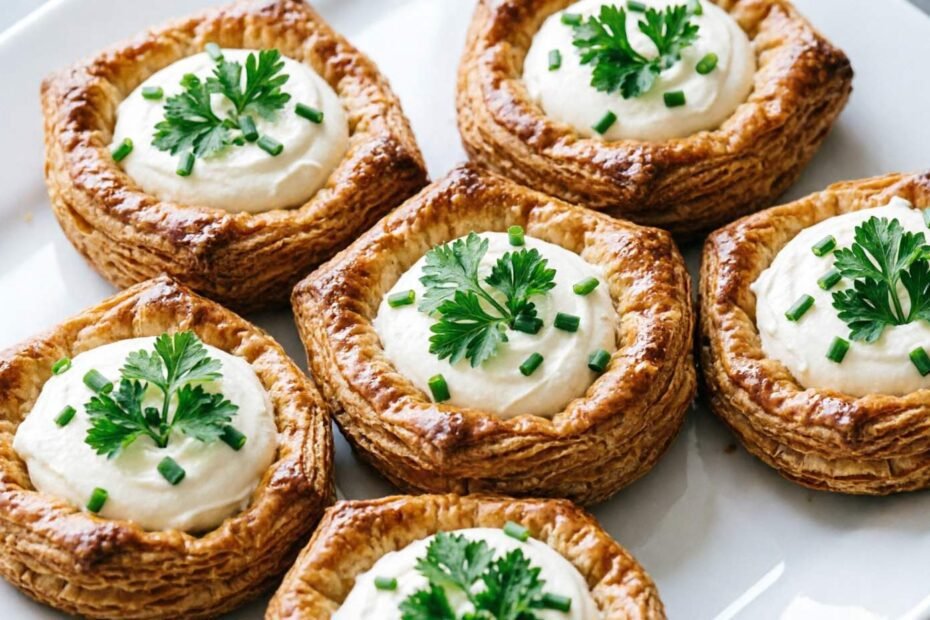
Among the many comforting dishes found in Denmark, Tarteletter with Chicken and Asparagus holds a special place. It is a dish that often appears at family gatherings, holiday meals, celebrations, and Sunday lunches. At first glance, it looks elegant and almost delicate, but beneath its attractive appearance is a warm and satisfying meal that generations of Danes have loved.
The dish consists of crisp puff pastry shells called tarteletter, filled with a creamy mixture of tender chicken, asparagus, and rich white sauce. The contrast between the flaky pastry and the smooth filling makes every bite enjoyable.
Many visitors to Denmark are surprised by how beloved this dish remains. In a world filled with modern food trends, Tarteletter with Chicken and Asparagus continues to hold its place on Danish tables because it combines comfort, tradition, and simple ingredients in a beautiful way.
The first spoonful breaks through the golden pastry shell and reaches the creamy filling beneath. The aroma of chicken, butter, and asparagus rises from the plate, creating a meal that feels welcoming from the very first moment.
The Story Behind Tarteletter
Tarteletter originally came from European pastry traditions, where small pastry shells were used to hold sweet or savory fillings.
Over time, Danish cooks adapted the idea and created their own version. The savory filling of chicken and asparagus became especially popular because it was both practical and delicious.
The dish gradually became associated with celebrations and family events. Many Danes remember eating tarteletter at birthdays, holidays, or large family dinners.
Today, it remains one of the country’s most recognizable comfort foods. It is simple enough for home cooks but elegant enough to serve guests.
Why Danes Love This Dish
One reason for the popularity of tarteletter is the balance of textures.
The pastry shell is crisp and flaky.
The filling is creamy and rich.
The chicken provides tenderness.
The asparagus adds freshness and a slight bite.
Another reason is nostalgia. Many people connect the dish with childhood memories and family traditions.
It is the kind of meal that brings people together around the table.
What Makes Tarteletter Special?
The beauty of this dish lies in its simplicity.
Nothing is overly complicated.
The ingredients are familiar and comforting.
The creamy sauce gently coats the chicken and asparagus without overpowering them.
The pastry shell adds an extra layer of texture that transforms the filling into something memorable.
Every component has a purpose.
The result is a dish that feels both comforting and elegant at the same time.
Prep Time and Cook Time
Prep Time: 20 minutes
Cook Time: 35 minutes
Total Time: 55 minutes
Serves: 4 to 6 people
Difficulty Level: Easy
Ingredients
For the Filling
- 500 grams cooked chicken, diced
- 250 grams asparagus, cut into small pieces
- 3 tablespoons butter
- 3 tablespoons flour
- 500 ml chicken stock
- 150 ml cream
- Salt to taste
- Black pepper to taste
- Fresh parsley, chopped
For the Tarteletter
- 8 to 10 puff pastry shells
- Fresh parsley for garnish
Understanding the Main Ingredients
Before preparing the dish, it helps to understand why each ingredient matters.
Chicken
The chicken provides the heart of the filling.
Tender cooked chicken absorbs the creamy sauce beautifully while adding protein and substance.
Asparagus
Asparagus brings freshness and a mild vegetable flavor.
Its slight firmness creates a pleasant contrast to the creamy sauce.
Puff Pastry Shells
The shells are what make tarteletter unique.
Their flaky texture adds lightness and elegance.
Without the pastry shells, the filling would simply be a chicken stew.
Cream Sauce
The sauce ties everything together.
It creates richness while allowing the flavors of the chicken and asparagus to remain the focus.
Step One: Preparing the Chicken
If using freshly cooked chicken, allow it to cool slightly before cutting it into bite-sized pieces.
The pieces should be small enough to fit comfortably inside the pastry shells.
Many Danish home cooks use leftover roasted chicken because it adds extra flavor and helps reduce waste.
Place the diced chicken aside while preparing the remaining ingredients.
Step Two: Preparing the Asparagus
Wash the asparagus thoroughly.
Trim any tough ends.
Cut the asparagus into small pieces.
Bring a pot of lightly salted water to a boil.
Cook the asparagus briefly until just tender.
Drain and set aside.
The asparagus should remain bright and fresh rather than becoming overly soft.
This helps maintain its pleasant texture in the finished filling.
Step Three: Warming the Pastry Shells
Most ready-made tarteletter shells need only a short time in the oven.
Place them on a baking tray and warm according to package instructions.
The shells should become crisp and lightly golden.
As they heat, the buttery aroma fills the kitchen.
Keep them warm while preparing the filling.
Step Four: Making the Cream Sauce
Place a saucepan over medium heat.
Melt the butter gently.
Add the flour and stir continuously.
A smooth paste forms.
Cook it briefly without allowing it to brown.
Gradually add the chicken stock while whisking constantly.
This helps create a smooth sauce without lumps.
Continue stirring as the sauce thickens.
Pour in the cream and mix well.
The sauce becomes silky and rich.
Season lightly with salt and black pepper.
Step Five: Adding the Chicken and Asparagus
Add the diced chicken to the sauce.
Stir gently.
Next, add the asparagus pieces.
Allow everything to warm together for several minutes.
The sauce should coat every piece of chicken and asparagus evenly.
The mixture becomes thick, creamy, and wonderfully fragrant.
Fresh parsley can be stirred in at this stage for additional flavor and color.
Step Six: Filling the Tarteletter
Arrange the warm pastry shells on serving plates.
Using a spoon, carefully fill each shell with the creamy chicken and asparagus mixture.
Do not overfill them.
The filling should sit neatly inside the pastry shell while remaining generous enough to create an attractive presentation.
The contrast between the golden pastry and creamy filling makes the dish look especially inviting.
Step Seven: Garnishing and Serving
Sprinkle chopped parsley over the top.
Serve immediately while the shells remain crisp and the filling is warm.
The pastry should crack gently when touched with a fork, revealing the creamy filling inside.
This combination of textures is one of the reasons the dish is so loved.
The Experience of Eating Tarteletter
The first bite begins with the flaky pastry shell.
Its crisp layers break apart delicately.
Then comes the creamy filling.
The chicken is tender and satisfying.
The asparagus adds freshness.
The sauce provides richness without feeling too heavy.
Together they create a meal that feels comforting, balanced, and elegant.
Every bite combines crunch, creaminess, and gentle flavors.
Tarteletter in Danish Family Life
For many Danes, tarteletter are connected to celebrations.
They often appear at birthdays, holiday meals, and family gatherings.
Large trays of pastry shells may be placed on the table while bowls of warm filling are served separately.
Guests fill their own shells and enjoy them fresh.
This interactive style of serving makes the meal feel welcoming and relaxed.
The dish is often associated with hospitality and togetherness.
Traditional Side Dishes
Although tarteletter can be served on their own, they are often accompanied by simple side dishes.
Popular choices include:
- Green salad
- Boiled potatoes
- Pickled vegetables
- Fresh bread
- Cucumber salad
- Steamed vegetables
These sides complement the rich filling without overwhelming it.
Nutritional Benefits
The dish provides a good balance of nutrients.
Chicken supplies high-quality protein.
Asparagus contributes vitamins, minerals, and fiber.
The cream sauce provides richness and energy.
When served with vegetables or salad, the meal becomes even more balanced.
Although considered comfort food, it can still fit into a varied and enjoyable diet.
Tips for Home Cooks
Use good-quality puff pastry shells for the best texture.
Warm the shells shortly before serving to keep them crisp.
Do not overcook the asparagus.
Fresh asparagus provides the best flavor and appearance.
Whisk the sauce continuously while adding stock to prevent lumps.
Use leftover roast chicken if available for extra depth of flavor.
Season the filling gently. The flavors should remain delicate and balanced.
Serve immediately after filling the shells.
If preparing for guests, make the filling ahead of time and reheat gently before serving.
Add fresh parsley just before serving for brightness and color.
Tarteletter with Chicken and Asparagus remains one of Denmark’s most cherished comfort foods. The flaky pastry shells, creamy chicken filling, tender asparagus, and rich sauce come together to create a dish that feels both homely and elegant. It is a wonderful example of Danish cooking, where simple ingredients and thoughtful preparation create a meal that generations continue to enjoy and celebrate around the table.