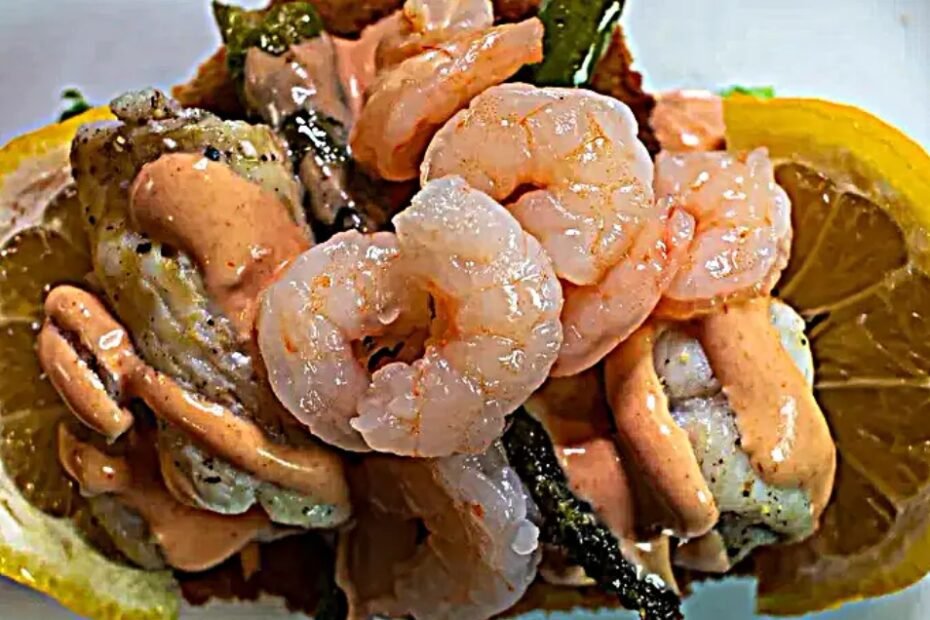
Among Denmark’s many famous seafood dishes, Stjerneskud stands out as one of the most beautiful and delicious. The name means “shooting star,” and once you see the finished dish, it is easy to understand why. This colorful open-faced sandwich is a feast for both the eyes and the taste buds.
Built on a slice of bread and topped with fried plaice, shrimp, caviar, remoulade, and fresh garnishes, Stjerneskud represents the Danish love for fresh seafood and carefully prepared smørrebrød. While some open-faced sandwiches are simple, Stjerneskud is often considered one of the most luxurious versions.
The dish combines crispy fish, sweet shrimp, creamy sauce, and delicate fish roe into a meal that feels special without being overly complicated. It is often served in cafés, seafood restaurants, and traditional Danish lunch establishments.
Every bite offers a mixture of textures and flavors that tell a story of Denmark’s close connection to the sea.
The Story Behind Stjerneskud
Stjerneskud is a relatively modern addition to the Danish smørrebrød family, but it quickly became one of the country’s most beloved seafood dishes.
Legend says the dish was created when a restaurant wanted to serve something more impressive than a traditional fish sandwich. Instead of using only one type of fish, the cooks combined fried fish with luxurious toppings such as shrimp and caviar.
The result looked elegant and almost festive.
The name “shooting star” was chosen because the arrangement of shrimp and garnishes seemed to radiate outward like a bright star crossing the night sky.
Today, Stjerneskud remains a symbol of Danish seafood cuisine and is often recommended to visitors looking for an authentic local meal.
What Makes Stjerneskud Special?
The secret of Stjerneskud lies in balance.
The fried plaice brings warmth and crispness.
The shrimp contribute sweetness and tenderness.
The caviar adds small bursts of salty flavor.
The remoulade provides creaminess and gentle tang.
Fresh vegetables and herbs add brightness.
Together they create a dish that feels both rich and refreshing.
Although it contains several ingredients, nothing feels overwhelming. Each component complements the others.
Prep Time and Cook Time
Prep Time: 25 minutes
Cook Time: 15 minutes
Total Time: 40 minutes
Serves: 4 people
Difficulty Level: Moderate
Ingredients
For the Fried Plaice
- 4 plaice fillets
- Salt
- Black pepper
- ½ cup flour
- 2 tablespoons butter
- 1 tablespoon vegetable oil
For the Sandwich Base
- 4 slices rye bread or white bread
- Butter for spreading
For the Toppings
- 250 grams cooked shrimp
- 4 teaspoons caviar or fish roe
- 4 tablespoons remoulade
- 1 lemon, cut into wedges
- Fresh dill sprigs
- Small handful lettuce leaves
- Thin slices of cucumber
- Fresh parsley for garnish
Understanding the Main Ingredients
Before making the dish, it helps to understand why each ingredient is important.
Plaice
Plaice is a flat fish commonly found in Northern European waters.
Its mild flavor and delicate texture make it ideal for frying.
When cooked properly, it becomes crispy on the outside while remaining tender inside.
Shrimp
The shrimp provide sweetness and a soft texture that contrasts beautifully with the crispy fish.
They also add visual appeal to the finished dish.
Caviar or Fish Roe
The small pearls of roe contribute a salty, slightly briny flavor.
They enhance the seafood character of the sandwich and make it feel more luxurious.
Remoulade
Danish remoulade is a creamy sauce made with mayonnaise and various seasonings.
Its mild tanginess helps balance the richness of the seafood.
Step One: Preparing the Fish
Start by patting the plaice fillets dry with paper towels.
Season both sides lightly with salt and black pepper.
Place the flour on a plate and gently coat each fillet.
Shake off any excess flour.
This light coating helps create a delicate golden crust when fried.
The fish should remain lightly covered rather than heavily breaded.
Step Two: Frying the Plaice
Heat butter and oil in a large frying pan over medium heat.
Carefully place the fish fillets into the pan.
Cook until the underside becomes golden and crisp.
Turn gently and cook the other side.
Plaice cooks quite quickly because the fillets are thin.
The fish is ready when it flakes easily with a fork and develops a beautiful golden color.
Transfer the fillets to a plate lined with paper towels.
Keep them warm while preparing the remaining ingredients.
Step Three: Preparing the Bread
Spread a thin layer of butter on each slice of bread.
Traditional versions often use rye bread because of its sturdy texture and rich flavor.
Some restaurants use white bread for a lighter base.
Place a few lettuce leaves on top of each slice.
The lettuce provides freshness and helps support the fish.
Step Four: Arranging the Fish
Place one fried plaice fillet on each prepared slice of bread.
The golden fish immediately becomes the centerpiece of the dish.
Its crispy edges create an inviting appearance.
At this stage, the sandwich already looks delicious, but the signature toppings are what transform it into Stjerneskud.
Step Five: Adding the Shrimp
Arrange the cooked shrimp generously over the fish.
The shrimp should cover much of the surface without completely hiding the plaice underneath.
Their pink color creates a striking contrast against the golden fish.
The sandwich now begins to resemble the elegant seafood creation found in Danish restaurants.
Step Six: Adding Remoulade
Spoon remoulade carefully over the shrimp.
Some cooks place it in small portions while others create decorative lines across the sandwich.
The creamy sauce adds richness and ties the ingredients together.
Its slightly tangy flavor balances the sweetness of the shrimp.
Step Seven: Adding the Caviar
Place a small spoonful of caviar or fish roe on top of each sandwich.
The glossy pearls add a touch of luxury.
Their salty flavor enhances the seafood elements already present.
Even a small amount can make a noticeable difference.
Step Eight: Garnishing the Dish
Add cucumber slices around the fish.
Place a lemon wedge on the side.
Decorate with fresh dill and parsley.
These garnishes are not merely decorative.
They contribute freshness and brighten the overall flavor.
The completed Stjerneskud should look colorful, elegant, and inviting.
The Experience of Eating Stjerneskud
The first bite delivers a remarkable combination of textures.
The bread provides structure.
The fried plaice contributes crispness.
The shrimp offer tenderness.
The remoulade adds creaminess.
The caviar delivers small bursts of salty flavor.
Fresh herbs and lemon bring brightness.
Every mouthful feels balanced and satisfying.
Despite its luxurious appearance, the dish remains approachable and comforting.
Why Seafood Plays Such an Important Role in Denmark
Denmark is surrounded by water, making seafood a natural part of the country’s culinary traditions.
For generations, fishing has provided food and livelihoods for coastal communities.
Fish such as herring, plaice, cod, and salmon appear in many traditional dishes.
Shrimp and shellfish are also highly valued.
Stjerneskud reflects this maritime heritage perfectly.
The dish celebrates the freshness and quality of local seafood while showcasing Danish creativity in the kitchen.
Traditional Serving Suggestions
Stjerneskud is often served as a lunch dish.
It pairs well with:
- Boiled potatoes
- Light green salads
- Pickled vegetables
- Additional smørrebrød varieties
- Fresh cucumber salad
Because the sandwich is generously topped, it is usually eaten with a knife and fork rather than picked up by hand.
This allows diners to enjoy every carefully arranged ingredient.
Nutritional Benefits
Stjerneskud offers several nutritional advantages.
Plaice is a lean source of protein.
Shrimp provide additional protein while remaining relatively low in fat.
Fish roe contains important nutrients and omega-3 fatty acids.
Fresh vegetables contribute vitamins, minerals, and fiber.
When enjoyed as part of a balanced diet, the dish can be both satisfying and nourishing.
Tips for Home Cooks
Use the freshest fish available. Fresh plaice creates the best flavor and texture.
Do not overcook the fish. Plaice becomes dry if left in the pan too long.
Pat the fish dry before coating with flour.
Choose good-quality shrimp for the most authentic result.
Add the remoulade just before serving to maintain freshness.
Fresh dill provides much better flavor than dried dill.
Serve immediately after assembly while the fish remains warm and crispy.
A squeeze of fresh lemon brightens all the seafood flavors.
Keep the toppings balanced. Too much sauce can overpower the delicate fish.
Presentation matters. Part of Stjerneskud’s appeal comes from its beautiful arrangement.
Stjerneskud is more than an open-faced sandwich. It is a celebration of Denmark’s seafood traditions, combining crispy fried plaice, sweet shrimp, rich caviar, creamy remoulade, and fresh herbs into one unforgettable dish. From its elegant appearance to its balanced flavors, this famous Danish specialty continues to delight seafood lovers and remains one of the finest examples of traditional smørrebrød.