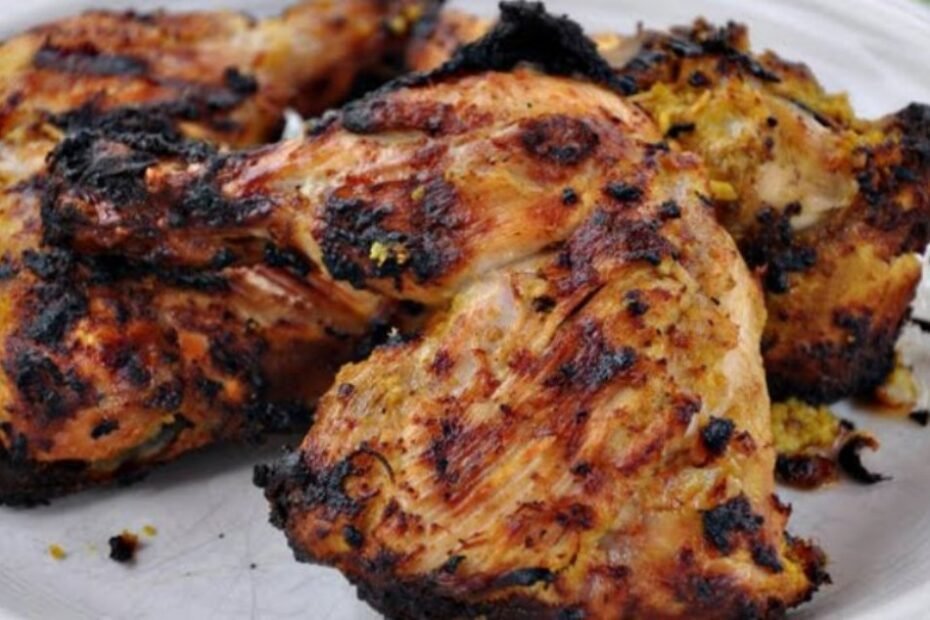
The smell of chicken slowly grilling over hot charcoal is one of the most loved food aromas in Thailand. Walk through a busy market, a roadside food stall area, or a village festival, and there is a good chance you will find someone cooking Gai Yang. The sound of the chicken sizzling over the fire, the smoke carrying the scent of herbs into the air, and the sight of golden-brown skin slowly crisping up are enough to make anyone hungry.
Gai Yang is one of Thailand’s most popular grilled chicken dishes. It is simple food, but simple food often becomes the most memorable. The chicken is marinated with fragrant ingredients such as lemongrass, coriander, garlic, and seasonings before being grilled until juicy and flavorful. It is usually served with sticky rice and a spicy chili dipping sauce that adds another layer of excitement to every bite.
Unlike some dishes that require long lists of ingredients and complicated techniques, Gai Yang focuses on good ingredients and careful cooking. The marinade slowly flavors the meat, while the grill creates a smoky taste that cannot easily be achieved in any other way.
For many Thai families, Gai Yang is more than just grilled chicken. It is picnic food, festival food, street food, and family food all at the same time. It brings people together around a table and encourages sharing.
What Is Gai Yang?
Gai Yang simply means grilled chicken in Thai.
The dish is especially popular in northeastern Thailand, where grilled meats and sticky rice are important parts of local food culture. Over time, Gai Yang became popular throughout the country and is now enjoyed everywhere from large cities to small villages.
The chicken is marinated in a mixture that often includes garlic, coriander roots, lemongrass, fish sauce, and other seasonings. After marinating, it is grilled slowly until the skin becomes golden and slightly crispy while the meat stays moist and tender.
The finished chicken is usually chopped into serving pieces and served with sticky rice and a spicy dipping sauce known as nam jim jaew.
The combination of smoky chicken, fragrant herbs, and spicy sauce creates a meal that is satisfying without being heavy.
Why People Love Gai Yang
One reason people love Gai Yang is its balance.
The chicken is savory and smoky.
The herbs provide freshness.
The dipping sauce adds heat and brightness.
The sticky rice makes the meal filling.
Nothing feels overwhelming. Every part of the meal supports the others.
Another reason for its popularity is versatility. Gai Yang can be served for lunch, dinner, picnics, celebrations, or casual family meals. It works equally well as street food or as the centerpiece of a larger feast.
Many people also appreciate that grilled chicken feels lighter than deep-fried foods while still delivering plenty of flavor.
The Story Behind the Dish
The roots of Gai Yang are strongly connected to the northeastern region of Thailand, often called Isan. This region is known for grilled meats, spicy salads, sticky rice, and bold flavors.
In villages throughout the area, grilling food over charcoal has long been a common cooking method. The smoky flavor produced by charcoal became an important part of local cuisine.
Over generations, families developed their own marinades and grilling techniques. Some recipes included more garlic. Others emphasized coriander or lemongrass. Every household created small differences while keeping the basic idea the same.
Today, many of those traditional methods are still used. Street vendors proudly prepare their own versions, often using family recipes passed down through generations.
The Importance of the Marinade
The secret to excellent Gai Yang begins long before the chicken touches the grill.
The marinade is what transforms ordinary chicken into something special.
Garlic provides depth.
Coriander adds freshness.
Lemongrass contributes a citrus-like fragrance.
Fish sauce brings savory richness.
As the chicken rests in the marinade, these flavors slowly move into the meat.
The longer the marinating time, the more flavorful the final result becomes.
This step requires patience, but it is worth every minute.
Ingredients
For the chicken:
- 1 whole chicken, cut in half, or 1.5 kilograms chicken pieces
- 3 stalks lemongrass, finely chopped
- 4 cloves garlic
- 2 coriander roots or a handful of coriander stems
- 2 tablespoons fish sauce
- 1 tablespoon soy sauce
- 1 teaspoon sugar
- 1 teaspoon ground white pepper
- 1 tablespoon vegetable oil
For the chili dipping sauce:
- 2 tablespoons fish sauce
- 2 tablespoons lime juice
- 1 tablespoon toasted rice powder
- 1 teaspoon chili flakes
- 1 teaspoon sugar
- 1 shallot, finely sliced
For serving:
- Sticky rice
- Fresh vegetables
Prep Time and Cook Time
Preparation Time: 20 minutes
Marinating Time: 4 to 8 hours
Cooking Time: 40 minutes
Total Time: Approximately 5 to 9 hours including marinating
Servings: 4 to 6
Step-by-Step Gai Yang Recipe
Prepare the Marinade
Place the garlic, coriander roots, and lemongrass into a mortar and pestle.
Pound them together until a rough paste forms.
Transfer the mixture to a bowl.
Add fish sauce, soy sauce, sugar, white pepper, and vegetable oil.
Mix thoroughly.
The marinade should smell fresh, fragrant, and savory.
Marinate the Chicken
Rub the marinade all over the chicken.
Make sure every part is coated evenly.
Place the chicken in a covered container or sealed bag.
Refrigerate for several hours.
This allows the flavors to penetrate the meat.
Prepare the Grill
Heat a charcoal grill or gas grill to medium heat.
If using charcoal, wait until the coals are glowing and covered with light ash.
The goal is steady heat rather than intense flames.
Grill the Chicken
Place the chicken on the grill skin-side down.
Cook slowly.
Turn occasionally to prevent burning.
The skin should gradually become golden brown.
The meat should remain juicy inside.
Continue grilling until the chicken is fully cooked.
Make the Dipping Sauce
While the chicken cooks, combine fish sauce, lime juice, toasted rice powder, chili flakes, sugar, and sliced shallots in a small bowl.
Mix thoroughly.
Taste and adjust if needed.
The sauce should be spicy, sour, slightly sweet, and savory.
Serve
Allow the chicken to rest briefly after grilling.
Cut it into serving pieces.
Serve alongside sticky rice, fresh vegetables, and the chili dipping sauce.
Why Charcoal Makes a Difference
Many experienced cooks believe charcoal produces the best Gai Yang.
The smoke adds depth and complexity that is difficult to achieve with other cooking methods.
As the fat drips onto the hot coals, aromatic smoke rises and surrounds the chicken.
This creates the distinctive flavor that people associate with traditional Thai grilled chicken.
While gas grills can also produce excellent results, charcoal remains the preferred choice for many street vendors and home cooks.
The Role of Lemongrass
Lemongrass is one of the most important ingredients in the marinade.
Its fresh aroma helps balance the richness of the chicken.
When grilled, the fragrance becomes even more noticeable.
The flavor is subtle rather than overpowering.
It works in the background, supporting the other ingredients while adding a unique character to the dish.
Without lemongrass, Gai Yang would lose part of its identity.
Why the Chili Dip Matters
The dipping sauce is not just an extra addition.
It completes the meal.
The grilled chicken provides smoky richness.
The sauce contributes acidity and heat.
The toasted rice powder adds nuttiness.
The lime juice brings freshness.
Together, they create a balance that keeps every bite exciting.
Many people alternate between bites of chicken and sticky rice while dipping pieces into the sauce.
This combination has been enjoyed throughout Thailand for generations.
Serving Gai Yang the Traditional Way
In Thailand, Gai Yang is often served as part of a larger meal.
Sticky rice is the most common companion.
Fresh cucumber, cabbage, green beans, and herbs are also popular additions.
The vegetables provide a refreshing contrast to the grilled meat.
Families often place everything in the center of the table so everyone can share.
This communal style of eating encourages conversation and connection.
Food becomes more than nourishment. It becomes a social experience.
Nutrition Information
Approximate values per serving:
| Nutrient | Amount |
|---|---|
| Calories | 380–450 |
| Protein | 35g |
| Carbohydrates | 5g |
| Fat | 22g |
| Fiber | 1g |
| Sodium | 850mg |
Values may vary depending on ingredients and serving sizes.
Chicken provides high-quality protein and important nutrients.
Grilling allows excess fat to drip away during cooking.
The fresh herbs and seasonings add flavor without requiring heavy sauces.
Tips for Home Cooks
Use chicken thighs or leg quarters if you prefer extra juicy meat.
Marinate the chicken for as long as possible for deeper flavor.
Avoid cooking over flames that are too hot.
Turn the chicken regularly for even cooking.
Use a meat thermometer if available to ensure proper doneness.
Allow the chicken to rest for several minutes before cutting.
Prepare the dipping sauce ahead of time so the flavors can blend.
Freshly made sticky rice pairs especially well with the chicken.
If you do not have coriander roots, coriander stems can provide a similar flavor.
A small amount of charcoal smoke can dramatically improve the final result.
Gai Yang remains one of Thailand’s most beloved grilled dishes because it proves that simple ingredients can create extraordinary flavor. The fragrant marinade, smoky grilled chicken, spicy dipping sauce, and sticky rice come together in perfect harmony. Every bite offers a taste of Thai food culture, where fresh ingredients, careful cooking, and shared meals have always been at the heart of the dining experience.