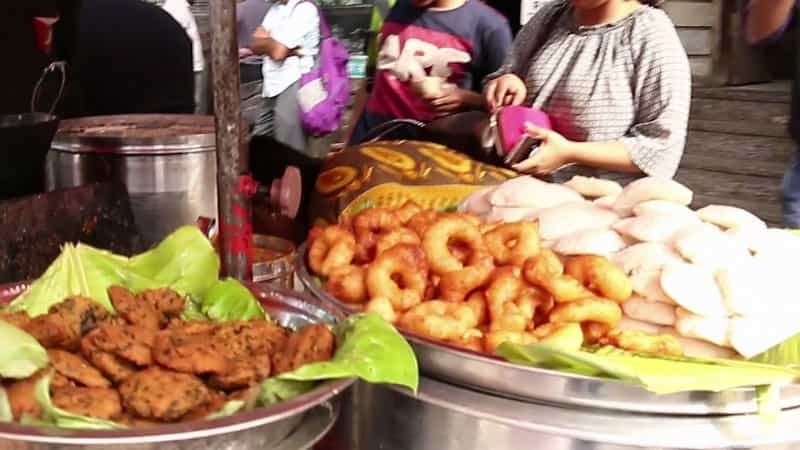
There is something magical about Bangalore after 6 PM.
The weather cools down just enough for people to step outside again. Office crowds spill onto the streets with backpacks hanging from tired shoulders. Autos move slowly through traffic while the smell of smoke, butter, fried chillies, and charcoal suddenly fills the air.
For me, this is the best time to explore street food.
As a food blogger living in Bangalore, I spend a ridiculous amount of time chasing good food recommendations. But no matter how many pretty cafés open across the city, I always return to street food stalls. Especially the ones serving spicy chaats and juicy kebabs.
Because honestly, nothing feels more alive than standing beside a busy food cart while someone quickly crushes puris with their hands, pours spicy green chutney over potatoes, squeezes fresh lime, and hands you a plate that burns your tongue in the best possible way.
Street food is messy. Loud. Unpredictable.
And somehow, that makes it perfect.
Some of my favorite evenings in Bangalore have started with “I’m just stepping out for one quick snack” and ended three hours later after eating pani puri, dahi papdi chaat, chicken seekh kebabs, and kulfi while sitting on plastic chairs under yellow street lights.
The best part is that every area in Bangalore has its own street food personality.
VV Puram feels old-school and comforting. Shivajinagar smells like charcoal and spices. Indiranagar mixes classic chaats with trendy experiments. Frazer Town becomes a paradise for kebab lovers after sunset.
And every single stall has a story.
The First Time I Fell in Love With Bangalore Street Food
I still remember one evening during my college days when my friend dragged me to a crowded chaat stall near Jayanagar.
At first, I was annoyed because the line looked endless. There were at least twenty people waiting, bikes parked everywhere, and one uncle aggressively asking for extra spicy pani puri.
But the moment I tasted the sev puri, I understood why everyone was standing there patiently.
It was crunchy, spicy, sweet, tangy, and cold all at once.
The vendor worked with unbelievable speed. His hands moved automatically — potatoes, onions, chutneys, sev, coriander, pomegranate, done in seconds.
That evening changed something for me.
I realised street food is not just about eating. It is about energy. Chaos. Community. Watching strangers happily stand together for food that costs less than a café coffee.
Ever since then, I have been obsessed.
Why Chaat Feels Perfect for Bangalore Evenings
Bangalore weather and chaat somehow belong together.
Even after hot afternoons, the evenings usually become breezy enough to enjoy spicy food without feeling exhausted. That is why chaat stalls stay crowded almost every night.
And honestly, Indian chaat might be one of the most addictive food categories ever created.
Every bite has multiple textures and flavors fighting for attention.
Sweet tamarind chutney.
Spicy green chutney.
Crunchy sev.
Soft potatoes.
Cold yogurt.
Sharp onions.
Tangy masalas.
Nothing is simple about chaat, and that is exactly why people love it.
One thing I have noticed while exploring Bangalore’s street food scene is how seriously vendors take balance. A good pani puri vendor knows exactly how much spice, mint, tamarind, and salt should go into the pani.
A few drops extra can completely change the taste.
That precision is what separates unforgettable street food from average snacks.
The Joy of Standing Around a Pani Puri Stall
There is a very specific happiness that exists around pani puri stalls.
Nobody eats pani puri calmly.
People laugh while eating it. They panic when the spicy water spills. They ask for “one sukha puri extra.” They pretend they can handle spice and then immediately cough after the third puri.
I love observing these tiny moments.
One evening near Indiranagar, I watched an entire group of corporate employees standing around a pani puri cart still wearing office IDs around their necks. Within minutes, they looked completely relaxed, joking about who could eat the spiciest puri.
Street food has this strange ability to make everyone feel equal.
Students, tech employees, families, delivery workers, influencers, auto drivers — everyone stands together near the same stall waiting for their turn.
And honestly, I think that is beautiful.
VV Puram — The Street Food Heartbeat of Bangalore
Whenever someone asks me where to begin their Bangalore street food journey, I immediately say VV Puram Food Street.
Because walking there feels like entering another world.
The moment you enter the lane, the smell hits you first — butter sizzling on dosas, deep-fried snacks, smoky kebabs, hot jalebis, and spicy chaats all mixing together.
Every few steps, someone calls out menu items loudly.
“Masala puri!”
“Gobi Manchurian!”
“Fresh pav bhaji!”
“Hot kebabs!”
It feels chaotic in the best possible way.
One of my favorite things to order there is masala puri on slightly rainy evenings. The warm gravy mixed with crunchy puris, chopped onions, coriander, and sev feels incredibly comforting.
I usually end up standing near the cart balancing the plate carefully while trying not to stain my clothes with chutney.
And somehow, street food always tastes better while standing.
Shivajinagar — Where Kebabs Truly Shine
If chaat represents the playful side of Bangalore street food, Shivajinagar represents intensity.
Especially when it comes to kebabs.
The first time I visited Shivajinagar specifically for kebabs, I remember feeling overwhelmed by the smoke rising from dozens of grills.
Men stood beside massive skewers rotating spicy marinated meat over open flames. The smell of charcoal, butter, pepper, and spices filled the entire street.
It was impossible not to feel hungry instantly.
What makes these kebabs special is the simplicity.
No fancy presentation.
No modern plating.
Just juicy meat, fresh onions, mint chutney, lemon, and sometimes a flaky paratha on the side.
And honestly, that is all you need.
The seekh kebabs there are usually soft, smoky, and heavily spiced without becoming overwhelming. Every stall has slightly different marinades, which makes exploring even more exciting.
Some are spicy and fiery.
Others are rich with black pepper and garlic.
Some taste smoky enough to remind you of old family barbecues.
One evening, while eating kebabs beside a tiny roadside stall, I remember watching light rain fall on the road while people continued eating without caring. The smoke from the grills mixed with the cool air, and for a moment the entire city felt cinematic.
Why Street Kebabs Feel So Different From Restaurant Kebabs
Restaurant kebabs are good.
But street kebabs feel alive.
Maybe it is because they are cooked right in front of you. Maybe it is the charcoal smoke. Maybe it is the speed at which they are served.
Street vendors focus entirely on flavor.
The kebabs are often slightly rough around the edges, unevenly charred, dripping with butter, and packed with spice.
That imperfection makes them unforgettable.
I have had expensive kebab platters in fancy restaurants that I completely forgot within days.
But I still remember a tiny roadside stall near Frazer Town where the owner served spicy chicken kebabs wrapped in roomali roti with onions and green chutney. I ate it standing beside parked bikes while traffic moved slowly nearby.
And somehow, it tasted perfect.
Chaats Are Becoming More Creative Now
One interesting thing happening in Bangalore right now is how street chaats are evolving.
Traditional chaats still dominate, but vendors are also experimenting more.
I recently tried cheese-loaded masala puri topped with crushed nachos.
Another stall served tandoori paneer pani puri.
Some places now add avocado, peri peri masala, Korean sauces, or mayonnaise-inspired dressings.
Not every experiment works, honestly.
But the creativity is fun to watch.
Young people especially seem excited about fusion chaats because they combine familiar Indian flavors with trendy ingredients.
Social media has also played a huge role in making these foods more popular. One viral food reel can suddenly create massive lines outside a small stall overnight.
Still, despite all the modern twists, the classic chaats remain unbeatable.
A perfectly balanced bhel puri still wins every time.
The People Behind the Stalls Matter the Most
One thing I deeply admire about street food culture is the hard work behind it.
Most vendors spend hours standing near heat, smoke, and traffic every single day.
Some prepare chutneys from early morning.
Others marinate meat for hours before evening crowds arrive.
And despite the exhaustion, many still smile warmly while serving customers.
There is one elderly chaat vendor near Basavanagudi who now recognises me whenever I visit. The moment he sees me, he laughs and says, “Extra spicy today also?”
And honestly, interactions like these make food experiences memorable.
Street food is personal.
The vendors remember regular customers.
Customers recommend stalls to friends like treasured secrets.
Over time, these food spots become emotional parts of the city.
Why Young Bangalore Loves Street Food So Much
I think street food fits perfectly into Bangalore’s personality.
This city is young, busy, energetic, and constantly changing.
People work long hours here. Traffic drains everyone mentally. Sometimes all you want after a difficult day is hot spicy food that feels comforting and affordable.
Street food gives exactly that.
It is quick, flavorful, social, and accessible.
You do not need reservations or expensive bills.
You simply walk up to a stall and start eating.
And somehow, those small moments become some of the happiest memories.
Some of my best conversations with friends have happened while sharing plates of sev puri on footpaths.
Some of my favorite solo evenings involved quietly eating kebabs while watching the city move around me.
Street food becomes part of everyday life in a way restaurant dining rarely does.
The Emotional Side of Spicy Food
I genuinely believe spicy food carries emotion.
Especially Indian street food.
The spice wakes you up. It forces you to slow down and react. It creates laughter, drama, excitement.
When pani puri water becomes too spicy, everyone notices immediately.
When kebabs arrive fresh from the grill, people gather automatically.
Food becomes interactive.
And maybe that is why these stalls stay unforgettable.
They are not just serving snacks.
They are creating experiences.
Ending the Night With Kulfi or Falooda
No proper street food evening feels complete without dessert.
After spicy chaats and smoky kebabs, something cold always feels necessary.
Most nights, I end up ordering kulfi, falooda, or a simple rose milk before heading home.
There is something comforting about sitting quietly after eating spicy food while holding a cold dessert in your hands.
The city slows down slightly.
Traffic becomes softer.
The food streets remain noisy, but your own mood feels calm.
And in those moments, Bangalore feels incredibly special.
Not because it has luxury restaurants or trendy cafés.
But because it has tiny food stalls filled with life, flavor, smoke, laughter, and stories.
And honestly, that is the version of the city I love the most.