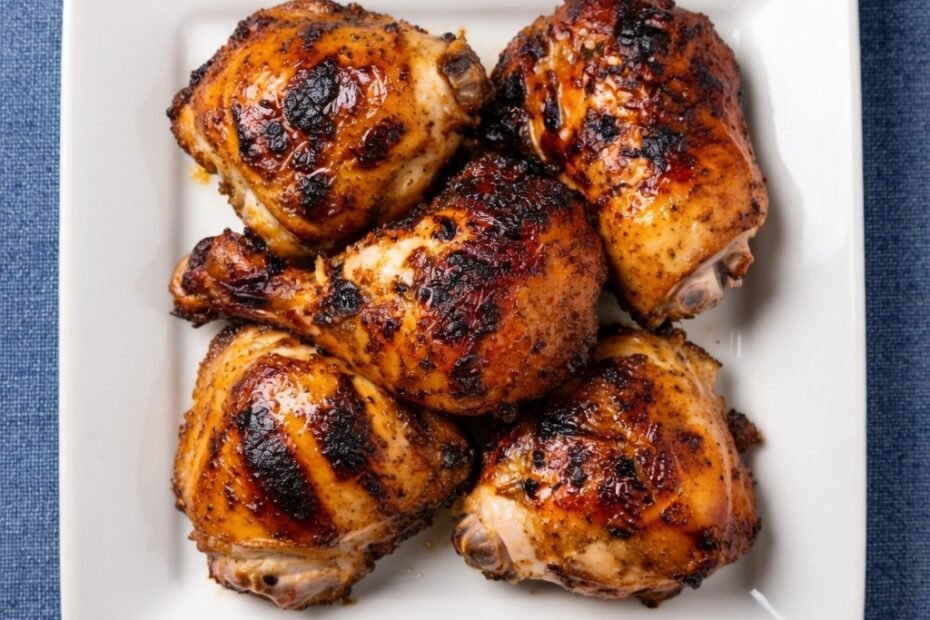
I still remember the first time I tried to plate jerk chicken like a French dish. I had just come back from culinary school, full of sauces, reductions, and perfect knife cuts. I thought I could “elevate” everything. But when I put that neatly sliced jerk chicken on a white plate with a fancy drizzle, my grandmother looked at me, shook her head, and said, “Bwoy… dat look nice, but where the soul gone?”
That moment stayed with me.
Because jerk chicken is not just food in Jamaica. It is memory, fire, patience, and a whole lot of attitude. And no matter how much French technique I learned, I had to come back home to understand what jerk really means.
The Heart of Jerk
Jerk cooking is bold. It does not whisper—it sings, sometimes it even shouts. The marinade is where everything begins. You take allspice, thyme, garlic, ginger, scallions, and the real star—Scotch bonnet peppers. Not just for heat, but for flavor. That fruity, almost sweet heat that creeps up on you and makes you say, “Lawd, this hot… but mi want more.”
In French cooking, balance is everything. In jerk, balance is there too—but it is wilder, more alive. You taste sweetness, heat, smoke, salt, and herbs all dancing together. Nothing is hiding.
As a trained chef, I learned to measure. But back home, we don’t always measure. We feel. A little more pepper if the day feels right. A bit more thyme if the chicken is big. That instinct—that is something no school teaches.
The Marinade: Where Magic Begins
When I make jerk chicken, I slow down. I take my time with the marinade because that is where the flavor builds its roots.
You blend or crush:
- Allspice (pimento)
- Scotch bonnet peppers
- Fresh thyme
- Garlic
- Ginger
- Green onions
- Soy sauce or salt
- Brown sugar
- Lime juice or vinegar
The smell alone will wake up your senses. Sharp, spicy, sweet, earthy—it hits you all at once. I always say, if the marinade doesn’t make your eyes widen a little, you’re not doing it right.
Then comes the chicken. You don’t just coat it—you massage it. Get the marinade under the skin, into every cut. Let it sit. Overnight is best. Minimum a few hours if you’re in a rush, but honestly, good jerk cannot be rushed.
Fire and Smoke: The Real Signature
Now here is where things get serious. True jerk chicken is not baked in an oven. It is smoked over pimento wood. That wood gives a deep, aromatic smoke that you cannot fake easily.
When the chicken hits that grill, you hear it sizzle, and the smoke rises slow and fragrant. This is where patience comes in. Low heat, steady turning. Let the smoke do its work. Let the outside char just a little—not burnt, but kissed by fire.
In French cuisine, we talk about precision. In jerk cooking, we talk about control of fire. Different language, same respect.
I remember standing by roadside jerk pans, watching older cooks work. No thermometer, no timer. Just instinct. One man told me, “Yuh haffi listen to di chicken.” And he was right. You listen to the sound, watch the juices, smell the smoke.
Rice and Peas: The Perfect Companion
Jerk chicken alone is powerful, but with rice and peas—it becomes complete.
Rice and peas is not just rice. It is cooked with coconut milk, thyme, garlic, and kidney beans. Soft, creamy, slightly sweet. It balances the heat of the jerk chicken beautifully.
When you take a bite—spicy chicken, smoky flavor, and then the gentle coconut rice—it feels like everything is in harmony.
Sometimes we add fried plantains on the side. Sweet, caramelized, soft. That little sweetness against the spice… trust me, it is something special.
A Chef Between Two Worlds
As someone trained in French cuisine, I see jerk chicken differently now. I respect its structure.
The marinade is like a complex sauce base. The smoking is like slow roasting with layered flavor. The final dish has contrast—texture, temperature, taste.
But I also learned not to overcomplicate it. Jerk chicken does not need to be “refined” to be respected. It already is.
Sometimes I still plate it nicely, maybe cleaner, maybe more composed. But I never take away its character. Because jerk chicken must feel alive. If it looks too perfect, something is missing.
Nutrition and Health
Jerk chicken can be both indulgent and nutritious, depending on how you prepare it.
Chicken itself is a great source of protein, helping in muscle repair and overall body strength. When you grill or smoke it instead of deep frying, you keep the fat levels lower.
The marinade ingredients also bring benefits:
- Garlic and ginger support digestion and immunity
- Thyme has antibacterial properties
- Scotch bonnet peppers contain capsaicin, which may boost metabolism
However, the heat level can be intense for some people, so it’s good to adjust the number of peppers if needed.
Rice and peas provide carbohydrates for energy, along with fiber and some plant-based protein from the beans. Coconut milk adds richness but also increases fat content, so moderation is key.
Overall, jerk chicken with rice and peas can be a balanced meal—protein, carbs, fats, and flavor all in one.
Preparation and Cooking Time
Here is a practical breakdown for home cooks:
- Preparation time: About 20–30 minutes for making the marinade and prepping the chicken
- Marination time: Ideally overnight, but at least 4–6 hours
- Cooking time: Around 40–60 minutes on a grill or in an oven
If you are using an oven, cook at a moderate temperature and finish with a high heat or grill setting to get that charred effect.
Tips for Home Cooks
If you are not in Jamaica, I know pimento wood is hard to find. But don’t worry—you can still get close.
Try adding a bit of smoked paprika or using a charcoal grill with wood chips. That smoky flavor is important.
Control the heat of the Scotch bonnet peppers. If you are new to it, start with less. You can always add more next time.
Don’t skip the marination time. This is not a last-minute dish. Give it time, and it will reward you.
Make small cuts in the chicken before marinating. This helps the flavor go deeper.
And most importantly—taste as you go. Adjust salt, spice, and sweetness to your liking. Cooking is personal.
My Thoughts
Jerk chicken taught me something no textbook ever could. It taught me that food is not just technique—it is identity.
Every time I make it, I feel connected. To my home, to my people, to the rhythm of the island. Even with my French training, when I stand by the grill and smell that smoke, I am just a Jamaican chef again, doing it the way it should be done.
So when you make jerk chicken, don’t stress too much about perfection. Let it be a little messy, a little bold. Let the flavors speak loud.
And when you take that first bite, if you find yourself saying, “Yeah man… this nice,” then you know you got it right.

- admin-food-prith
- admin-food-prith
- admin-food-prith
- admin-food-prith
- admin-food-prith
- admin-food-prith
- admin-food-prith
- admin-food-prith
- admin-food-prith
- admin-food-prith
- admin-food-prith
- admin-food-prith
- admin-food-prith
- admin-food-prith
- admin-food-prith
- admin-food-prith
- admin-food-prith
- admin-food-prith
- admin-food-prith
- admin-food-prith
- admin-food-prith
- admin-food-prith
- admin-food-prith
- admin-food-prith
- admin-food-prith
- admin-food-prith
- admin-food-prith
- admin-food-prith
- admin-food-prith
- admin-food-prith
- admin-food-prith
- admin-food-prith
- admin-food-prith
- admin-food-prith
- admin-food-prith
- admin-food-prith
- admin-food-prith
- admin-food-prith
- admin-food-prith
- admin-food-prith
- admin-food-prith
- admin-food-prith
- admin-food-prith
- admin-food-prith
- admin-food-prith
- admin-food-prith
- admin-food-prith
- admin-food-prith
- admin-food-prith
- admin-food-prith
- admin-food-prith
- admin-food-prith
- admin-food-prith
- admin-food-prith
- admin-food-prith
- admin-food-prith
- admin-food-prith
- admin-food-prith
- admin-food-prith
- admin-food-prith
- admin-food-prith
- admin-food-prith
- admin-food-prith
- admin-food-prith
- admin-food-prith
- admin-food-prith
- admin-food-prith
- admin-food-prith
- admin-food-prith
- admin-food-prith
- admin-food-prith
- admin-food-prith
- admin-food-prith
- admin-food-prith
- admin-food-prith
- admin-food-prith
- admin-food-prith
- admin-food-prith
- admin-food-prith
- admin-food-prith
- admin-food-prith
- admin-food-prith
- admin-food-prith
- admin-food-prith
- admin-food-prith
- admin-food-prith
- admin-food-prith
- admin-food-prith
- admin-food-prith
- admin-food-prith
- admin-food-prith
- admin-food-prith
- admin-food-prith
- admin-food-prith
- admin-food-prith
- admin-food-prith
- admin-food-prith
- admin-food-prith
- admin-food-prith
- admin-food-prith
- admin-food-prith
- admin-food-prith
- admin-food-prith
- admin-food-prith
- admin-food-prith
- admin-food-prith
- admin-food-prith
- admin-food-prith
- admin-food-prith
- admin-food-prith
- admin-food-prith
- admin-food-prith
- admin-food-prith
- admin-food-prith
- admin-food-prith
- admin-food-prith
- admin-food-prith
- admin-food-prith
- admin-food-prith
- admin-food-prith
- admin-food-prith
- admin-food-prith
- admin-food-prith
- admin-food-prith
- admin-food-prith
- admin-food-prith
- admin-food-prith
- admin-food-prith
- admin-food-prith
- admin-food-prith
- admin-food-prith
- admin-food-prith
- admin-food-prith
- admin-food-prith
- admin-food-prith
- admin-food-prith
- admin-food-prith
- admin-food-prith
- admin-food-prith
- admin-food-prith
- admin-food-prith
- admin-food-prith
- admin-food-prith
- admin-food-prith
- admin-food-prith
- admin-food-prith
- admin-food-prith
- admin-food-prith
- admin-food-prith
- admin-food-prith
- admin-food-prith
- admin-food-prith
- admin-food-prith
- admin-food-prith
- admin-food-prith
- admin-food-prith
- admin-food-prith
- admin-food-prith
- admin-food-prith
- admin-food-prith
- admin-food-prith
- admin-food-prith
- admin-food-prith
- admin-food-prith
- admin-food-prith
- admin-food-prith
- admin-food-prith
- admin-food-prith
- admin-food-prith
- admin-food-prith
- admin-food-prith
- admin-food-prith
- admin-food-prith
- admin-food-prith
- admin-food-prith
- admin-food-prith
- admin-food-prith
- admin-food-prith
- admin-food-prith
- admin-food-prith
- admin-food-prith
- admin-food-prith
- admin-food-prith
- admin-food-prith
- admin-food-prith
- admin-food-prith
- admin-food-prith
- admin-food-prith
- admin-food-prith
- admin-food-prith
- admin-food-prith
- admin-food-prith
- admin-food-prith
- admin-food-prith
- admin-food-prith
- admin-food-prith
- admin-food-prith
- admin-food-prith
- admin-food-prith
- admin-food-prith
- admin-food-prith
- admin-food-prith
- admin-food-prith
- admin-food-prith
- admin-food-prith
- admin-food-prith
- admin-food-prith
- admin-food-prith
- admin-food-prith
- admin-food-prith
- admin-food-prith
- admin-food-prith
- admin-food-prith
- admin-food-prith
- admin-food-prith
- admin-food-prith
- admin-food-prith
- admin-food-prith
- admin-food-prith
- admin-food-prith
- admin-food-prith
- admin-food-prith
- admin-food-prith
- admin-food-prith
- admin-food-prith
- admin-food-prith
- admin-food-prith
- admin-food-prith
- admin-food-prith
- admin-food-prith
- admin-food-prith
- admin-food-prith
- admin-food-prith
- admin-food-prith
- admin-food-prith
- admin-food-prith
- admin-food-prith
- admin-food-prith
- admin-food-prith
- admin-food-prith
- admin-food-prith
- admin-food-prith
- admin-food-prith
- admin-food-prith
- admin-food-prith
- admin-food-prith
- admin-food-prith
- admin-food-prith
- admin-food-prith
- admin-food-prith
- admin-food-prith
- admin-food-prith
- admin-food-prith
- admin-food-prith
- admin-food-prith
- admin-food-prith
- admin-food-prith
- admin-food-prith
- admin-food-prith
- admin-food-prith
- admin-food-prith
- admin-food-prith
- admin-food-prith
- admin-food-prith
- admin-food-prith
- admin-food-prith
- admin-food-prith
- admin-food-prith
- admin-food-prith
- admin-food-prith
- admin-food-prith
- admin-food-prith
- admin-food-prith
- admin-food-prith
- admin-food-prith
- admin-food-prith
- admin-food-prith
- admin-food-prith
- admin-food-prith
- admin-food-prith
- admin-food-prith
- admin-food-prith
- admin-food-prith
- admin-food-prith
- admin-food-prith
- admin-food-prith
- admin-food-prith
- admin-food-prith
- admin-food-prith
- admin-food-prith
- admin-food-prith
- admin-food-prith
- admin-food-prith
- admin-food-prith
- admin-food-prith
- admin-food-prith
- admin-food-prith
- admin-food-prith
- admin-food-prith
- admin-food-prith
- admin-food-prith
- admin-food-prith
- admin-food-prith
- admin-food-prith
- admin-food-prith
- admin-food-prith
- admin-food-prith
- admin-food-prith
- admin-food-prith
- admin-food-prith
- admin-food-prith
- admin-food-prith
- admin-food-prith
- admin-food-prith
- admin-food-prith
- admin-food-prith
- admin-food-prith
- admin-food-prith
- admin-food-prith
- admin-food-prith
- admin-food-prith
- admin-food-prith
- admin-food-prith
- admin-food-prith
- admin-food-prith
- admin-food-prith
- admin-food-prith
- admin-food-prith
- admin-food-prith
- admin-food-prith
- admin-food-prith
- admin-food-prith
- admin-food-prith
- admin-food-prith
- admin-food-prith
- admin-food-prith
- admin-food-prith
- admin-food-prith
- admin-food-prith
- admin-food-prith
- admin-food-prith
- admin-food-prith
- admin-food-prith
- admin-food-prith
- admin-food-prith
- admin-food-prith
- admin-food-prith
- admin-food-prith
- admin-food-prith
- admin-food-prith
- admin-food-prith
- admin-food-prith
- admin-food-prith
- admin-food-prith
- admin-food-prith
- admin-food-prith
- admin-food-prith
- admin-food-prith
- admin-food-prith
- admin-food-prith
- admin-food-prith
- admin-food-prith
- admin-food-prith
- admin-food-prith
- admin-food-prith
- admin-food-prith
- admin-food-prith
- admin-food-prith
- admin-food-prith
- admin-food-prith
- admin-food-prith
- admin-food-prith
- admin-food-prith
- admin-food-prith
- admin-food-prith
- admin-food-prith
- admin-food-prith
- admin-food-prith
- admin-food-prith
- admin-food-prith
- admin-food-prith
- admin-food-prith
- admin-food-prith
- admin-food-prith
- admin-food-prith
- admin-food-prith
- admin-food-prith
- admin-food-prith
- admin-food-prith
- admin-food-prith
- admin-food-prith
- admin-food-prith
- admin-food-prith
- admin-food-prith
- admin-food-prith
- admin-food-prith
- admin-food-prith
- admin-food-prith
- admin-food-prith
- admin-food-prith
- admin-food-prith
- admin-food-prith
- admin-food-prith
- admin-food-prith
- admin-food-prith
- admin-food-prith
- admin-food-prith
- admin-food-prith
- admin-food-prith
- admin-food-prith
- admin-food-prith
- admin-food-prith
- admin-food-prith
- admin-food-prith
- admin-food-prith
- admin-food-prith
- admin-food-prith
- admin-food-prith
- admin-food-prith
- admin-food-prith
- admin-food-prith
- admin-food-prith
- admin-food-prith
- admin-food-prith
- admin-food-prith
- admin-food-prith
- admin-food-prith
- admin-food-prith
- admin-food-prith
- admin-food-prith
- admin-food-prith
- admin-food-prith
- admin-food-prith
- admin-food-prith
- admin-food-prith
- admin-food-prith
- admin-food-prith
- admin-food-prith
- admin-food-prith
- admin-food-prith
- admin-food-prith
- admin-food-prith
- admin-food-prith
- admin-food-prith
- admin-food-prith
- admin-food-prith
- admin-food-prith
- admin-food-prith
- admin-food-prith
- admin-food-prith
- admin-food-prith
- admin-food-prith
- admin-food-prith
- admin-food-prith
- admin-food-prith
- admin-food-prith
- admin-food-prith
- admin-food-prith
- admin-food-prith
- admin-food-prith
- admin-food-prith
- admin-food-prith
- admin-food-prith
- admin-food-prith
- admin-food-prith
- admin-food-prith
- admin-food-prith
- admin-food-prith
- admin-food-prith
- admin-food-prith
- admin-food-prith
- admin-food-prith
- admin-food-prith
- admin-food-prith
- admin-food-prith
- admin-food-prith
- admin-food-prith
- admin-food-prith
- admin-food-prith
- admin-food-prith
- admin-food-prith
- admin-food-prith
- admin-food-prith
- admin-food-prith
- admin-food-prith
- admin-food-prith
- admin-food-prith
- admin-food-prith
- admin-food-prith
- admin-food-prith
- admin-food-prith
- admin-food-prith
- admin-food-prith
- admin-food-prith
- admin-food-prith
- admin-food-prith
- admin-food-prith
- admin-food-prith
- admin-food-prith
- admin-food-prith
- admin-food-prith
- admin-food-prith
- admin-food-prith
- admin-food-prith
- admin-food-prith
- admin-food-prith
- admin-food-prith
- admin-food-prith
- admin-food-prith
- admin-food-prith
- admin-food-prith
- admin-food-prith
- admin-food-prith
- admin-food-prith
- admin-food-prith
- admin-food-prith
- admin-food-prith
- admin-food-prith
- admin-food-prith
- admin-food-prith
- admin-food-prith
- admin-food-prith
- admin-food-prith
- admin-food-prith
- admin-food-prith
- admin-food-prith
- admin-food-prith
- admin-food-prith
- admin-food-prith
- admin-food-prith
- admin-food-prith
- admin-food-prith
- admin-food-prith
- admin-food-prith
- admin-food-prith
- admin-food-prith
- admin-food-prith
- admin-food-prith
- admin-food-prith
- admin-food-prith
- admin-food-prith
- admin-food-prith
- admin-food-prith
- admin-food-prith
- admin-food-prith
- admin-food-prith
- admin-food-prith
- admin-food-prith
- admin-food-prith
- admin-food-prith
- admin-food-prith
- admin-food-prith
- admin-food-prith
- admin-food-prith
- admin-food-prith
- admin-food-prith
- admin-food-prith
- admin-food-prith
- admin-food-prith
- admin-food-prith
- admin-food-prith
- admin-food-prith
- admin-food-prith
- admin-food-prith
- admin-food-prith
- admin-food-prith
- admin-food-prith
- admin-food-prith
- admin-food-prith
- admin-food-prith
- admin-food-prith
- admin-food-prith
- admin-food-prith
- admin-food-prith
- admin-food-prith