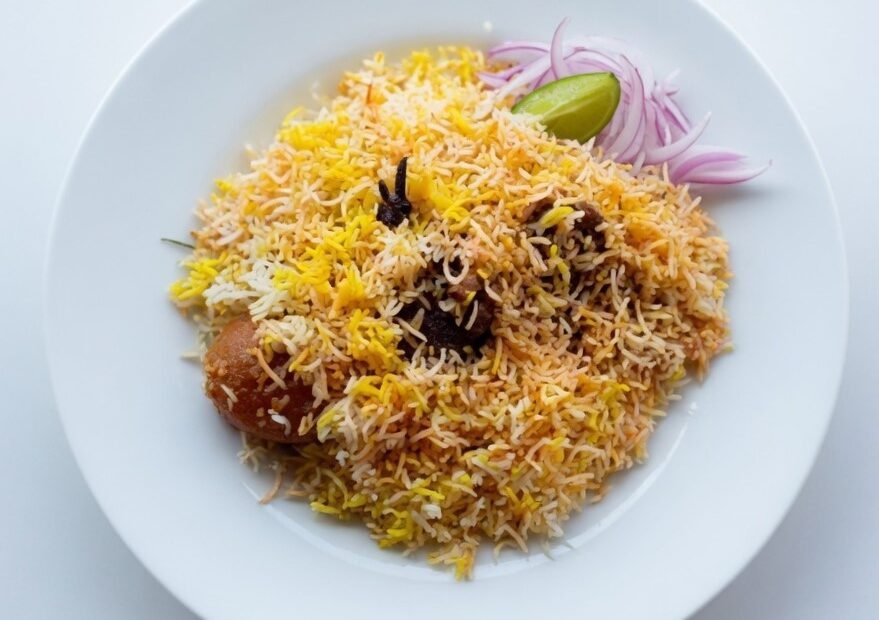
There was a time, beta, when the smell of biryani itself could stop a man in the middle of a crowded bazaar. I still remember my younger days travelling across North India with a notebook in my pocket and endless hunger in my heart. I was not searching for expensive restaurants or famous hotels. I was searching for stories hidden inside old kitchens.
And no dish carried more stories than biryani.
In every city, people proudly claimed their biryani was the original one. In Lucknow, the cooks spoke softly about elegance and fragrance. In Hyderabad, the ustads proudly talked about spice, fire, and dum cooking. In Kolkata, old families defended the famous potato as if it was royal treasure itself.
As a Punjabi food researcher who spent decades studying Indian food traditions, I slowly understood something important. Biryani is not simply a rice dish. It is the history of India cooked inside one handi.
It carries stories of kings and soldiers, nawabs and travelers, poverty and luxury, migration and memory.
Even today, after all these years, the smell of a slowly cooking biryani can still take me back to another time.
The Early Origins of Biryani
The roots of biryani go back many centuries before it became famous in India. Historians believe the earliest forms of biryani came from Persia and Central Asia. The Persian word “birinj” meant rice, while “biryan” referred to frying before cooking.
In those ancient lands, cooks prepared rice with meat, spices, and stock in large pots. Travelers, traders, and invading armies carried these cooking techniques across regions. Food has always travelled with people. Recipes do not stay locked inside borders.
But India already had a rich food culture before biryani arrived. Different parts of the country had their own rice and meat dishes. So when Persian and Mughal cooking traditions entered India, they mixed beautifully with local spices and ingredients.
That meeting created something magical.
Indian cooks added cardamom, cinnamon, cloves, black pepper, saffron, yogurt, and fragrant herbs. Slowly, over generations, biryani began developing its own Indian identity.
It was no longer only Persian.
It became something far greater.
How the Mughal Kitchens Changed Indian Cooking
The Mughal period played a huge role in shaping biryani into the dish we know today. The Mughal emperors loved luxurious food. Their royal kitchens were enormous, filled with expert cooks, spice grinders, bread makers, and dessert specialists.
Cooking inside those kitchens was treated almost like art.
Large copper handis bubbled over slow fires while cooks carefully watched every detail. Rice had to remain separate. Meat had to become tender. Spices had to balance perfectly.
The Mughal chefs introduced refinement and patience into cooking. One of the most important methods they perfected was dum cooking.
In dum cooking, the pot is sealed tightly and cooked slowly over low heat. Steam remains trapped inside, allowing rice, meat, and spices to blend gently together.
A proper biryani is never rushed.
That is the secret many modern cooks forget today.
In old times, biryani was cooked slowly because people respected food. They understood that flavor needs time.
The Story of Lucknow’s Royal Biryani
Among all the biryanis of India, Lucknow biryani remains one of the most graceful.
I first visited Lucknow many decades ago while researching Awadhi cuisine. The city itself felt elegant. Even ordinary conversations sounded poetic. The food reflected that same softness and sophistication.
Lucknow biryani grew under the Nawabs of Awadh. These rulers were famous for their love of fine food, poetry, music, and culture. Their kitchens employed some of the finest cooks in India.
Unlike spicy biryanis from other regions, Lucknow biryani focused on fragrance and balance.
An old cook once told me near Chowk market, “In Lucknow, biryani should whisper, not shout.”
I never forgot those words.
The meat was first cooked separately in rich stock called yakhni. The rice was partially cooked and then layered carefully with meat. Saffron milk, fried onions, kewra water, and mild spices added gentle aroma instead of overwhelming heat.
Everything about Lucknow biryani reflected nawabi culture. It was refined, controlled, and elegant.
Even the appearance mattered.
The rice remained light and fluffy with delicate golden patches from saffron. The meat became so soft that it nearly melted when touched.
Stories from old royal kitchens say that some cooks spent years simply learning how to fry onions perfectly. Mistakes were not tolerated easily inside the nawab’s kitchen.
For the rulers of Awadh, food was not only for eating. It was a symbol of culture and prestige.
Hyderabad and the Rise of Dum Biryani
If Lucknow biryani is poetry, Hyderabad biryani is passion.
The story of Hyderabadi biryani began under the Nizams of Hyderabad. Their kitchens mixed Mughal traditions with local Deccani flavors, creating one of the boldest biryanis in India.
I still remember walking through the old streets near Charminar years ago. The evening air smelled of charcoal smoke, saffron, meat, and spices. Huge biryani handis sat over slow fires while cooks sealed the lids carefully with dough.
Hyderabadi biryani became famous because of its powerful flavors and unique cooking style.
Traditional Hyderabadi kacchi biryani used raw marinated meat layered directly with partially cooked rice. The entire dish cooked together slowly on dum.
This method required tremendous skill.
If the fire became too hot, the rice burned.
If the heat remained too low, the meat stayed uncooked.
Old Hyderabad cooks judged heat using only experience. Some touched the side of the handi while others listened carefully to bubbling sounds inside the pot.
That level of mastery came only after years of practice.
The Nizams loved rich food, and their kitchens used saffron, dry fruits, yogurt, herbs, and aromatic spices generously. Over time, Hyderabad biryani moved beyond palaces and entered ordinary homes, weddings, street stalls, and restaurants.
That is how biryani slowly became food for everyone.
How Different Regions Created Their Own Biryani Styles
One reason biryani became India’s favorite rice dish is because it adapts beautifully to local culture.
Every region added its own ingredients and personality.
In Kerala, cooks used fragrant short-grain rice along with curry leaves and coconut influence.
In Tamil Nadu, Seeraga Samba rice created a completely different texture and aroma.
In Kashmir, dry fruits and mild flavors shaped the local style.
In Bombay, spicy and tangy flavors became popular.
In Sindhi homes, yogurt and green chilies created strong bold taste.
And then came Kolkata biryani, perhaps the most emotional biryani of all.
The Beautiful Story of Kolkata Biryani
The story of Kolkata biryani begins with Nawab Wajid Ali Shah, the last Nawab of Awadh.
When the British removed him from power in 1856, he was sent away to Kolkata. But a nawab never travels alone. He carries musicians, poets, artists, and cooks with him.
The royal cooks of Awadh came to Kolkata along with the nawab.
Life in exile was different. Money was limited compared to old royal days. Slowly, local ingredients entered the biryani. Potatoes, which had become popular in Bengal under British influence, were added into the dish.
Many outsiders laugh about potato in biryani.
But they do not understand Kolkata biryani.
A properly cooked potato absorbs meat juices, saffron, and spices beautifully. It becomes soft, rich, and deeply flavorful.
Kolkata biryani remained lighter and more aromatic than many other versions. The spices stayed gentle. Rose water and kewra added fragrance. Eggs often became part of the dish.
The result was a biryani full of nostalgia and elegance.
Even today, old Kolkata biryani shops carry the memory of fading nawabi culture.
Why Biryani Became India’s Favorite Rice Dish
Very few dishes unite India the way biryani does.
Rich families serve it during weddings and celebrations. Students order it during late-night study sessions. Office workers eat it during lunch breaks. Travelers search for famous biryani shops in every city.
Biryani crossed every barrier of class, language, and religion.
Part of its success comes from its flexibility. It can be royal or simple. Expensive or affordable. Mild or spicy. Vegetarian or meat-based.
But there is another reason.
Biryani creates emotion.
The smell of dum cooking filling an entire house. Family members waiting impatiently near the kitchen. The excitement of opening the sealed handi. The first spoonful of fragrant rice mixed with tender meat.
These experiences become memories.
That is why people defend their city’s biryani with such passion.
For some, Hyderabad biryani is supreme.
For others, Lucknow biryani represents perfection.
And for Bengalis, no biryani can ever defeat the magic of potato and egg.
Traditional Kolkata Mutton Biryani Recipe
Now let me share a traditional Kolkata-style mutton biryani recipe that I learned many years ago from an old ustad cook.
This biryani is fragrant, elegant, and rich without becoming overly spicy.
Ingredients
For the Mutton Marinade
- 1 kilogram mutton with bone
- 1 cup yogurt
- 2 tablespoons ginger paste
- 2 tablespoons garlic paste
- 1 teaspoon turmeric powder
- 1 teaspoon red chili powder
- Salt as needed
- 2 tablespoons mustard oil
For the Rice
- 700 grams basmati rice
- Water for boiling
- Salt as needed
Whole Spices
- 2 bay leaves
- 5 green cardamoms
- 2 black cardamoms
- 1 cinnamon stick
- 5 cloves
- 1 small piece mace
- 1 teaspoon shah jeera
Other Ingredients
- 4 large onions thinly sliced
- 2 large potatoes peeled and halved
- 4 boiled eggs
- Saffron soaked in warm milk
- 2 tablespoons ghee
- 1 teaspoon rose water
- 1 teaspoon kewra water
Step-by-Step Kolkata Mutton Biryani Recipe
Step 1: Marinate the Mutton
- Wash the mutton properly.
- Mix yogurt, ginger paste, garlic paste, turmeric, chili powder, salt, and mustard oil.
- Coat the mutton well with the marinade.
- Let it rest for at least 4 hours or overnight for better flavor.
Step 2: Fry the Onions
- Heat oil in a pan.
- Fry the sliced onions slowly on medium heat.
- Cook until golden brown and crispy.
- Remove and keep aside carefully.
Step 3: Prepare the Potatoes and Eggs
- Fry the potatoes lightly until golden from outside.
- Boil the eggs and peel them.
- Keep both ready for layering later.
Step 4: Cook the Rice
- Wash and soak the rice for 30 minutes.
- Boil water with salt and whole spices.
- Add the rice and cook until about 70 percent done.
- Drain the rice immediately.
Step 5: Cook the Mutton
- Heat a heavy-bottomed pot.
- Add the marinated mutton.
- Add some fried onions.
- Cook slowly until the meat becomes nearly tender.
- Keep some gravy moisture inside the pot.
Step 6: Layer the Biryani
- Spread a layer of rice over the cooked mutton.
- Add potatoes and boiled eggs.
- Sprinkle fried onions on top.
- Add saffron milk, rose water, kewra water, and ghee.
- Repeat the layers until everything is used.
Step 7: Dum Cooking
- Seal the pot tightly with dough or a heavy lid.
- Place the pot on very low heat.
- Traditionally, a tawa is placed below the pot to prevent burning.
- Cook on dum for around 40 minutes.
Step 8: Serve the Biryani
- Open the lid carefully after dum cooking.
- Gently mix the layers without breaking the rice.
- Serve hot with raita or salan.
The Emotional Power of Biryani
Today biryani is sold everywhere, from luxury restaurants to roadside stalls. Delivery bikes carry biryani through crowded city roads late into the night. Food apps compete over discounts and offers.
But the heart of biryani remains unchanged.
A good biryani still demands patience.
It still fills homes with aroma.
It still brings people together around one large pot.
After spending most of my life studying Indian food traditions, I have understood one simple truth. Biryani became India’s favorite rice dish because it carries the soul of India itself.
Inside one handi, you will find migration, royalty, poverty, celebration, adaptation, memory, and love.
Every grain of rice carries history.
Every spice tells a story.
And every slow-cooked biryani reminds us that the greatest dishes in the world are never created in haste.