In most Indian homes, turmeric is not just a spice.
It is an emotion.
It sits quietly inside a steel dabba in the kitchen, bright yellow and powerful, used almost every single day without much attention. We add it automatically while making dal, sabzi, curry, khichdi, or even simple potato fry. Mothers mix it in warm milk when someone catches a cold. Grandmothers apply it on cuts and bruises. During weddings, haldi ceremonies become full celebrations with laughter, music, and yellow-stained hands.
Growing up, I never really questioned turmeric. It was simply always there.
Only later did I realise that this humble kitchen ingredient is one of the most studied spices in the world. Scientists, doctors, nutritionists, skincare experts, and chefs across different countries have spent years researching turmeric and its health properties.
And honestly, it makes sense.
Very few ingredients are so deeply connected to food, medicine, beauty, culture, and tradition all at once.
Today, turmeric has become globally famous. You will find turmeric lattes in cafés in London, turmeric supplements in American health stores, turmeric face masks online, and turmeric teas in supermarkets across Europe.
But for Indians, turmeric was never a trend.
It was already part of everyday life.
What Exactly Is Turmeric?
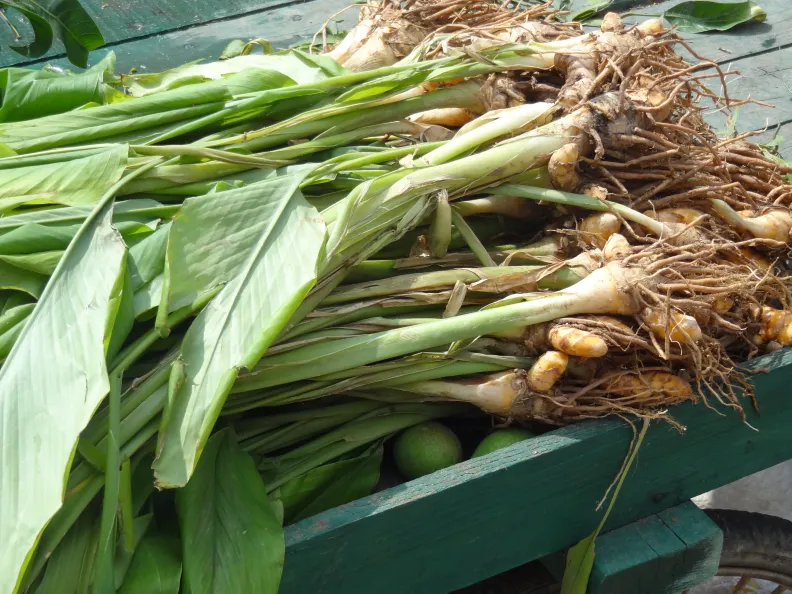
Turmeric comes from the root of a plant called Curcuma longa, which belongs to the ginger family.
When fresh turmeric is pulled from the soil, it looks somewhat similar to ginger but has a deep orange-yellow color inside. The roots are boiled, dried, and then ground into the bright yellow powder we use in cooking.
India is the largest producer and consumer of turmeric in the world. States like Telangana, Andhra Pradesh, Tamil Nadu, Karnataka, Maharashtra, and Odisha produce large quantities every year.
In Indian cooking, turmeric is usually called haldi.
And honestly, it may be one of the most important spices in Indian cuisine because it forms the base flavor and color for countless dishes.
Without turmeric, many Indian foods would not look or taste the same.
The Flavor of Turmeric
Many people who are new to Indian cooking think turmeric is mainly added for color.
But turmeric actually has a very distinct flavor.
It tastes earthy, warm, slightly bitter, peppery, and mildly musky. Fresh turmeric has a sharper and more vibrant taste compared to dried turmeric powder.
When used correctly, turmeric adds depth and warmth to food without overpowering other ingredients.
But too much turmeric can make food taste bitter and unpleasant.
That is why Indian cooking usually uses turmeric carefully — often just half a teaspoon or less in an entire dish.
One thing I love about turmeric is how beautifully it works with other spices.
It blends naturally with cumin, coriander, ginger, garlic, chilli powder, mustard seeds, curry leaves, and black pepper. Together, these spices create the comforting flavor profile that many of us associate with home-cooked Indian food.
Why Turmeric Is So Important in Indian Cooking
If you enter almost any Indian kitchen during lunch preparation, you will probably smell turmeric frying gently in hot oil within minutes.
That smell instantly feels comforting.
Turmeric is used in dals, curries, rasam, sambhar, sabzis, pickles, rice dishes, marinades, soups, and snacks. Even street foods sometimes use turmeric in chutneys or potato fillings.
One reason turmeric became so important historically is because it works as a natural preservative and antimicrobial ingredient.
Before refrigeration existed, spices played a huge role in helping food stay safer for longer periods.
Turmeric also gives food a rich golden color that makes dishes look warm and appetizing. Think about plain boiled potatoes versus potatoes cooked with turmeric, mustard seeds, and curry leaves. The turmeric completely transforms the dish visually.
Even simple khichdi becomes comforting partly because of turmeric’s color and aroma.
Turmeric Milk — The Traditional Indian Comfort Drink
Long before “golden latte” became popular internationally, Indian families were already drinking haldi doodh.
Turmeric milk is one of the oldest home remedies in Indian households.
Whenever someone had a sore throat, cough, fever, body pain, or injury, warm turmeric milk would appear almost immediately.
Usually, it is made by mixing turmeric powder into hot milk along with black pepper, ginger, cardamom, or a little ghee.
As children, many of us resisted drinking it.
But somehow, we still remember it fondly.
Today, modern science is beginning to explore why turmeric milk became such a trusted traditional remedy in the first place.
The Science Behind Turmeric
The most important active compound in turmeric is called curcumin.
Curcumin is what gives turmeric many of its anti-inflammatory and antioxidant properties.
Scientists have been studying curcumin for decades because inflammation is linked to many chronic diseases including arthritis, diabetes, heart disease, and certain neurological conditions.
Research published in journals like the Journal of Medicinal Food and Advances in Experimental Medicine and Biology suggests that curcumin may help reduce inflammation markers in the body. Some studies also indicate that it has antioxidant effects, meaning it may help protect cells from damage caused by free radicals.
There is also growing research on turmeric’s possible role in supporting joint health, digestion, metabolic health, and immune function.
However, scientists also point out something important.
Curcumin alone is not easily absorbed by the body.
This is where traditional Indian cooking becomes very interesting.
For centuries, Indian recipes have combined turmeric with black pepper and fats like oil or ghee. Black pepper contains a compound called piperine, which may significantly improve curcumin absorption.
In fact, scientific studies have shown that piperine can increase curcumin bioavailability substantially.
So our traditional cooking methods were scientifically smart even before laboratories confirmed them.
Turmeric and Inflammation
One of the biggest reasons turmeric became globally famous is because of its anti-inflammatory reputation.
Inflammation is the body’s natural response to injury or infection. But chronic inflammation over long periods may contribute to various health problems.
Several studies suggest that curcumin may help reduce certain inflammatory pathways in the body.
For example, research has explored turmeric’s role in conditions like osteoarthritis, where people experience joint pain and stiffness.
Some clinical trials have shown mild to moderate improvements in joint discomfort among certain participants using curcumin supplements.
However, experts also say turmeric is not a miracle cure.
It should not replace proper medical treatment.
Instead, turmeric can be viewed as one small supportive part of a healthy lifestyle that includes balanced eating, exercise, sleep, and medical care when needed.
Turmeric for Digestion
In Indian homes, turmeric has long been associated with digestion.
Many traditional recipes include turmeric because it is believed to support gut health and reduce bloating after heavy meals.
Some preliminary research suggests turmeric may influence digestion positively by supporting bile production and reducing certain inflammatory responses in the digestive tract.
This may partly explain why turmeric is so commonly used in lentil dishes, curries, and rich foods.
Personally, I always notice that simple homemade meals with turmeric feel lighter and more comforting compared to overly processed food.
A bowl of dal rice with turmeric, cumin, and ghee somehow feels healing after stressful days.
Turmeric in Skincare and Beauty
Turmeric has also been deeply connected to Indian skincare traditions for centuries.
Haldi face packs are common before weddings and festivals because turmeric is traditionally believed to brighten skin and improve complexion.
Even today, many homemade skincare remedies include turmeric mixed with yogurt, gram flour, sandalwood powder, or honey.
Some research suggests turmeric may have antimicrobial and anti-inflammatory effects on the skin, though more studies are still ongoing.
However, turmeric should always be used carefully on skin because too much can temporarily stain the face yellow or irritate sensitive skin.
Still, turmeric remains one of the most trusted natural beauty ingredients in Indian households.
Fresh Turmeric vs Turmeric Powder
Fresh turmeric and dried turmeric powder both have their own uses.
Fresh turmeric root tastes more vibrant, slightly citrusy, and sharper. It works beautifully in pickles, teas, smoothies, juices, and fresh curries.
Turmeric powder is more convenient for daily cooking and has a deeper earthy flavor.
In many Indian homes, turmeric powder is used daily while fresh turmeric appears seasonally.
One thing to remember is that turmeric stains very easily.
Cutting fresh turmeric can leave yellow marks on hands, clothes, kitchen counters, and even mixer jars.
Honestly, every Indian kitchen probably has at least one turmeric stain somewhere.
Cooking Tips for Using Turmeric Properly
One mistake beginners make is adding too much turmeric.
Turmeric should support food, not dominate it.
Usually, a small quantity is enough for most dishes.
Another important tip is to cook turmeric briefly in oil or ghee at the beginning of cooking. This helps remove its raw taste and improves flavor.
But turmeric should not be burned because burnt turmeric becomes bitter very quickly.
Combining turmeric with black pepper is also a smart idea because of the piperine-curcumin relationship discussed in scientific studies.
Adding healthy fats like coconut milk, groundnuts, sesame oil, mustard oil, or ghee can also improve both taste and absorption.
Turmeric works especially well in:
- Dal and lentil dishes
- Potato fry
- Khichdi
- Curries
- Rice dishes
- Soups
- Marinades
- Herbal teas
- Smoothies
- Pickles
Recently, many people are also experimenting with turmeric in modern recipes like salad dressings, hummus, roasted vegetables, and immunity shots.
The Global Turmeric Trend
It is honestly fascinating watching the world discover turmeric.
Today, cafés serve turmeric lattes at premium prices while Indian families quietly smile because they have been drinking haldi milk forever.
Health influencers promote turmeric shots online while Indian grandmothers casually add haldi to everyday dal without making a big announcement.
This global popularity has helped increase scientific research and awareness about turmeric’s potential benefits. But it has also created exaggerated claims sometimes.
Turmeric is healthy, yes.
But it is not magic.
Eating turmeric occasionally while living an unhealthy lifestyle will not suddenly solve major health problems.
Traditional Indian food wisdom always focused on balance, not extremes.
That balance matters.
Small Everyday Rituals Matter
One thing I love most about turmeric is how deeply ordinary it feels.
It is not expensive.
Not rare.
Not complicated.
It simply becomes part of daily life quietly.
A pinch in vegetables.
A little in rice.
A spoon in milk.
A homemade face pack before festivals.
And maybe that is the real beauty of turmeric.
Its power does not come from dramatic trends or expensive packaging.
It comes from consistency across generations.
From mothers cooking dinner after long workdays.
From grandmothers preparing home remedies during monsoon season.
From family recipes passed down without measurements written anywhere.
Turmeric carries memory inside it.
The smell of hot oil and mustard seeds cracking in the kitchen.
The comfort of warm khichdi during illness.
The bright yellow fingers after helping prepare pickles.
The laughter during haldi ceremonies at weddings.
For many Indians, turmeric is not just an ingredient.
It is part of home itself.