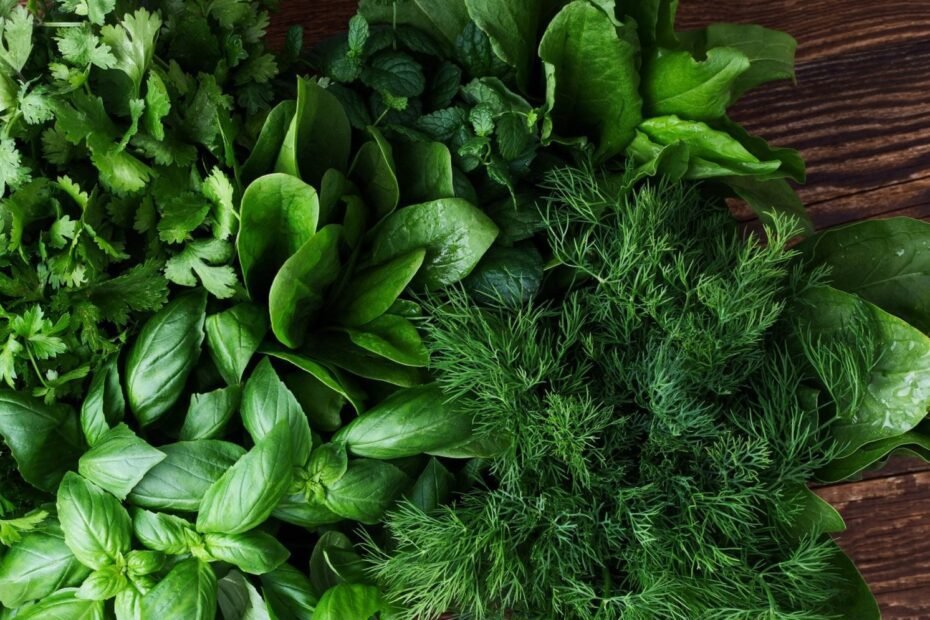
There is a very specific kind of disappointment that happens when you open your refrigerator planning to cook something healthy, only to discover a bunch of coriander turned slimy, spinach leaves completely wilted, or fresh basil blackened overnight.
Almost everyone who cooks regularly has experienced this.
You buy beautiful fresh vegetables with good intentions. Maybe you visit a farmer’s market on a sunny weekend or order groceries online imagining colorful salads, soups, stir-fries, and homemade meals for the week ahead.
But then life becomes busy.
Work meetings happen. Plans change. Takeout arrives unexpectedly. And slowly, the fresh produce sitting quietly inside the refrigerator begins to lose its freshness.
A few days later, guilt arrives with the smell of spoiled vegetables.
For years, I thought this was simply unavoidable. Fresh herbs seemed delicate and unpredictable. Leafy greens looked fresh one evening and tired the next morning. Sometimes parsley survived for a week while mint collapsed within two days for no clear reason.
Eventually, I realised that storing vegetables properly is almost like understanding personalities.
Some vegetables love cold temperatures. Some hate moisture. Some need airflow. Others prefer darkness. Certain fruits release gases that quietly damage nearby produce. And surprisingly, tiny storage habits can completely change how long food stays fresh.
Once I began learning these small details, my kitchen changed dramatically.
Food waste reduced. Cooking became easier. Grocery shopping felt less stressful. And fresh ingredients actually stayed usable long enough for real life.
The good news is that keeping herbs and vegetables fresh longer does not require expensive gadgets or professional kitchens. Most of the best methods are simple, affordable, and supported by food science.
Why Vegetables and Herbs Spoil So Quickly
To understand storage properly, it helps to understand one important thing:
Fresh produce is still alive even after harvest.
Vegetables and herbs continue breathing, losing moisture, and reacting to temperature changes after they are picked. This process is called respiration.
According to postharvest food science research, vegetables naturally lose water over time through evaporation. This causes wilting, shriveling, and texture changes. At the same time, exposure to oxygen, light, bacteria, and ethylene gas speeds up spoilage.
Ethylene is a natural plant hormone released by certain fruits and vegetables as they ripen. Apples, bananas, avocados, tomatoes, and peaches produce large amounts of ethylene. Sensitive vegetables stored nearby may spoil faster because of it.
This is why bananas can unexpectedly destroy nearby herbs or leafy greens if stored together for too long.
Temperature also matters enormously.
Studies in food preservation science show that cooler temperatures slow down respiration and microbial growth, helping produce remain fresh longer. However, some vegetables are damaged by extreme cold and develop strange textures or flavors inside refrigerators.
So proper storage is really about balance:
- Controlling moisture
- Managing airflow
- Reducing bacterial growth
- Slowing respiration
- Preventing dehydration
- Keeping ethylene-sensitive foods separate
Once you understand these basics, everything becomes easier.
The Biggest Mistake People Make With Fresh Herbs
The most common mistake is treating all herbs the same way.
In reality, herbs behave very differently depending on their structure.
Soft herbs like coriander, parsley, mint, dill, basil, and cilantro lose moisture quickly. Woody herbs like rosemary, thyme, sage, and oregano are much sturdier.
Years ago, I used to throw every herb directly into the refrigerator inside grocery bags. Within days they became wet, slimy, and unusable.
Then I discovered the “flower bouquet method,” and honestly, it changed everything.
The Best Way to Store Soft Herbs
Soft herbs stay fresh much longer when stored like flowers.
Trim the ends slightly, place the stems inside a jar or glass with a small amount of water, and loosely cover the top with a plastic bag. Then refrigerate most herbs except basil.
This method works beautifully for:
- Coriander (cilantro)
- Parsley
- Mint
- Dill
The water keeps stems hydrated while the loose covering helps maintain humidity without trapping too much moisture.
Food storage experts explain that herbs wilt primarily because of water loss. Keeping stems hydrated slows dehydration dramatically.
Changing the water every few days helps prevent bacterial growth.
Using this method, coriander that usually dies in three days can sometimes survive for over a week.
Why Basil Should Never Be Stored Like Other Herbs
Basil is sensitive to cold temperatures.
Refrigeration can blacken basil leaves very quickly because basil originates from warmer climates and experiences cold damage easily.
The best way to store basil is actually at room temperature, upright in water like a bouquet.
Keep it away from direct sunlight but not inside the refrigerator.
Covering it loosely with a plastic bag can also help maintain humidity.
Once I stopped refrigerating basil, it began lasting much longer and tasted far fresher in pasta, salads, and sandwiches.
How to Store Leafy Greens Properly
Leafy greens are probably the most frustrating vegetables to store.
Spinach, lettuce, kale, rocket, bok choy, and mixed salad greens can become soggy or limp surprisingly fast.
The key problem is moisture imbalance.
Too little moisture causes wilting.
Too much moisture encourages bacterial growth and sliminess.
Research in food preservation consistently shows that moderate humidity with controlled airflow works best for leafy vegetables.
The easiest method is:
- Wash greens only if necessary.
- Dry them thoroughly using towels or a salad spinner.
- Wrap them loosely in paper towels.
- Store them inside breathable containers or partially open bags.
The paper towels absorb excess moisture while still preventing dehydration.
This small step makes a huge difference.
I started doing this with spinach and suddenly it stayed fresh nearly twice as long.
Another useful habit is placing heavier vegetables away from delicate greens. Nothing destroys lettuce faster than a cucumber crushing it accidentally.
The Secret to Keeping Carrots and Celery Crisp
Carrots and celery lose freshness mainly because they lose water.
One surprisingly effective method is storing them submerged in water inside containers in the refrigerator.
This keeps them crisp for much longer.
Many chefs use this technique because it helps vegetables stay hydrated and crunchy.
Changing the water every few days is important to avoid bacterial buildup.
Another method is wrapping carrots in slightly damp towels before refrigeration.
Both approaches reduce moisture loss significantly.
Potatoes, Onions, and Garlic Should Not Be Refrigerated
Many people refrigerate everything automatically, but certain vegetables actually prefer cool, dark, dry environments outside the fridge.
Potatoes become grainy and slightly sweet in cold temperatures because refrigeration converts starch into sugar.
Onions absorb moisture in refrigerators and may become soft or moldy.
Garlic also prefers dry airflow rather than cold humidity.
The best storage method for these vegetables is:
- Cool room temperature
- Darkness
- Good airflow
- Dry surroundings
A basket, pantry shelf, or paper bag works much better than sealed plastic containers.
One important detail: onions and potatoes should not be stored together because onions release gases and moisture that may accelerate potato spoilage.
Tomatoes Taste Better Outside the Fridge
Refrigerating tomatoes changes both texture and flavor.
Cold temperatures damage the delicate cell structure inside tomatoes, making them mealy and less juicy.
Studies on postharvest tomato storage have shown that refrigeration reduces flavor compounds responsible for tomato aroma and sweetness.
The best approach is keeping tomatoes at room temperature until fully ripe.
Only refrigerate them if they become extremely ripe and you need extra time before using them.
Even then, allowing refrigerated tomatoes to return to room temperature before eating improves flavor significantly.
Mushrooms Need Airflow, Not Plastic
Mushrooms are highly sensitive to trapped moisture.
Keeping them inside sealed plastic packaging often causes sliminess very quickly.
Paper bags work far better because they absorb excess moisture while allowing airflow.
Many food experts recommend storing mushrooms in paper rather than airtight containers.
Whenever I transfer mushrooms from plastic grocery packaging into paper bags, they stay firm and usable much longer.
The Importance of Dryness
One lesson I learned repeatedly is this:
Moisture is both helpful and dangerous.
Vegetables need hydration, but excess surface water encourages bacterial and fungal growth.
That is why drying produce properly matters so much.
If you wash vegetables immediately after shopping, make sure they are fully dry before refrigeration unless they specifically benefit from moisture storage.
A simple kitchen towel or salad spinner can dramatically increase freshness.
Freezing Fresh Herbs for Long-Term Storage
Sometimes herbs simply cannot be used quickly enough.
Freezing becomes incredibly useful here.
One of my favorite methods is chopping herbs and freezing them inside olive oil using ice cube trays.
These cubes work beautifully for soups, curries, sauces, pasta, and stir-fries.
Parsley, coriander, basil, dill, and chives freeze especially well this way.
Freezing slows microbial activity almost completely, according to food preservation science.
Although texture changes after thawing, flavor usually remains very good for cooking purposes.
Ethylene Gas — The Invisible Problem
One of the most fascinating things about produce storage is ethylene gas.
Certain fruits naturally release ethylene during ripening. Nearby vegetables sensitive to ethylene age faster because of it.
Ethylene producers include:
- Bananas
- Apples
- Avocados
- Tomatoes
- Pears
- Peaches
Ethylene-sensitive foods include:
- Leafy greens
- Herbs
- Broccoli
- Cucumbers
- Carrots
Keeping these groups separate can noticeably extend freshness.
This explains why herbs stored near bananas often wilt unusually fast.
Why Proper Storage Matters Beyond Saving Money
Reducing food waste is not only about saving grocery money.
Globally, enormous amounts of fresh produce are wasted every year due to spoilage.
According to food sustainability research from organizations like the Food and Agriculture Organization (FAO), reducing household food waste can help conserve water, energy, labor, and agricultural resources.
Fresh vegetables require land, transportation, refrigeration, packaging, and labor to reach kitchens.
Wasting them means wasting all those resources too.
Good storage habits are small but meaningful ways to reduce unnecessary waste.
Building a Better Relationship With Fresh Food
One unexpected thing happened after I learned better storage methods.
I began cooking more often.
Fresh ingredients no longer felt stressful because I trusted they would survive the week. Herbs stopped feeling “too delicate to buy.” Salads became easier. Grocery shopping became calmer.
And honestly, opening the refrigerator to see vibrant herbs and crisp vegetables instead of wilted disappointment genuinely improves everyday mood.
Cooking begins to feel inviting instead of pressured.
There is also something deeply comforting about caring for fresh food properly.
Trimming herb stems.
Wrapping greens gently.
Organizing vegetables thoughtfully.
These are tiny kitchen rituals, but they make daily life feel slower and more intentional somehow.
Simple Habits Create Big Changes
At the end of the day, keeping herbs and vegetables fresh longer is mostly about understanding what each ingredient needs.
A little airflow.
Balanced moisture.
Cool temperatures for some.
Warmth for others.
Protection from ethylene gas.
Gentle handling.
None of these habits are complicated, yet together they can transform how a kitchen functions.
Fresh food lasts longer.
Meals become easier.
Waste reduces naturally.
And perhaps most importantly, cooking starts feeling joyful again instead of rushed or wasteful.
Because there is something deeply satisfying about reaching into the refrigerator days later and still finding fresh coriander ready for curry, crisp lettuce for salad, or bright mint leaves waiting for tea.
Small kitchen victories matter more than people realise.