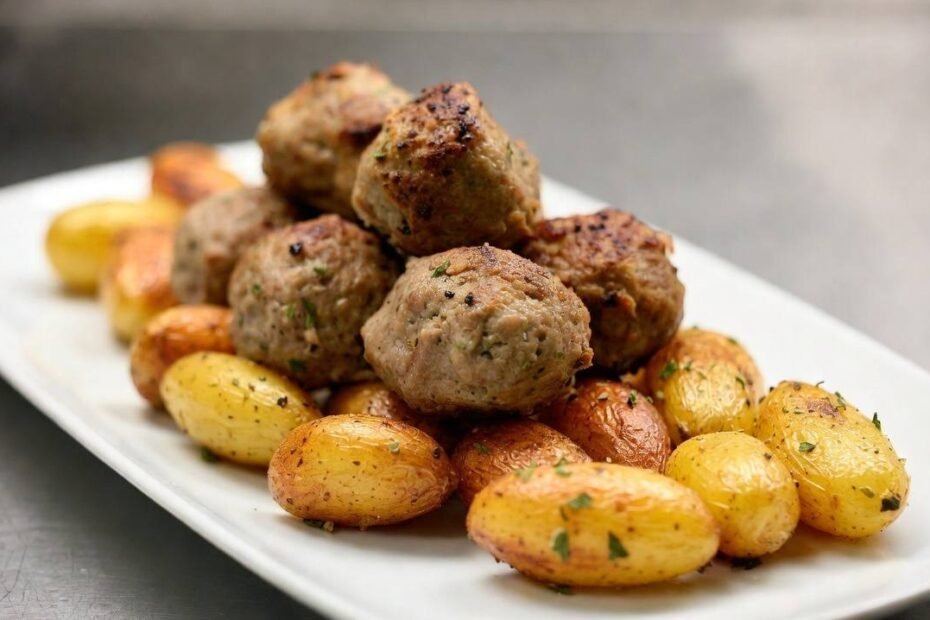
When people think about Danish food, they often imagine beautiful pastries, open-faced sandwiches, and seafood from the cold northern waters. Yet one of the most loved dishes in Denmark is much simpler. It is called Frikadeller, a traditional pan-fried meatball made from pork or a mixture of pork and veal. Served with boiled potatoes and rich gravy, it is a meal that brings comfort, warmth, and a sense of home.
Frikadeller can be found almost everywhere in Denmark. Families make them for everyday dinners, cafés serve them as hearty meals, and many people grow up eating them from childhood. They are not fancy or complicated. Their charm comes from simple ingredients cooked with care.
The first thing you notice about Frikadeller is their shape. Unlike the perfectly round meatballs found in many countries, Danish Frikadeller are often slightly oval and flattened. They develop a beautiful golden-brown crust when fried, while staying juicy and tender inside.
Served with soft potatoes and smooth gravy, Frikadeller represents the heart of Danish comfort food.
The Story Behind Frikadeller
Frikadeller have been part of Danish kitchens for generations. Long before modern convenience foods existed, families needed meals that were affordable, filling, and easy to prepare.
Ground meat became a practical choice because it could feed more people than whole cuts of meat. By mixing meat with onions, milk, and flour or breadcrumbs, cooks could create flavorful meatballs that were satisfying and economical.
Over time, Frikadeller became more than just a practical meal. They became part of family traditions. Every household developed its own version, with small differences in seasoning and preparation.
Today, the dish remains one of Denmark’s most beloved foods because it connects people to memories of home cooking and family gatherings.
Why Frikadeller Are So Popular
The popularity of Frikadeller comes from their simplicity.
The ingredients are easy to find.
The cooking method is straightforward.
The flavor appeals to almost everyone.
The crispy exterior provides texture, while the inside stays moist and flavorful. The mild seasoning allows the natural taste of the meat to shine.
The dish is also versatile. It can be served hot for dinner, enjoyed cold in sandwiches, or packed for lunches.
Prep Time and Cook Time
Prep Time: 20 minutes
Resting Time: 20 minutes
Cook Time: 25 minutes
Total Time: About 1 hour 5 minutes
Serves: 4 to 6 people
Difficulty Level: Easy
Ingredients
For the Frikadeller
- 500 grams ground pork or pork and veal mixture
- 1 medium onion, finely grated
- 1 egg
- 3 tablespoons flour
- 150 ml milk
- 1 teaspoon salt
- ½ teaspoon black pepper
- 2 tablespoons butter
- 1 tablespoon vegetable oil
For the Potatoes
- 800 grams potatoes
- Water
- Salt
For the Gravy
- 2 tablespoons butter
- 2 tablespoons flour
- 400 ml stock
- Salt to taste
- Black pepper to taste
Step One: Making the Meatball Mixture
Start by placing the ground meat into a large mixing bowl.
Add the grated onion, salt, pepper, flour, egg, and milk.
Mix everything together until the ingredients form a smooth and slightly sticky mixture.
The mixture should feel soft but not runny. If it seems too wet, add a little more flour. If it feels too firm, add a splash of milk.
Traditional Danish cooks often mix the ingredients thoroughly to create a light texture.
Once mixed, let the bowl rest for about twenty minutes. This allows the ingredients to combine properly and improves the final texture.
Step Two: Preparing the Potatoes
While the meat mixture rests, prepare the potatoes.
Wash and peel them if desired.
Place them into a large pot and cover with water.
Add a little salt and bring the water to a gentle boil.
Cook until the potatoes are soft enough for a knife to pass through easily.
Drain the water and keep the potatoes warm until serving time.
The potatoes may seem simple, but they are an important part of the meal. Their mild flavor balances the richness of the meatballs and gravy.
Step Three: Shaping the Frikadeller
Traditionally, Frikadeller are shaped using a spoon and the palm of the hand.
Take a spoonful of the meat mixture and gently form it into an oval shape.
Do not worry about making every meatball identical.
Part of the charm of homemade Frikadeller comes from their rustic appearance.
Continue shaping until all the mixture has been used.
Step Four: Frying the Frikadeller
Heat the butter and oil together in a large frying pan.
The combination creates excellent flavor while helping prevent the butter from burning.
Carefully place the meatballs into the pan.
Avoid overcrowding. Give them enough space to cook evenly.
Cook over medium heat until one side becomes golden brown.
Turn them gently and continue cooking on the other side.
The outside should become beautifully crisp while the inside remains juicy.
Depending on their size, the meatballs usually take around fifteen to twenty minutes to cook completely.
As they fry, the kitchen fills with an inviting aroma of meat, butter, and onions.
Once cooked, transfer them to a plate and keep warm.
Step Five: Making the Gravy
The gravy brings the entire meal together.
Melt butter in a saucepan over medium heat.
Add flour and stir continuously until a smooth paste forms.
Slowly pour in the stock while whisking.
Keep stirring to prevent lumps from forming.
As the liquid heats, the gravy begins to thicken.
Season with salt and pepper.
The finished gravy should be smooth, rich, and easy to pour.
Its savory flavor perfectly complements the meatballs and potatoes.
Step Six: Serving the Meal
Arrange the boiled potatoes on serving plates.
Place several Frikadeller alongside them.
Pour warm gravy over the potatoes and around the meatballs.
Some people also serve pickled red cabbage or cucumber salad on the side.
The finished plate may look simple, but it delivers wonderful comfort and flavor.
Every bite combines crispy meatball, soft potato, and silky gravy.
What Makes Great Frikadeller?
During a visit to Denmark, many home cooks shared their secrets for making excellent Frikadeller.
One important tip is not to rush the mixing process. A well-mixed meat mixture produces a softer texture.
Another secret is gentle cooking. High heat may brown the outside quickly but leave the inside undercooked. Medium heat allows even cooking and develops a beautiful crust.
Fresh onions also make a noticeable difference. They add moisture and natural sweetness to the meatballs.
Good quality butter contributes rich flavor during frying.
The simplest recipes often depend on small details.
Traditional Side Dishes
Although potatoes and gravy are the most common companions, Frikadeller can be served with other traditional Danish side dishes.
Pickled red cabbage adds sweetness and acidity.
Cucumber salad provides freshness and crunch.
Braised vegetables offer additional flavor and texture.
Rye bread is another popular accompaniment, especially when Frikadeller are eaten cold.
These side dishes help create a balanced meal and highlight different aspects of Danish cooking.
Frikadeller in Everyday Danish Life
One reason Frikadeller remain popular is their practicality.
Families can prepare a large batch and enjoy them in different ways throughout the week.
Freshly cooked Frikadeller are excellent for dinner.
Leftovers can be sliced and placed on rye bread for lunch.
They can even be eaten cold as a snack.
This flexibility makes them a favorite among busy households.
The dish also appeals to all age groups. Children enjoy the mild flavor, while adults appreciate the comforting tradition behind it.
Nutritional Benefits
Frikadeller provide a good source of protein, which helps support muscle maintenance and overall health.
The potatoes contribute carbohydrates that provide energy.
When served with vegetables such as cabbage or cucumber salad, the meal becomes even more balanced.
The combination of protein, carbohydrates, and vegetables creates a satisfying meal that can keep people full for hours.
As with many traditional dishes, moderation and balanced portions help create a healthy eating pattern.
Tips for Home Cooks
Use meat with a little fat content. Lean meat can produce dry meatballs.
Allow the mixture to rest before shaping. This improves texture and flavor.
Keep your hands slightly wet when shaping the meatballs to prevent sticking.
Cook over medium heat rather than high heat.
Do not overcrowd the frying pan.
Freshly grated onion works better than onion powder.
Taste the gravy and adjust seasoning before serving.
Serve the dish immediately while the meatballs are hot and crispy.
Leftover Frikadeller can be stored in the refrigerator and enjoyed the next day.
For an authentic Danish experience, serve them with boiled potatoes, rich gravy, and a simple cucumber salad.
Frikadeller may not be the most elaborate dish in Danish cuisine, but they perfectly capture the warmth and comfort of traditional home cooking. With their crispy golden exterior, juicy center, creamy gravy, and soft potatoes, these beloved meatballs continue to bring families together around the dinner table and remain one of Denmark’s most treasured foods.