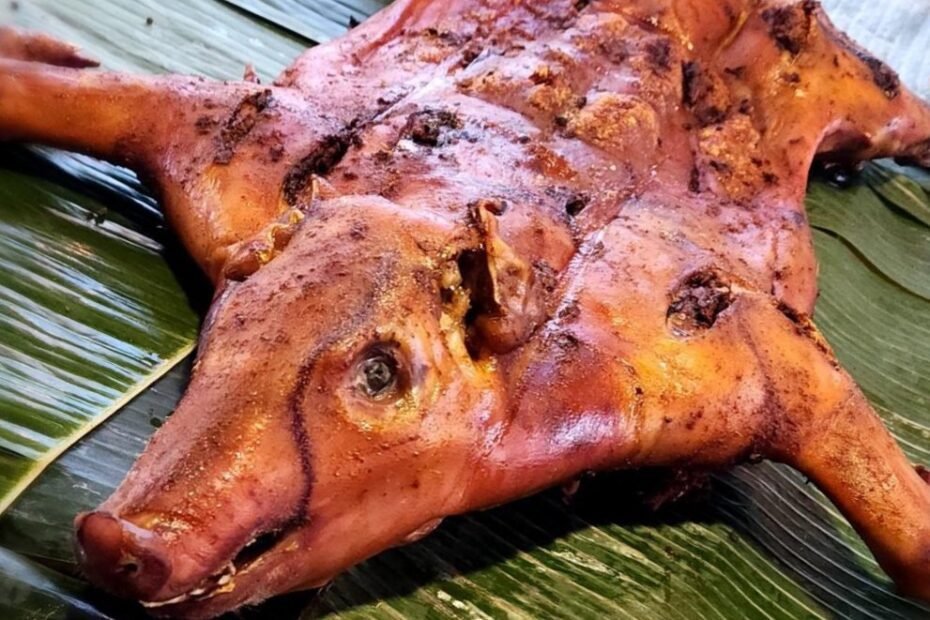
There are some dishes that are more than just food. They bring families together, fill the air with wonderful aromas, and turn an ordinary day into a celebration. In Cuba, Lechón Asado is one of those special dishes. It is a meal that people look forward to during gatherings, holidays, family reunions, and festive occasions.
Lechón Asado is slow-roasted pork marinated in a flavorful mixture called mojo. This famous Cuban marinade is made with garlic, citrus juice, oregano, and a few simple seasonings. The pork is allowed to soak up these flavors for many hours before it is slowly roasted until the meat becomes tender and juicy while the outside develops a beautiful golden crust.
Traditionally, a whole pig may be cooked for large celebrations, but many home cooks prepare the dish using a pork shoulder or pork leg. No matter the size, the goal remains the same: deeply flavored pork that is soft enough to pull apart with a fork and crispy enough on the outside to make every bite exciting.
Lechón Asado is usually served with congri, a traditional Cuban rice and bean dish, and yuca, a starchy root vegetable that is often topped with garlic sauce. Together, these foods create a meal that reflects the warmth and hospitality of Cuban cooking.
The first thing most people notice about Lechón Asado is the smell. As the pork roasts slowly, the aroma of garlic, citrus, oregano, and meat fills the kitchen. It is the kind of smell that makes people gather around the table long before dinner is ready.
The Story Behind Lechón Asado
Pork has been an important part of Cuban cooking for generations. The island’s warm climate and agricultural traditions helped make pork one of the most popular meats in Cuban cuisine.
Lechón Asado became closely connected with celebrations because roasting a whole pig requires time, effort, and often many helping hands. Families and friends gather to prepare the marinade, season the meat, and watch over the roasting process.
The dish is not rushed. It is built around patience. The long cooking time allows the flavors to penetrate deep into the meat while creating the tender texture that makes Lechón Asado so memorable.
Today, whether prepared in a backyard, at a family gathering, or in a home kitchen, Lechón Asado remains one of Cuba’s most treasured dishes.
What Makes Mojo So Special?
The soul of Lechón Asado is the mojo marinade.
Mojo combines fresh garlic with citrus juice, usually orange and lime. Oregano adds an earthy herbal flavor while salt and pepper help balance everything.
The citrus does more than add flavor. The natural acids in the juice help tenderize the surface of the meat. The garlic penetrates deeply, creating layers of flavor throughout the pork.
As the pork roasts, the marinade mingles with the natural juices from the meat. This creates a rich combination of savory, tangy, and aromatic flavors that define the dish.
Prep Time and Cook Time
Prep Time: 30 minutes
Marinating Time: 8 to 12 hours
Cook Time: 5 to 6 hours
Total Time: About 14 to 18 hours including marination
Serves: 8 to 10 people
Ingredients
For the pork:
- 3 kg pork shoulder with skin if possible
- 2 teaspoons salt
- 1 teaspoon black pepper
For the mojo marinade:
- 15 garlic cloves, crushed
- 1 cup fresh orange juice
- ¼ cup fresh lime juice
- 2 tablespoons olive oil
- 2 teaspoons dried oregano
- 1 teaspoon ground cumin
- 2 teaspoons salt
- 1 teaspoon black pepper
For serving:
- Congri (rice and black beans)
- Boiled yuca
- Extra garlic sauce if desired
Step-by-Step Recipe
Begin by preparing the mojo marinade.
In a large bowl, combine the crushed garlic, orange juice, lime juice, olive oil, oregano, cumin, salt, and black pepper. Stir everything well.
Place the pork shoulder in a large roasting pan.
Using a sharp knife, make several deep cuts throughout the meat. These openings help the marinade reach the inside of the pork.
Pour the mojo marinade over the pork. Use your hands or a spoon to work the marinade into every cut and surface.
Cover the pork and place it in the refrigerator. Let it marinate overnight or for at least eight hours.
The longer the marination time, the deeper the flavor.
When ready to cook, remove the pork from the refrigerator about thirty minutes before roasting.
Preheat the oven to 160°C.
Place the pork in a roasting pan. Pour any remaining marinade over the meat.
Cover loosely with foil.
Roast slowly for about four hours. During cooking, occasionally spoon some of the juices from the pan over the pork.
After several hours, remove the foil.
Increase the oven temperature to 190°C.
Continue roasting for another one to two hours until the outside becomes golden brown and slightly crispy.
The pork is ready when it becomes very tender and can be easily pulled apart with a fork.
Remove the meat from the oven and allow it to rest for about twenty minutes.
Shred or slice the pork and drizzle some of the roasting juices over the top before serving.
Serve hot with congri and boiled yuca.
The Science Behind Slow Roasting
One reason Lechón Asado tastes so rich and tender is the science of slow cooking.
Pork shoulder contains connective tissue and collagen. When cooked slowly at a moderate temperature, the collagen gradually breaks down into gelatin. This process creates moist and tender meat.
Food science research shows that slow roasting allows tough cuts of meat to become significantly softer while retaining their flavor.
The citrus marinade also contributes to tenderness. The natural acids in orange and lime juice gently affect the outer layers of the meat, helping create a softer texture and improving flavor absorption.
The final high-temperature roasting stage helps create the crispy outer layer that many people consider the best part of the dish.
Congri: The Perfect Partner
Lechón Asado is rarely served alone.
Congri is one of the most traditional side dishes in Cuban cuisine. It combines rice and black beans cooked together with seasonings.
The beans add earthiness while the rice absorbs the flavorful cooking liquid. When served alongside rich roasted pork, the combination feels balanced and satisfying.
Many Cuban families believe that a plate of Lechón Asado is not complete without congri.
Why Yuca Is Served Alongside
Yuca, also known as cassava, is another important part of the meal.
This root vegetable has a mild flavor and a texture similar to potatoes but slightly firmer.
Boiled yuca is often topped with a garlic and citrus dressing. The fresh and bright flavors help balance the richness of the roasted pork.
The contrast between juicy pork, hearty rice and beans, and tender yuca creates a complete dining experience.
Tips for Home Cooks
Choose a pork shoulder with some fat. Fat helps keep the meat moist during long roasting.
Do not skip the marinating time. Mojo needs several hours to work its way into the meat.
Make deep cuts in the pork before marinating. This simple step greatly improves flavor penetration.
Roast at a low temperature for most of the cooking process. Slow roasting is the secret to tenderness.
Save the pan juices. They contain concentrated flavor and make an excellent finishing sauce.
If the pork starts browning too quickly, loosely cover it with foil until the final roasting stage.
Allow the meat to rest before shredding. This helps retain moisture.
Leftover Lechón Asado can be used in sandwiches, tacos, rice bowls, or wraps the next day.
A Celebration on a Plate
Lechón Asado represents everything people love about traditional Cuban cooking. It takes humble ingredients and transforms them into something unforgettable through patience, care, and simple techniques.
The garlic-filled mojo marinade gives the pork its distinctive character. The slow roasting creates meat that is juicy and tender. The crispy exterior adds texture and flavor. Paired with congri and yuca, the dish becomes a complete feast that reflects Cuban hospitality and family traditions.
Every bite tells a story of long gatherings, shared meals, and the simple joy of bringing people together around a table filled with good food.