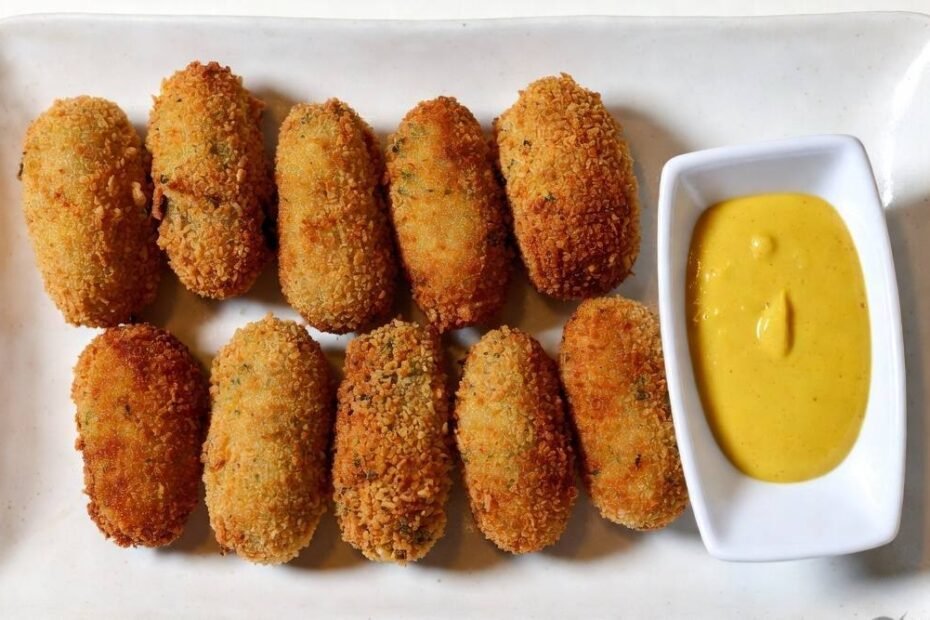
Few foods capture the comfort and charm of Cuban cuisine quite like Croquetas. Small, golden, crispy on the outside, and wonderfully creamy on the inside, these fried rolls have become one of the most loved appetizers and snacks in Cuba. Whether filled with ham, chicken, fish, or other savory ingredients, Croquetas are a familiar sight in homes, bakeries, cafés, and family gatherings.
At first glance, they may seem simple. A breaded roll fried until golden brown does not sound complicated. Yet one bite reveals why they are so popular. The crisp outer coating gives way to a rich and silky filling made with béchamel sauce and flavorful meat or seafood. The contrast of textures is what makes Croquetas so special.
In Cuba, Croquetas are often enjoyed at breakfast, served as a snack during the day, offered as an appetizer before meals, or placed on party tables where they disappear almost as quickly as they are served. Their small size makes them easy to share, while their rich flavor makes them unforgettable.
Every family has its own version. Some prefer ham croquetas, while others love chicken or fish. No matter the filling, the heart of the recipe remains the same: a creamy mixture surrounded by a crunchy golden shell.
The Story Behind Cuban Croquetas
The origins of croquetas can be traced to Spanish cuisine, where croquettes became a popular way to use leftover meats and create delicious appetizers. As Spanish culinary traditions traveled to Cuba, the dish became deeply rooted in Cuban food culture.
Over time, Cuban cooks adapted the recipe to local tastes and ingredients. Croquetas became a common feature in bakeries and homes across the island.
One reason for their popularity is practicality. They provide a wonderful way to transform small amounts of meat into something that can feed many people. The creamy béchamel stretches the filling while adding richness and flavor.
Today, Croquetas remain one of the most recognizable Cuban snacks and appetizers.
What Makes Croquetas So Special?
The secret lies in the contrast.
The outer coating is crisp and crunchy.
The inside is smooth, creamy, and packed with flavor.
This balance creates an eating experience that is both comforting and exciting.
The béchamel sauce plays an important role. Made from butter, flour, and milk, it creates a thick and silky base that binds the filling together.
When combined with finely chopped ham, chicken, or fish, the mixture becomes rich and satisfying.
After breading and frying, the result is a perfectly balanced bite with texture and flavor in every mouthful.
The Role of Béchamel Sauce
Without béchamel, Croquetas would not be the same.
Béchamel is a classic white sauce made by cooking butter and flour together before slowly adding milk.
As it thickens, it forms a creamy foundation that holds the filling together.
The sauce also provides moisture, preventing the filling from becoming dry.
In Cuban Croquetas, béchamel helps create the smooth and luxurious texture that people love.
A well-made filling should be thick enough to shape but creamy enough to melt in the mouth after frying.
Why Cubans Love Croquetas
Croquetas fit into almost any occasion.
They can be eaten for breakfast alongside coffee.
They can be served as appetizers before lunch or dinner.
They can appear at birthday parties, family gatherings, and holiday celebrations.
Their small size makes them easy to serve and share.
Another reason for their popularity is variety. The filling can be adjusted to suit personal tastes. Ham croquetas are perhaps the most famous, but chicken and fish versions are equally appreciated.
This flexibility keeps the dish interesting and allows families to create their own traditions.
Prep Time and Cook Time
Prep Time: 30 minutes
Chilling Time: 1 hour
Cook Time: 20 minutes
Total Time: About 1 hour 50 minutes
Serves: 6 to 8 people
Ingredients
For the filling:
- 2 tablespoons butter
- 3 tablespoons flour
- 2 cups milk
- 1 cup finely chopped ham, cooked chicken, or cooked fish
- 1 small onion, finely chopped
- 2 garlic cloves, minced
- Salt to taste
- Black pepper to taste
- A pinch of nutmeg (optional)
For breading:
- 2 eggs, beaten
- 1 cup breadcrumbs
For frying:
- Vegetable oil
Step-by-Step Recipe
Step 1: Prepare the Flavor Base
Melt the butter in a saucepan over medium heat.
Add the chopped onion and cook until soft.
Stir in the garlic and cook briefly.
The aroma released by the onion and garlic creates the first layer of flavor.
This simple mixture gives the filling warmth and depth.
Step 2: Make the Béchamel
Sprinkle the flour into the melted butter mixture.
Stir continuously.
The flour and butter combine into a smooth paste known as a roux.
Slowly pour in the milk while stirring constantly.
At first, the mixture may seem thin.
Keep stirring patiently.
As the sauce heats, it gradually thickens into a smooth and creamy béchamel.
Season with salt, black pepper, and nutmeg if desired.
Step 3: Add the Filling
Add the finely chopped ham, chicken, or fish to the béchamel.
Stir thoroughly until everything is evenly combined.
The mixture should become thick and hold together easily.
Continue cooking for a few more minutes to allow the flavors to blend.
The filling should be rich, creamy, and aromatic.
Step 4: Cool the Mixture
Transfer the filling to a shallow dish.
Spread it out evenly.
Allow it to cool completely.
Once cooled, place it in the refrigerator.
Chilling helps the mixture firm up, making it much easier to shape.
This step requires patience but is essential for success.
Step 5: Shape the Croquetas
Remove the chilled mixture from the refrigerator.
Using your hands, take small portions and shape them into short cylinders or oval rolls.
Try to keep the size consistent so they cook evenly.
The mixture should feel firm enough to hold its shape while remaining soft.
Arrange the shaped croquetas on a tray.
Step 6: Bread the Croquetas
Dip each croqueta into the beaten eggs.
Coat thoroughly.
Next, roll each one in breadcrumbs.
Make sure the entire surface is covered.
The breadcrumb coating creates the crispy shell that defines a good croqueta.
For extra crunch, some cooks repeat the egg and breadcrumb process a second time.
Step 7: Heat the Oil
Pour enough oil into a deep pan for frying.
Heat the oil over medium-high heat.
The oil should be hot enough to create immediate sizzling when a croqueta is added.
Proper oil temperature helps create a crisp coating while preventing excess oil absorption.
Step 8: Fry Until Golden
Carefully place the croquetas into the hot oil.
Do not overcrowd the pan.
Fry until golden brown on all sides.
Turn them gently during cooking to ensure even color.
The exterior should become beautifully crisp and golden.
The inside remains creamy and flavorful.
Step 9: Drain and Serve
Remove the croquetas using a slotted spoon.
Place them on paper towels to drain excess oil.
Allow them to rest briefly before serving.
Serve warm for the best texture and flavor.
What Do Cuban Croquetas Taste Like?
The first sensation is crunch.
The golden breadcrumb coating breaks gently with each bite.
Immediately afterward comes the creamy filling.
The béchamel creates a smooth and rich texture that feels comforting and luxurious.
The ham delivers savory saltiness.
Chicken provides mild and hearty flavor.
Fish offers a lighter, slightly delicate taste.
The balance between crisp exterior and creamy interior is what makes Croquetas so memorable.
Traditional Ways to Serve Croquetas
Croquetas are incredibly versatile.
They are often served as:
- Breakfast snacks
- Party appetizers
- Afternoon treats
- Side dishes
- Finger foods for gatherings
Many people enjoy them with simple dipping sauces.
Others prefer them plain so the filling remains the focus.
A plate of warm Croquetas alongside coffee is a classic Cuban experience.
They also pair beautifully with sandwiches and light salads.
Tips for Home Cooks
Allow the filling to cool completely before shaping.
Warm filling can be difficult to handle and may fall apart.
Keep stirring while making the béchamel to prevent lumps.
Finely chop the filling ingredients so the texture remains smooth.
If the mixture feels too soft, chill it longer before shaping.
Use fresh breadcrumbs for the best coating.
Maintain a steady oil temperature while frying.
Oil that is too cool can make the croquetas greasy.
Oil that is too hot may brown the outside before the inside is heated properly.
Fry in small batches for better results.
Serve immediately after frying for maximum crispness.
Croquetas can also be prepared ahead of time and refrigerated before frying.
Many cooks freeze shaped and breaded croquetas, allowing them to fry only what they need later.
Why Croquetas Remain a Cuban Favorite
Croquetas have remained popular because they combine simplicity, comfort, and flavor in a single bite. Their crispy exterior, creamy filling, and endless variety make them suitable for nearly any occasion. They can be elegant enough for celebrations and casual enough for everyday snacking.
Whether filled with ham, chicken, or fish, Cuban Croquetas continue to bring people together around tables filled with conversation, laughter, and good food. Their golden appearance, rich texture, and satisfying flavor ensure that they remain one of the most cherished appetizers in Cuban cuisine.