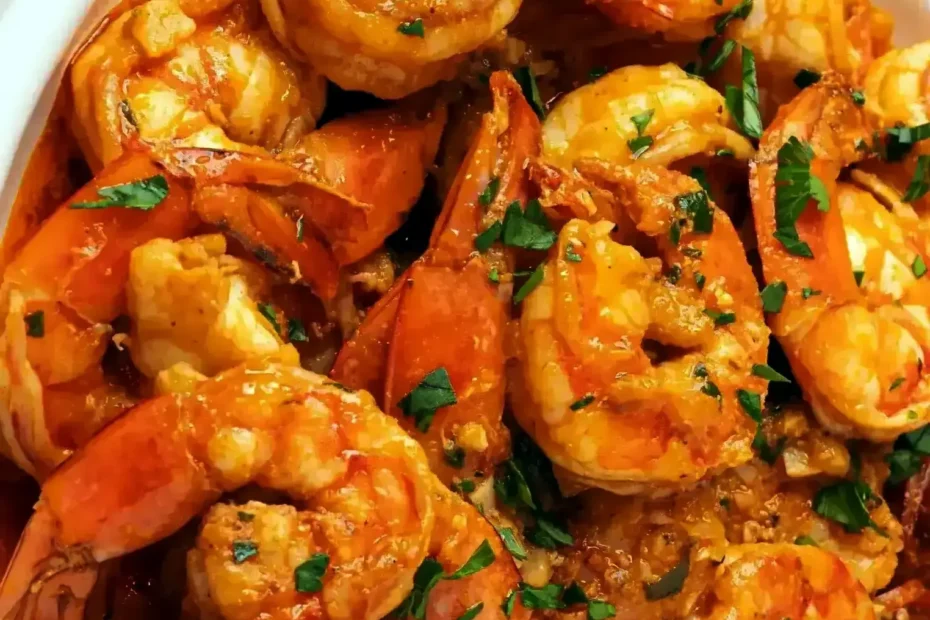
Some dishes prove that great cooking does not need a long list of ingredients. Camarones al Ajillo is one of those dishes. This classic Cuban seafood favorite brings together tender shrimp, fragrant garlic, good olive oil, and fresh parsley to create a meal that is simple, elegant, and packed with flavor.
In Cuban homes and seafood restaurants, Camarones al Ajillo is loved for its ability to transform a handful of everyday ingredients into something special. The dish comes together quickly, yet the result feels rich and satisfying. The aroma of garlic gently cooking in olive oil is enough to make everyone gather around the kitchen long before the meal reaches the table.
Shrimp has long been an important part of Cuban coastal cuisine. Surrounded by the sea, Cuba has a strong seafood tradition, and dishes like Camarones al Ajillo highlight the natural sweetness of fresh shrimp rather than covering it with heavy sauces or complicated seasonings.
The beauty of this dish lies in its simplicity. Garlic becomes the star, olive oil creates richness, parsley adds freshness, and the shrimp provides delicate sweetness. Together, they create a meal that feels both comforting and sophisticated.
The Meaning Behind the Name
The word “ajillo” comes from the Spanish word “ajo,” which means garlic.
When a dish is prepared “al ajillo,” it usually means it is cooked with plenty of garlic, often combined with olive oil. Throughout Spanish and Cuban cooking, this technique is widely used because it produces bold flavor without requiring many ingredients.
In Camarones al Ajillo, garlic is not simply a seasoning. It forms the foundation of the entire dish. The garlic-infused oil coats every shrimp, creating a delicious sauce that is perfect for spooning over rice or soaking up with bread.
A Dish with Spanish and Cuban Roots
Like many Cuban recipes, Camarones al Ajillo reflects the influence of Spanish cooking traditions.
Spanish settlers brought olive oil, garlic, and many cooking techniques to Cuba. Over time, local ingredients and Caribbean flavors blended with these traditions to create unique Cuban versions of classic dishes.
The Cuban style often emphasizes freshness and simplicity. Rather than using many spices, cooks focus on allowing the ingredients themselves to shine.
This approach works especially well with shrimp because shrimp naturally has a sweet and delicate flavor that can easily be overwhelmed by heavy seasonings.
Why Camarones al Ajillo Is So Popular
One reason people love this dish is its speed.
Unlike many slow-cooked Cuban recipes, Camarones al Ajillo can be prepared in less than half an hour.
Another reason is versatility.
The dish works as an appetizer, a main course, or even part of a larger seafood feast.
It can be served with rice, vegetables, plantains, or bread.
It is equally suitable for a casual family dinner or a special occasion.
The combination of garlic and shrimp has universal appeal, making it a favorite among both seafood lovers and people new to Cuban cuisine.
The Flavor Profile
The first flavor that reaches you is garlic.
Not the harsh taste of raw garlic, but the sweet and aromatic flavor that develops when garlic cooks gently in olive oil.
The shrimp adds natural sweetness and a delicate seafood character.
Olive oil brings richness and smoothness.
Fresh parsley introduces brightness and freshness.
A squeeze of citrus is often added just before serving, bringing balance and enhancing every flavor.
The result is a dish that feels rich yet light, bold yet balanced.
Prep Time and Cook Time
Prep Time: 15 minutes
Cook Time: 10 minutes
Total Time: 25 minutes
Serves: 4 people
Ingredients
For the shrimp:
- 500 grams large shrimp, peeled and cleaned
- 1 teaspoon salt
- ½ teaspoon black pepper
- 1 tablespoon lime juice
For the garlic sauce:
- 6 tablespoons olive oil
- 10 garlic cloves, thinly sliced
- 2 tablespoons fresh parsley, finely chopped
- ½ teaspoon paprika
- ¼ teaspoon chili flakes (optional)
- Salt to taste
- Black pepper to taste
For serving:
- Lime wedges
- Cooked white rice
- Fresh parsley
Step-by-Step Recipe
Step 1: Prepare the Shrimp
Place the cleaned shrimp in a bowl.
Add salt, black pepper, and lime juice.
Mix gently until the shrimp is evenly coated.
Allow it to rest while preparing the remaining ingredients.
This short seasoning period helps enhance the natural flavor of the shrimp.
Step 2: Prepare the Garlic
Peel the garlic cloves.
Slice them thinly rather than chopping them.
Thin slices cook evenly and create a beautiful texture in the finished dish.
Garlic is the heart of this recipe, so take a little extra care with this step.
The more evenly sliced the garlic, the better it will cook.
Step 3: Heat the Olive Oil
Place a large skillet over medium heat.
Add the olive oil.
Allow it to warm gently.
The oil should be hot enough to cook the garlic but not so hot that it causes immediate browning.
A gentle start helps develop the best flavor.
Step 4: Cook the Garlic
Add the sliced garlic to the warm oil.
Stir continuously.
The garlic should become fragrant and lightly golden.
Avoid rushing this stage.
Burnt garlic can become bitter and affect the entire dish.
The goal is soft, aromatic garlic infused into the olive oil.
At this point, the kitchen will begin filling with one of the most inviting aromas in cooking.
Step 5: Add the Seasonings
Sprinkle in the paprika.
If using chili flakes, add them now.
Stir briefly.
The spices blend into the garlic-infused oil and add another layer of flavor.
The mixture should smell rich and aromatic.
Step 6: Cook the Shrimp
Add the seasoned shrimp to the skillet.
Spread the shrimp into a single layer if possible.
Allow them to cook for a few minutes on one side before turning.
Shrimp cooks very quickly.
As it cooks, it changes from translucent to pink and opaque.
Turn the shrimp gently and cook the other side.
The garlic oil coats every piece, creating a flavorful sauce.
Step 7: Add Fresh Parsley
Once the shrimp is fully cooked, sprinkle the chopped parsley over the skillet.
Stir gently to combine.
The parsley adds freshness and color while balancing the richness of the olive oil.
The dish should now look vibrant and inviting.
Step 8: Rest Briefly
Remove the skillet from the heat.
Allow the shrimp to sit for a minute or two.
This brief resting period allows the flavors to settle and blend.
The oil, garlic, parsley, and shrimp become beautifully united.
Step 9: Serve Warm
Transfer the shrimp and garlic sauce to a serving platter.
Spoon the remaining oil and garlic over the top.
Serve with lime wedges on the side.
The lime can be squeezed over the shrimp just before eating for extra brightness.
What Does Camarones al Ajillo Taste Like?
The first bite delivers tender and juicy shrimp.
Its natural sweetness is immediately noticeable.
The garlic follows closely behind, rich and aromatic without being overwhelming.
The olive oil creates a smooth and luxurious texture.
Fresh parsley brightens the dish and prevents it from feeling too rich.
A squeeze of lime adds freshness and helps bring all the flavors together.
The overall taste is balanced, clean, and deeply satisfying.
Traditional Ways to Serve It
In Cuba, Camarones al Ajillo is often served with white rice.
The rice absorbs the flavorful garlic oil and transforms it into part of the meal.
Other popular accompaniments include:
- Fried plantains
- Tostones
- Yuca with mojo
- Crusty bread
- Fresh salad
- Black beans
Many people enjoy using bread to soak up every drop of the garlic-infused oil left on the plate.
The sauce is simply too delicious to waste.
Tips for Home Cooks
Choose fresh shrimp whenever possible.
If using frozen shrimp, thaw completely before cooking.
Pat the shrimp dry before adding it to the skillet.
Excess moisture can dilute the garlic oil.
Use good-quality olive oil because it plays a major role in the flavor of the dish.
Cook the garlic slowly and carefully.
Golden garlic is flavorful.
Dark brown garlic can become bitter.
Do not overcook the shrimp.
As soon as it turns pink and opaque, it is ready.
Overcooked shrimp can become rubbery.
Fresh parsley provides the best flavor and color.
Add it near the end of cooking to preserve its freshness.
Serve immediately after cooking for the best texture.
The dish is at its peak when the shrimp is freshly cooked and the garlic oil is still warm.
If you enjoy stronger citrus flavor, serve extra lime wedges at the table.
Some cooks also add a small splash of white wine to the garlic oil for additional depth.
Why Camarones al Ajillo Remains a Cuban Favorite
Camarones al Ajillo continues to be cherished because it celebrates the beauty of simple cooking. It does not rely on complicated techniques or long ingredient lists. Instead, it focuses on a few carefully chosen ingredients that work perfectly together. The sweet shrimp, aromatic garlic, rich olive oil, and fresh parsley create a combination that feels timeless and comforting.
Whether served as a quick family dinner, a festive seafood dish, or an elegant appetizer, Camarones al Ajillo showcases the flavors that make Cuban cuisine so memorable. Every bite offers warmth, freshness, and the unmistakable charm of a recipe that has delighted generations of seafood lovers.