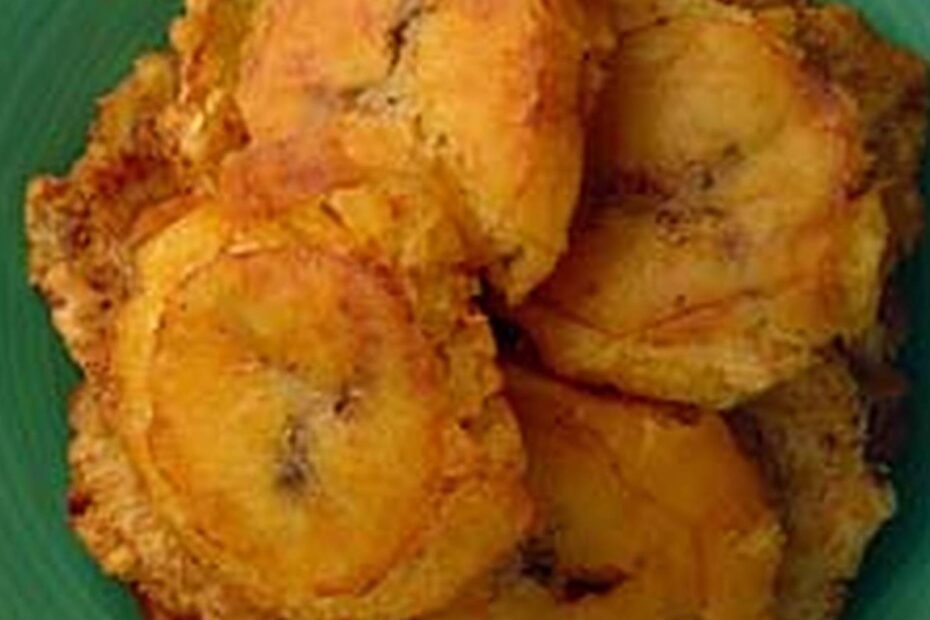
Some of the most loved foods in the world are not complicated. They do not require expensive ingredients or long cooking times. Instead, they rely on simple techniques that transform everyday ingredients into something unforgettable. Tostones are a perfect example. Made from green plantains that are fried, smashed, and fried again until golden and crispy, they are one of Cuba’s most popular side dishes.
Walk into a Cuban home, family gathering, or local restaurant, and there is a good chance you will find a plate of tostones on the table. Crispy on the outside, soft inside, and lightly salted, they are simple yet incredibly satisfying. They can be served alongside roasted pork, grilled chicken, seafood, or even enjoyed alone with a bowl of garlic dip or mojo sauce.
The beauty of tostones lies in their texture. The first frying softens the plantain. The second frying creates the signature crunch that makes them so addictive. Every bite delivers a contrast between a crispy exterior and a tender center.
For many Cubans, tostones are more than just a side dish. They are part of everyday life, a familiar comfort food that brings people together. Whether served at lunch, dinner, or as a snack, they always seem to disappear quickly from the plate.
One reason for their popularity is that they transform a humble green plantain into something special. With only a few ingredients and a simple cooking method, tostones become a dish that people remember long after the meal is over.
The Story Behind Tostones
Plantains have been an important part of Caribbean cooking for generations. They grow well in tropical climates and are used in many different ways.
Unlike bananas, green plantains are starchy rather than sweet. Their firm texture makes them ideal for frying. Over time, cooks discovered that frying plantains twice created a wonderfully crispy texture.
This simple technique became popular throughout Cuba and many other Caribbean countries.
In Cuba, tostones are often served with mojo, a flavorful sauce made with garlic and citrus. The bright flavor of the sauce pairs perfectly with the crispy plantains.
Today, tostones remain one of the most recognizable examples of Cuban comfort food.
What Makes Tostones Different?
People sometimes confuse tostones with fried bananas or sweet plantain dishes.
The difference begins with the plantain itself.
Tostones use green plantains, which are firm, starchy, and only mildly sweet.
The double-frying process also sets them apart.
The first fry softens the plantain.
The plantain is then smashed into a flat disc.
The second fry creates the crisp outer layer that makes tostones unique.
This technique produces a texture that cannot be achieved with a single frying.
The result is crispy, golden, and deeply satisfying.
Why Green Plantains Are Important
Using green plantains is essential.
As plantains ripen, they become sweeter and softer.
Ripe plantains are excellent for other dishes, but they do not produce the same crispy texture needed for tostones.
Green plantains contain more starch and less sugar.
This allows them to hold their shape during frying and develop a crunchy exterior.
When shopping for plantains, choose ones that are firm and mostly green.
These will provide the best results.
Prep Time and Cook Time
Prep Time: 15 minutes
Cook Time: 20 minutes
Total Time: About 35 minutes
Serves: 4 to 6 people
Ingredients
For the tostones:
- 3 large green plantains
- Vegetable oil for frying
- 1 teaspoon salt
For a simple garlic dip:
- 4 garlic cloves, minced
- 3 tablespoons olive oil
- 1 tablespoon lime juice
- Pinch of salt
For a basic mojo sauce:
- 5 garlic cloves, minced
- 4 tablespoons fresh lime juice
- 3 tablespoons olive oil
- ½ teaspoon salt
Step 1: Prepare the Plantains
Begin by peeling the green plantains.
Because green plantains are firm, they can be slightly difficult to peel.
Cut off both ends.
Make a shallow cut along the length of the peel and carefully remove the skin.
Once peeled, slice each plantain into thick rounds about two to three centimeters thick.
The pieces should be large enough to flatten later without breaking apart.
Place the slices aside while preparing the oil.
Step 2: First Frying
Heat several centimeters of oil in a deep skillet or frying pan.
The oil should be hot but not smoking.
Carefully add the plantain slices.
Cook them for several minutes on each side.
The goal during this first frying is not to make them crispy.
Instead, the plantains should soften and develop a light golden color.
Once softened, remove them from the oil and place them on paper towels.
Allow them to cool slightly before handling.
At this stage, they will still be soft in the center.
Step 3: Smash the Plantains
This is the step that gives tostones their characteristic shape.
Using the bottom of a glass, a plate, or a dedicated plantain press, gently flatten each piece.
Press until each slice becomes a thick disc.
Do not make them too thin.
A little thickness helps maintain a tender center while allowing the outside to become crispy.
As the plantains flatten, they begin looking more like traditional tostones.
This step is simple but very important.
The increased surface area helps create extra crispiness during the second frying.
Step 4: Second Frying
Return the flattened plantains to the hot oil.
Fry them again until they become golden brown and crispy.
This second frying transforms the texture completely.
The surface develops a satisfying crunch while the inside remains soft.
Cook until both sides are evenly golden.
Remove the tostones from the oil and place them on fresh paper towels.
Immediately sprinkle them with salt while still hot.
The heat helps the salt stick to the surface.
At this stage, the kitchen fills with the wonderful aroma of freshly fried plantains.
Step 5: Prepare the Sauce and Serve
For the garlic dip, combine minced garlic, olive oil, lime juice, and salt in a small bowl.
For the mojo sauce, mix garlic, lime juice, olive oil, and salt until well blended.
Arrange the warm tostones on a serving plate.
Serve them alongside the dip or mojo sauce.
Many people enjoy dipping each crispy piece into the sauce just before eating.
The combination of crunchy plantains and bright garlic flavor is one of the reasons tostones remain so popular.
The Science Behind Double Frying
The secret to perfect tostones lies in the double-frying process.
Food science helps explain why this method works so well.
During the first frying, moisture inside the plantain begins to heat and soften the starches.
The plantain becomes tender but does not yet develop a crispy crust.
When the plantain is flattened, more surface area is exposed.
The second frying removes additional moisture from the outer layer.
As moisture escapes, the surface becomes crisp and golden.
This process creates the texture contrast that makes tostones so enjoyable.
The outside becomes crunchy while the inside remains tender.
Without the second frying, this texture would be impossible to achieve.
Why Garlic and Citrus Pair So Well
Garlic and citrus are common partners in Cuban cuisine.
The rich flavor of fried foods benefits from something bright and fresh.
Garlic provides depth and aroma.
Lime juice contributes acidity and freshness.
Together, they balance the richness of the fried plantains.
This combination keeps the dish from feeling heavy.
A simple garlic sauce can completely transform the eating experience.
A Side Dish That Complements Many Meals
One reason tostones remain so popular is their versatility.
They pair beautifully with roasted pork.
They work well alongside grilled chicken.
They complement seafood dishes wonderfully.
They can even be served as an appetizer or snack.
Because their flavor is mild, they adapt easily to many meals.
Their crispy texture also adds variety to the table.
This flexibility has helped make them a staple in Cuban cooking.
Tips for Home Cooks
Choose firm green plantains rather than yellow or ripe ones.
Maintain a steady oil temperature during both frying stages.
Do not overcrowd the pan.
Fry in batches if necessary.
Flatten the plantains gently to avoid breaking them.
Salt the tostones immediately after frying.
Fresh garlic provides the best flavor for sauces.
Serve the tostones while hot for maximum crispiness.
If making a large batch, keep finished tostones warm in a low oven.
Leftover tostones can be reheated in an oven or air fryer to restore some crispiness.
A Crispy Taste of Cuban Tradition
Tostones are a perfect example of how simple ingredients can create something extraordinary. With nothing more than green plantains, oil, and salt, Cuban cooks have developed a side dish that is loved across generations.
The double-frying process creates an irresistible texture, while garlic dip and mojo sauce add brightness and flavor. Whether served beside a large family meal or enjoyed as a simple snack, tostones bring warmth, comfort, and a touch of Cuban tradition to the table.
Every crispy bite reflects the beauty of traditional cooking—taking an everyday ingredient and transforming it into something memorable through patience, technique, and a love of sharing good food.