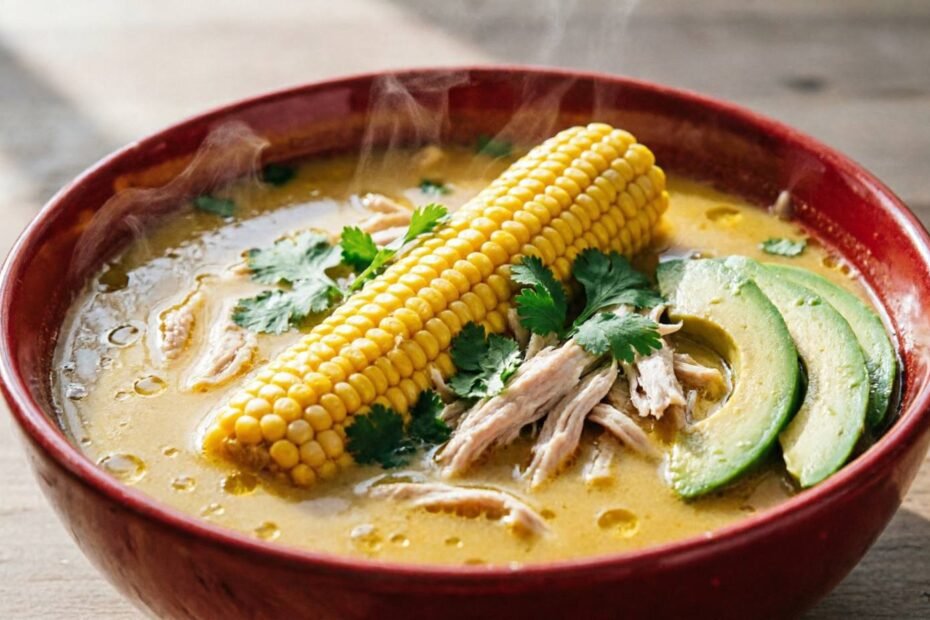
There are some dishes that tell the story of a country better than any history book. In Cuba, Ajiaco is one of those dishes. Rich, filling, and packed with a variety of meats and vegetables, this famous stew represents the heart of Cuban rural cooking. It is a meal born from the countryside, where families gathered ingredients from farms, gardens, and local markets and slowly cooked them together in one large pot.
Ajiaco is not a dish built around a single ingredient. Instead, it celebrates abundance and variety. Pork, beef, chicken, corn, yuca, plantains, and malanga all share space in the same pot. As they simmer together, each ingredient contributes its own flavor, texture, and character. The result is a thick, hearty stew that feels both rustic and comforting.
For many Cubans, Ajiaco is more than food. It is a symbol of family gatherings, community meals, and the traditions of rural life. Large pots of Ajiaco were often prepared when relatives visited or when communities came together to celebrate. Because the recipe can feed many people, it naturally became associated with sharing and hospitality.
One bowl of Ajiaco offers a little bit of everything. Tender meat, sweet corn, creamy root vegetables, and rich broth come together in a way that feels deeply satisfying. Every spoonful is different, yet all the flavors blend beautifully.
The Story Behind Cuban Ajiaco
Ajiaco has a long history in Cuba and is often considered one of the country’s most traditional dishes.
The stew reflects the mixing of cultures that helped shape Cuban cuisine. Indigenous communities contributed ingredients such as corn, yuca, and other root vegetables. Spanish settlers introduced livestock and cooking techniques. Over time, these influences blended together in a single pot.
This is one reason many food historians see Ajiaco as a symbol of Cuban identity. Different ingredients from different traditions come together to create something entirely new.
The recipe varies from region to region and family to family. Some cooks add more vegetables, while others focus on certain meats. Yet the spirit of the dish remains the same: a generous one-pot meal filled with local ingredients.
Why Ajiaco Is So Special
Many stews focus on one type of meat or one type of vegetable.
Ajiaco is different.
It brings together several meats and several vegetables in a single dish.
The pork contributes richness.
The beef provides deep savory flavor.
The chicken adds tenderness.
The corn brings sweetness.
The yuca and malanga create creaminess.
The plantains add gentle sweetness and texture.
Together, these ingredients create layers of flavor that continue developing throughout the cooking process.
The longer the stew simmers, the better it becomes.
Prep Time and Cook Time
Prep Time: 35 minutes
Cook Time: 2 hours 30 minutes
Total Time: About 3 hours 5 minutes
Serves: 8 to 10 people
Ingredients
For the meats:
- 500 grams pork shoulder, cut into chunks
- 500 grams beef chuck, cut into chunks
- 500 grams chicken thighs, bone-in
- 2 tablespoons vegetable oil
- 1 teaspoon salt
- ½ teaspoon black pepper
For the stew:
- 1 large onion, chopped
- 1 green bell pepper, chopped
- 6 garlic cloves, minced
- 2 tomatoes, chopped
- 3 liters water or stock
- 2 corn cobs, cut into pieces
- 500 grams yuca, peeled and chopped
- 300 grams malanga, peeled and chopped
- 2 green plantains, peeled and sliced
- 1 ripe plantain, peeled and sliced
- 1 teaspoon ground cumin
- 1 teaspoon dried oregano
- 2 bay leaves
- Salt to taste
- Black pepper to taste
Step 1: Brown the Meats
Heat the vegetable oil in a large heavy pot.
Season the pork, beef, and chicken with salt and black pepper.
Add the meats to the pot in batches.
Brown them lightly on all sides.
This step is important because it creates deeper flavor.
As the meat develops color, natural browning reactions occur, producing rich savory notes that will enhance the stew.
Once browned, remove the meat and set it aside.
Step 2: Create the Flavor Base
Using the same pot, add the chopped onion.
Cook until soft and translucent.
Add the green bell pepper and continue cooking.
Stir in the garlic and cook briefly until fragrant.
Add the chopped tomatoes.
Cook until the tomatoes begin breaking down into a thick mixture.
This vegetable mixture forms the foundation of the stew.
The combination of onions, peppers, garlic, and tomatoes adds sweetness, aroma, and depth.
The kitchen begins to fill with the comforting smell of slow cooking.
Step 3: Build the Broth
Return the browned meats to the pot.
Add the water or stock.
Stir in the cumin, oregano, and bay leaves.
Bring everything to a gentle boil.
Once boiling, reduce the heat and allow the meats to simmer slowly.
This stage gives the broth time to absorb flavor from the different meats.
The pork contributes richness.
The beef provides depth.
The chicken adds balance and tenderness.
After about one hour, the broth becomes rich and flavorful.
Step 4: Add the Vegetables
Add the corn pieces, yuca, malanga, green plantains, and ripe plantains.
Stir gently.
The pot will now be filled with colorful ingredients.
Continue simmering slowly.
As the vegetables cook, they begin releasing starches into the broth.
The yuca softens and becomes slightly creamy.
The malanga contributes a smooth texture.
The corn adds sweetness.
The green plantains provide body, while the ripe plantains add gentle sweetness.
Over time, some vegetables partially break down and naturally thicken the stew.
This is one of the reasons Ajiaco develops such a satisfying texture.
Step 5: Simmer, Rest, and Serve
Allow the stew to continue cooking until all the meats are tender and the vegetables are soft.
Taste and adjust the seasoning if needed.
Remove the bay leaves.
Allow the pot to rest for a few minutes before serving.
This brief resting period helps the flavors settle and blend together.
Serve generous bowls of Ajiaco while hot.
Each serving should contain a mixture of meats, vegetables, and plenty of broth.
Some people enjoy serving it with bread or white rice, although the stew is hearty enough to be a complete meal on its own.
The Science Behind Slow-Cooked Stews
One reason Ajiaco tastes so comforting is the way ingredients interact during long cooking.
When meat simmers slowly, collagen within connective tissues gradually transforms into gelatin.
Food science research shows that gelatin contributes body and richness to soups and stews.
At the same time, vegetables release starches and natural sugars into the broth.
These compounds help thicken the liquid while adding sweetness and complexity.
The long cooking time allows flavors to blend thoroughly.
Instead of tasting separate ingredients, the stew develops a unified and harmonious flavor.
This is why Ajiaco becomes more delicious as it simmers.
The Importance of Root Vegetables
Root vegetables are essential to the character of Ajiaco.
Yuca brings a mild flavor and dense texture.
Malanga contributes creaminess and a slightly nutty taste.
These ingredients help transform the stew from a simple soup into a substantial meal.
Because root vegetables store well and grow in tropical climates, they have long been important foods in rural Cuba.
Their presence in Ajiaco reflects the agricultural traditions of the countryside.
Why Plantains Matter
Plantains add a unique dimension to the stew.
Green plantains behave more like vegetables. They provide texture and help thicken the broth.
Ripe plantains bring natural sweetness.
Together, they create balance.
The contrast between savory meats and sweet plantains is one of the defining features of the dish.
This combination gives Ajiaco its distinctive flavor profile.
A One-Pot Meal for Families
One reason Ajiaco became so popular is practicality.
Everything cooks in a single pot.
The recipe can easily be adjusted depending on what ingredients are available.
It can feed a large group without requiring complicated preparation.
For farming communities and large families, this made perfect sense.
A single pot simmering over low heat could provide nourishment for many people.
The tradition continues today because the dish remains both economical and satisfying.
Tips for Home Cooks
Brown the meats before simmering for deeper flavor.
Use bone-in chicken if possible because it enriches the broth.
Cut vegetables into large pieces so they do not disappear during cooking.
Do not rush the simmering process.
Gentle cooking creates the best texture.
Taste the broth throughout cooking and adjust seasoning gradually.
If the stew becomes too thick, add a little extra stock.
If it is too thin, continue simmering uncovered.
Fresh corn adds sweetness and authenticity.
Allow the stew to rest briefly before serving.
Leftover Ajiaco often tastes even better the next day because the flavors continue developing.
A Taste of Cuba’s Countryside
Ajiaco captures the essence of Cuban rural cooking. It takes simple ingredients from the land and transforms them into a meal that is rich, nourishing, and full of character. The combination of pork, beef, chicken, corn, yuca, malanga, and plantains creates a stew that feels both hearty and welcoming.
Every bowl reflects the values of traditional home cooking: generosity, patience, and making the most of available ingredients. The rich broth, tender meats, and creamy vegetables come together to create a dish that has comforted generations of Cuban families.
Ajiaco remains a powerful reminder that some of the world’s most memorable meals are not built around luxury ingredients. They are built around community, tradition, and the simple pleasure of sharing a warm pot of food with the people gathered around the table.