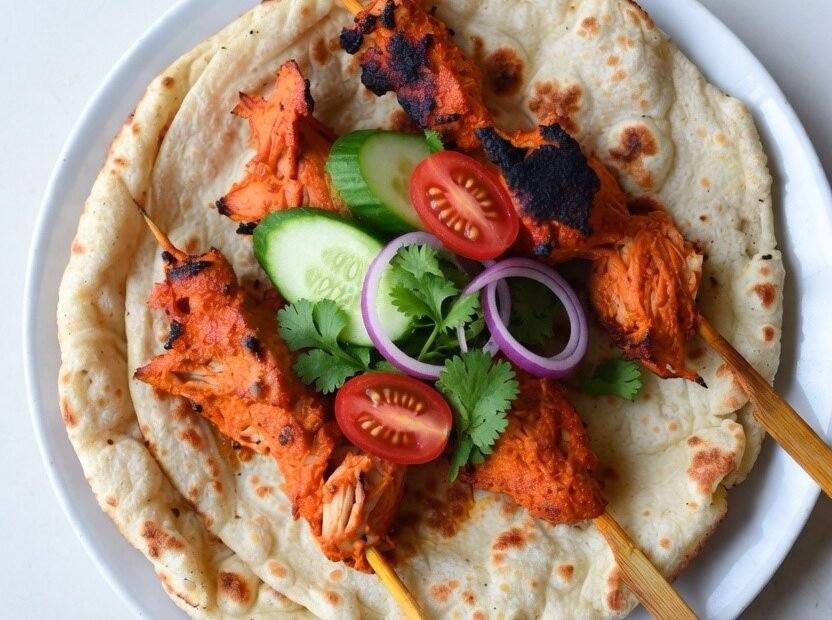
In Punjabi households, food is never treated like a small matter. Food is discussion, emotion, celebration, and sometimes even competition. Growing up in Ludhiana, I remember family gatherings where everybody proudly claimed their own version of tandoori chicken was the best. One uncle would say the secret was mustard oil. Another would insist only charcoal smoke creates real flavour. Meanwhile, my mother quietly made soft rotis in the kitchen while all the men argued loudly like restaurant judges.
Now in my mid-forties, I still carry that same food obsession.
I work long hours managing my family business, but cooking remains my way of relaxing. Some people watch television after work. I marinate chicken.
Among all the dishes I make at home, spicy chicken tikka skewers are probably the one recipe that brings everybody together fastest. The moment the smell of roasting chicken mixed with spices starts spreading through the house, family members slowly begin entering the kitchen without invitation.
My wife says she can judge my mood based on how spicy I make the marinade.
Honestly, she may be correct.
I still remember one winter evening when this recipe became special in our home. It was during peak wedding season in Punjab. Every second day there was some function, some party, or some heavy restaurant food. After weeks of rich meals outside, I wanted to make something homemade but still full of flavour.
I bought fresh chicken from the market, prepared a thick spicy marinade, and cooked skewers slowly on a small charcoal grill on our terrace.
The cold evening air, smoky chicken aroma, and hot masala chai afterward created one of those simple family evenings that stays in memory for years.
Since then, spicy chicken tikka skewers became more than just a recipe for me. They became a weekend ritual.
Why Chicken Tikka Always Feels Special
There is something deeply satisfying about properly cooked chicken tikka.
The outside becomes slightly charred and smoky while the inside stays juicy and tender. The spices coat every bite beautifully without overpowering the flavour of the chicken itself.
Good chicken tikka should feel balanced.
Spicy but not painful.
Smoky but not burnt.
Soft inside with slight crispness outside.
That balance is what makes this recipe enjoyable.
Ingredients Needed
This recipe serves around 4 people.
Main Ingredients
- 700 grams boneless chicken
- 1 onion cut into cubes
- 1 capsicum cut into cubes
- Lemon wedges
- Butter for brushing
First Marinade
- 1 teaspoon salt
- 1 tablespoon lemon juice
- Half teaspoon turmeric powder
Second Marinade
- 1 cup thick curd
- 1 tablespoon ginger-garlic paste
- 1 tablespoon Kashmiri red chilli powder
- 1 teaspoon red chilli powder
- 1 teaspoon garam masala
- 1 teaspoon coriander powder
- Half teaspoon cumin powder
- 1 tablespoon mustard oil
- Salt as needed
Optional Ingredients
- Chaat masala
- Fresh cream
- Kasuri methi
Sometimes I add a little crushed kasuri methi because it gives beautiful restaurant-style aroma.
Choosing the Right Chicken
For juicy tikka, boneless chicken thigh pieces work best.
Chicken breast can become dry very quickly if overcooked.
I prefer medium-sized pieces because they cook evenly and stay soft inside.
Every time I visit the chicken shop, I still stand there carefully selecting pieces like an experienced chef, even though the shopkeeper already knows exactly what I need.
Punjabi food lovers take their meat very seriously.
Preparing the Marinade
Good chicken tikka depends more on the marinade than anything else.
You cannot rush this step.
The spices need time to enter the chicken properly.
Whenever I prepare tikka, I usually start marination in the afternoon itself so the flavours develop deeply by evening.
Step-by-Step Recipe
Step 1: Clean and Cut the Chicken
Wash the chicken properly and remove extra water completely.
Too much water weakens the marinade.
Cut the chicken into medium-sized cubes.
Not too small, otherwise they dry out during cooking.
Step 2: Apply the First Marinade
Take the chicken in a large bowl.
Add:
- Salt
- Lemon juice
- Turmeric powder
Mix properly and leave for 15 minutes.
This first marination helps remove raw smell and starts softening the chicken.
Meanwhile, I usually prepare tea and sit on the balcony for a few minutes. Cooking meat slowly always reminds me of old Punjabi family gatherings where preparation itself felt like part of the celebration.
Step 3: Prepare the Main Marinade
In another bowl, add thick curd.
Then mix:
- Ginger-garlic paste
- Kashmiri red chilli powder
- Regular red chilli powder
- Coriander powder
- Cumin powder
- Garam masala
- Mustard oil
- Salt
Mix everything until smooth.
The colour becomes rich reddish-orange.
That spicy aroma immediately creates hunger.
Step 4: Add Chicken to the Marinade
Now add the chicken pieces into the curd mixture.
Coat every piece properly.
Massage the marinade gently into the chicken using your hands.
This step makes a big difference.
Cover the bowl and refrigerate for at least 2 hours.
Overnight marination gives even better flavour.
Many times, while the chicken marinates, I start preparing mint chutney or slicing onions for serving later.
Step 5: Prepare the Skewers
If using wooden skewers, soak them in water for around 20 minutes.
This prevents burning during cooking.
Thread the chicken pieces onto skewers.
Between chicken pieces, add onion and capsicum cubes.
The vegetables become slightly smoky and sweet while cooking.
The skewers already start looking beautiful at this stage.
Step 6: Heat the Grill or Pan
You can cook these skewers on:
- Charcoal grill
- Oven
- Air fryer
- Tawa or grill pan
Personally, I love charcoal flavour most.
That smoky aroma reminds me of roadside dhabas on Punjab highways during winter nights.
Heat the grill properly before placing the skewers.
Step 7: Cook the Chicken Slowly
Place the skewers on medium heat.
Cook one side for around 4 to 5 minutes.
Then turn gently.
Brush lightly with butter or mustard oil while cooking.
This keeps the chicken juicy.
The marinade slowly starts becoming slightly charred at the edges.
That smoky roasted smell is probably one of the best food aromas in Indian cooking.
Usually by this stage, my children enter the terrace asking, “How much longer?”
Step 8: Watch the Texture Carefully
Do not overcook the chicken.
That is the biggest mistake people make.
Proper chicken tikka should remain juicy inside.
Once the chicken develops slight charred spots and looks cooked through, remove from heat.
The onions and capsicum should also look lightly roasted.
Step 9: Rest the Skewers Briefly
Let the skewers rest for 2 minutes before serving.
This helps the juices settle inside the chicken.
Meanwhile, sprinkle a little chaat masala if you like extra flavour.
Serving the Chicken Tikka
Serve hot with:
- Mint chutney
- Onion rings
- Lemon wedges
- Laccha onions
- Butter naan
- Roomali roti
Personally, I enjoy eating chicken tikka directly from the skewers while sitting outdoors during cool evenings.
Food somehow tastes better in open air.
Small Tips From My Kitchen
Use Thick Curd Only
Watery curd makes the marinade thin and prevents proper coating.
Mustard Oil Adds Authentic Flavour
Even a small amount creates beautiful Punjabi-style depth.
Kashmiri Chilli Gives Colour
It adds rich colour without making the tikka too spicy.
Medium Heat Works Best
High heat burns the outside before the inside cooks properly.
Resting Time Matters
Freshly marinated chicken always tastes deeper and softer.
Why I Keep Returning to This Recipe
As people grow older, certain foods become connected with memories more than hunger.
For me, spicy chicken tikka skewers carry memories of terrace dinners, winter evenings, family conversations, cricket matches playing in the background, and laughter around smoky grills.
In Punjabi culture, feeding people is a way of showing affection.
Nobody leaves hungry from a Punjabi home.
Whenever relatives visit unexpectedly, chicken tikka often becomes the fastest way to create a warm evening gathering. Somebody starts making tea, somebody arranges chairs outside, and slowly conversations continue for hours around hot food.
That atmosphere matters as much as the recipe itself.
A Dish That Brings People Together
Restaurant food may look fancy, but homemade chicken tikka has a completely different feeling.
It carries patience, preparation, family stories, and personal taste.
Every person makes it slightly differently.
Some prefer extra spice. Some add cream. Some focus more on smoky flavour.
That personal touch is what keeps this dish alive in so many Indian homes.
Even today, after stressful workdays or tiring weeks, marinating chicken and slowly grilling spicy tikka skewers still feels deeply relaxing to me.
Good food has that power.
It slows life down for a while and reminds people to sit together, eat properly, and enjoy simple evenings before rushing back into busy routines again.