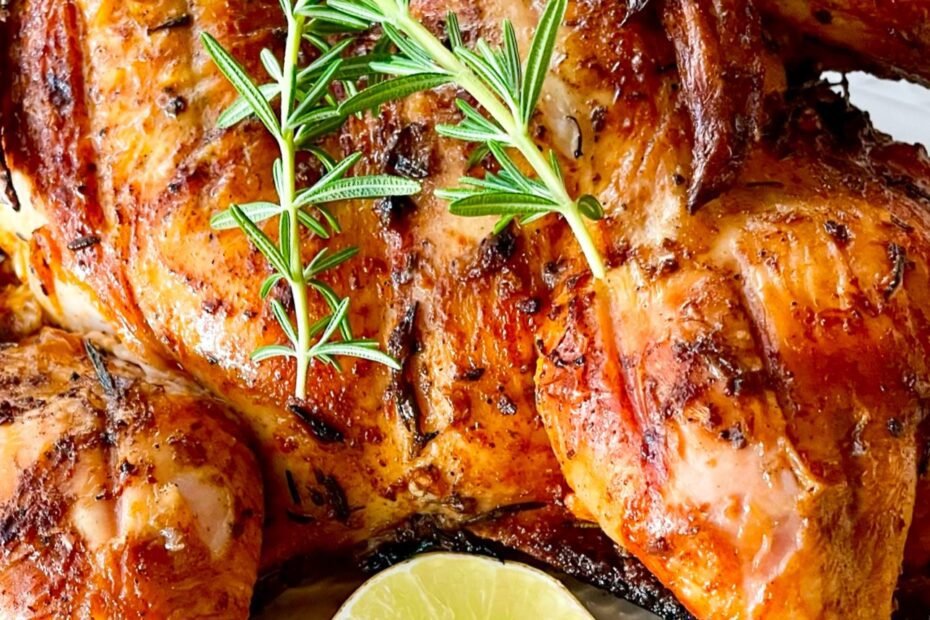
Many people imagine grilling chicken as something only expert cooks can do properly. They picture large backyard grills, professional barbecue tools, and years of cooking experience. The truth is much simpler. Great grilled chicken mostly comes from understanding heat, timing, and flavor.
The first time many beginners grill chicken, the results are often disappointing. The outside burns too quickly while the inside stays pink. Sometimes the chicken becomes dry and chewy because it stayed on the grill too long. Other times it lacks flavor because the seasoning never fully reaches the meat.
Almost every home cook experiences these problems in the beginning.
Grilling chicken becomes much easier once you understand how the meat behaves over heat. Chicken cooks differently from beef because it is leaner and more delicate. It needs steady heat, patience, and proper preparation.
Once you learn the basics, grilled chicken becomes one of the most satisfying meals to make at home. The smoky smell, crispy edges, juicy center, and beautiful grill marks create something that feels comforting and exciting at the same time.
Understanding the Different Cuts of Chicken
Not all chicken pieces cook the same way on a grill. Some cuts are easier for beginners because they stay juicy longer, while others require more attention.
Chicken thighs are often the easiest choice for beginners. They contain slightly more fat, which protects them from drying out too quickly. Even if they stay on the grill a little longer than necessary, they usually remain tender and flavorful.
Chicken breasts are leaner and cook faster, but they can dry out quickly if the temperature becomes too high. Many beginners struggle with chicken breasts at first because the meat goes from juicy to dry in only a few extra minutes.
Drumsticks and wings are also excellent for grilling because they develop crispy skin and rich flavor over open heat. Bone-in chicken generally cooks more slowly than boneless cuts, but it often tastes juicier.
Understanding your chicken cut helps you control cooking time more confidently.
Why Temperature Control Matters So Much
Temperature control is the most important skill in grilling chicken successfully.
Many beginners assume higher heat cooks food better and faster. While strong heat creates beautiful grill marks, chicken needs balanced cooking. If the grill becomes too hot, the outside burns before the inside finishes cooking.
Good grilled chicken usually cooks over medium heat rather than extremely high heat.
Professional grillers often divide the grill into two cooking areas. One side stays hotter for searing, while the other side remains cooler for slower cooking. This method gives much better control.
When chicken starts browning too quickly, you can simply move it to the cooler side instead of burning the surface.
Gas grills make temperature adjustment easier because the flame can be controlled instantly. Charcoal grills require a little more practice, but many people love the smoky flavor they create.
One of the best tools any beginner can buy is a simple meat thermometer. Instead of guessing, you can check the internal temperature directly. Chicken becomes safe to eat at 165°F. This removes much of the stress beginners feel while grilling.
The Importance of Marination
A good marinade completely changes grilled chicken.
Marination is not only about flavor. It also helps keep chicken tender and juicy while cooking over heat. Without enough moisture and seasoning, grilled chicken can taste plain and dry.
Most marinades combine oil, acid, and seasoning.
Oil helps coat the meat evenly and prevents sticking on the grill. Lemon juice, yogurt, vinegar, or buttermilk add acidity, which gently tenderizes the chicken. Herbs, garlic, spices, and pepper build flavor.
One of the nicest things about marinated chicken is how deeply the flavors settle into the meat over time. Even simple ingredients like garlic, paprika, lemon, and olive oil can create rich flavor when given enough time.
Many home cooks marinate chicken overnight because it saves preparation time the next day. The chicken becomes ready to cook as soon as the grill heats up.
Equipment That Makes Grilling Easier
You do not need expensive barbecue equipment to grill chicken successfully at home.
A basic charcoal grill or gas grill works perfectly well. Even a grill pan indoors can produce delicious results.
Still, a few tools make the process easier and safer.
Long metal tongs help flip chicken without piercing the meat. Forks release juices from the chicken, which can lead to dryness.
A grill brush keeps the grates clean and prevents sticking. Dirty grates cause uneven cooking and unpleasant burnt flavors.
A thermometer remains one of the most valuable tools because it removes uncertainty completely.
Many experienced grillers also keep a small spray bottle of water nearby for charcoal flare-ups. Dripping fat sometimes causes sudden flames, and a quick spray helps calm the fire without lowering the grill temperature too much.
Common Grilling Methods
Different grilling methods create slightly different flavors and textures.
Charcoal grilling produces the deepest smoky flavor. Many people love the classic barbecue taste charcoal creates, especially during outdoor gatherings and family cookouts.
Gas grilling offers convenience and better heat control. Beginners often find gas grills easier because adjusting the flame is simple and immediate.
Indoor grill pans work surprisingly well for smaller kitchens or apartments. While they do not create true smoky flavor, they still produce beautiful grill marks and caramelization.
Some cooks even combine oven cooking with grilling. Thick chicken pieces may begin in the oven and finish on the grill for extra color and flavor.
Each method works well once you understand proper timing and temperature.
Step-by-Step Recipe for Perfect Grilled Chicken
Ingredients
- 4 chicken thighs or chicken breasts
- 1/4 cup olive oil
- Juice of 1 lemon
- 4 garlic cloves, minced
- 1 teaspoon paprika
- 1 teaspoon black pepper
- 1 teaspoon salt
- 1 teaspoon onion powder
- 1 teaspoon dried oregano
Step 1: Prepare the Chicken
Pat the chicken dry using paper towels. Removing excess moisture helps the surface brown properly on the grill.
Step 2: Make the Marinade
In a large bowl, combine olive oil, lemon juice, garlic, paprika, salt, pepper, onion powder, and oregano. Mix thoroughly until combined.
Step 3: Marinate the Chicken
Place the chicken into the marinade and coat evenly. Cover and refrigerate for at least one hour. For deeper flavor, marinate overnight.
Step 4: Preheat the Grill
Heat the grill to medium temperature. Clean the grates carefully and lightly oil them to reduce sticking.
Step 5: Place Chicken on the Grill
Lay the chicken gently on the grill. Allow it to cook without moving it too early. This helps create proper grill marks.
Step 6: Flip the Chicken
After several minutes, flip the chicken using tongs. Continue cooking evenly on the other side.
Step 7: Check Internal Temperature
Insert a meat thermometer into the thickest part of the chicken. The internal temperature should reach 165°F.
Step 8: Let the Chicken Rest
Remove the chicken from the grill and let it rest for about 5 minutes before serving. This helps keep the juices inside the meat.
Grilling Times for Different Chicken Cuts
Cooking time changes depending on thickness and whether the chicken contains bones.
Boneless chicken breasts usually cook within 6 to 8 minutes per side over medium heat. Thicker breasts may require slightly longer cooking on indirect heat.
Bone-in thighs and drumsticks cook more slowly and often need around 10 to 15 minutes per side. Wings usually cook faster because of their smaller size.
The exact timing always depends on grill temperature, weather conditions, and meat thickness. This is why thermometers remain more reliable than strict timing alone.
Why Resting the Chicken Matters
Many beginners cut into chicken immediately after removing it from the grill. This causes the juices to run out onto the plate instead of staying inside the meat.
Allowing chicken to rest for a few minutes helps the juices redistribute evenly. The texture becomes noticeably juicier and more tender.
This small step often makes a huge difference in the final result.
Flavor Variations to Try
Once you feel comfortable with basic grilled chicken, experimenting with flavor becomes one of the most enjoyable parts of grilling.
A spicy marinade with cayenne and chili powder creates bold heat. Honey garlic marinades develop beautiful caramelization on the grill. Yogurt-based marinades create especially tender chicken with rich flavor.
Fresh herbs like rosemary, thyme, and parsley add brightness and aroma. Barbecue sauces create sweet smoky flavor, though sugary sauces should usually be added near the end to prevent burning.
The possibilities become almost endless once you understand the basics.
Common Mistakes Beginners Make
One of the biggest mistakes is flipping chicken too often. Constant movement prevents proper browning and grill marks from forming.
Another common problem is overcrowding the grill. Chicken pieces need space around them for heat and smoke to circulate properly.
Many beginners also cook chicken directly from the refrigerator. Very cold meat cooks unevenly, so allowing chicken to sit at room temperature for about 20 minutes before grilling helps improve consistency.
Overcooking remains the most frequent issue overall. Chicken continues cooking slightly even after leaving the grill, so removing it promptly at 165°F helps preserve moisture.
Building Confidence Around the Grill
Learning to grill chicken properly takes practice, but every attempt teaches something valuable.
Over time, you begin recognizing the sounds of sizzling meat, the smell of proper browning, and the feel of balanced heat. You learn when flare-ups need attention and when the chicken is developing the perfect crust.
Soon, grilling stops feeling stressful and starts feeling relaxing.
The experience becomes more than simply cooking dinner. It becomes standing beside warm heat while smoke drifts through the air and food slowly transforms into something deeply flavorful and satisfying.
That is when grilling chicken at home starts becoming not just a cooking skill, but a genuine pleasure.