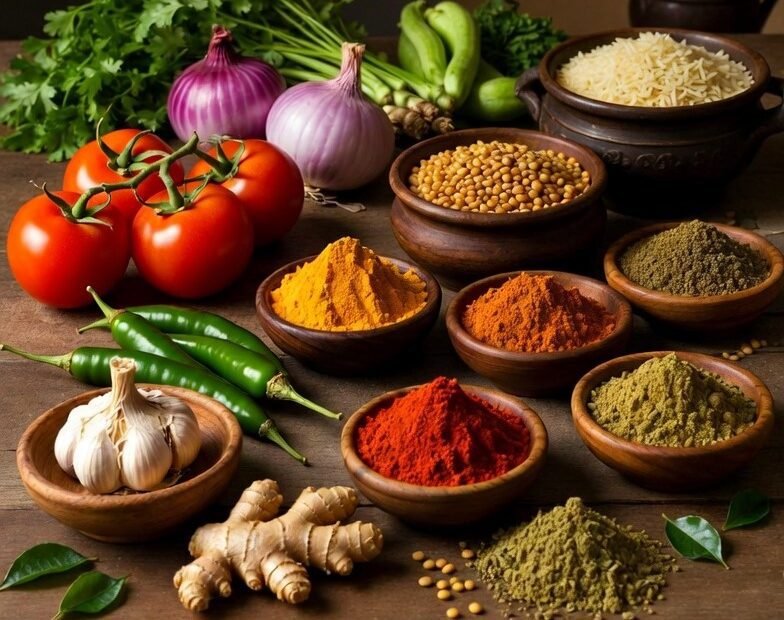
In a traditional South Indian kitchen, especially in Karnataka homes, cooking has never been only about recipes. It is about adjusting, balancing, tasting, and managing with whatever is available in the kitchen that day.
I have been cooking for more than 45 years now. From the days of grinding masalas on a stone rubbu kallu to today’s mixer grinders and induction stoves, I have seen kitchens change completely. But one thing has remained the same.
A good cook never panics when one ingredient is missing.
Young people today stop cooking the moment they realize there is no coconut or no curry leaves at home. They immediately open delivery apps or cancel the recipe altogether. In our days, there was no such luxury. If guests arrived suddenly or shops were closed, we simply adjusted with what we had.
That is how real cooking knowledge develops.
Over the years, I learned that every South Indian kitchen has smart substitutes hiding quietly inside steel dabbas and old spice containers. Many times, the substitute tastes just as good, and sometimes even better.
Cooking is not mathematics. It is anubhava — experience.
When There Is No Fresh Coconut
In many Karnataka homes, fresh coconut is almost like oxygen in the kitchen. Chutney, huli, palya, kosambari, and even simple vegetable dishes often need coconut.
But there are days when the coconut turns bad after cracking it open. Sometimes the market coconut has no sweetness at all.
In those moments, roasted peanuts become a lifesaver.
Ground peanuts give wonderful body and richness to chutneys and gravies. In North Karnataka especially, peanut-based masalas are already very common. Even roasted gram (hurigadale) works beautifully for chutney.
Sometimes I mix a little sesame seeds with peanuts for extra flavor. The taste becomes earthy and rich, especially for brinjal or capsicum dishes.
Dry coconut powder can also help in emergencies, though fresh coconut always gives the best softness.
Curd Instead of Tamarind
In South Indian cooking, tamarind gives sourness to dishes like sambar, rasam, and gojju. But many old Karnataka homes also use curd for sourness in certain dishes.
If tamarind finishes suddenly, slightly sour curd works surprisingly well in many gravies.
For dishes like:
- Majjige huli
- Tambli
- Vegetable gravies
- Certain saaru varieties
curd creates gentle sourness without overpowering the dish.
My mother used to say, “Too much tamarind hides vegetable taste.” She preferred curd-based gravies during hot summers because they felt lighter on the stomach.
Even today, during Bengaluru summers, I still make simple curd gravies when tamarind feels too heavy.
Tomato Instead of Tamarind
Modern kitchens use tomatoes everywhere now. In older Karnataka kitchens, tomatoes were actually used less often than today.
Still, tomatoes make excellent tamarind substitutes in quick cooking.
If there is no tamarind soaked and guests are waiting for lunch, chopped tomatoes can save the day. Their natural acidity works nicely in:
- Quick sambar
- Rasam
- Vegetable curry
- Chitranna variations
Tomato gives fresher sourness compared to tamarind’s deeper flavor.
Sometimes mixing both creates beautiful balance.
Rice Flour Instead of Besan
Many South Indian snacks need besan flour, but rice flour quietly solves many problems when besan finishes unexpectedly.
Rice flour helps with:
- Crispy coating
- Thickening gravies
- Binding vegetable mixtures
- Making dosa crispier
When making bajji batter without enough besan, adding rice flour creates excellent crunch.
In our home, we even add a little rice flour into dosa batter during rainy season because it improves texture beautifully.
Ajjis know these small tricks very well.
Poha Instead of Bread Crumbs
Young people today use packaged bread crumbs for cutlets and snacks. In older kitchens, we rarely bought such things.
Flattened rice (avalakki or poha) works wonderfully instead.
Dry poha can be powdered and used for:
- Binding cutlets
- Thickening mixtures
- Crispy coating
- Softening dosa batter
Thick poha especially absorbs moisture nicely without making dishes heavy.
In many Karnataka homes, poha quietly becomes backup support for many recipes without anyone noticing.
Jaggery Instead of Sugar
In old South Indian kitchens, jaggery was always more respected than white sugar.
Even today, many Kannadiga homes use jaggery in:
- Sambar
- Saaru
- Chutneys
- Sweet dishes
- Kosambari
If sugar finishes, jaggery easily replaces it in tea, coffee, and desserts.
But jaggery also adds depth beyond sweetness.
A tiny piece in sambar balances spice and tamarind beautifully. My husband always said my huli tasted better because I never forgot that little touch of jaggery.
Cooking is often about balancing flavors gently, not making one flavor dominate.
Lemon Instead of Tamarind or Vinegar
Lemon becomes emergency rescue in many kitchens.
No tamarind? Add lemon at the end.
No vinegar for pickling? Lemon helps.
Lemon gives freshness that tamarind cannot always provide. It works especially well in:
- Chitranna
- Rasam
- Salads
- Vegetable stir fry
- Quick chutneys
One important thing is never boiling lemon juice too much. Add it after switching off the flame. Otherwise bitterness sometimes develops.
These are the small things experience teaches slowly.
Curry Leaves Alternatives
South Indians love curry leaves deeply. The smell of curry leaves touching hot oil is enough to make people hungry immediately.
But there are days when the curry leaf plant dries up or the market leaves look old.
In such moments, coriander leaves help bring freshness. Though the flavor is different, coriander still adds aroma and color to many dishes.
Sometimes I also increase garlic slightly when curry leaves are unavailable because garlic adds warmth and depth.
Still, no substitute fully replaces fresh curry leaves. Some ingredients are simply too special.
Coconut Milk Alternatives
Many younger cooks now use packaged coconut milk regularly for curries and gravies.
If coconut milk is unavailable, mixing milk with ground cashews creates similar richness.
Even peanut paste with warm milk gives body to gravies beautifully.
In village kitchens long ago, people rarely used packaged products. Everything came from adjusting ingredients naturally available nearby.
That knowledge made cooking flexible instead of rigid.
Green Chilies and Red Chili Balance
Some days green chilies become too expensive or unavailable. Other times dry red chilies finish unexpectedly.
Experienced cooks know how to balance both.
Green chilies bring fresh sharp heat. Red chilies bring deeper warmth and color.
If one is missing, adjusting the other carefully still creates delicious food.
In my kitchen, I often combine:
- Green chili for freshness
- Red chili powder for color
- Black pepper for deeper heat
That combination gives fuller flavor than relying on only one spice.
Thickening Gravies Without Cornstarch
Many modern recipes use cornstarch for thickening. Traditional South Indian kitchens managed perfectly without it for generations.
We used:
- Coconut paste
- Roasted gram
- Rice flour
- Cashew paste
- Dal paste
These ingredients not only thicken but also improve taste naturally.
Cornstarch thickens quickly, but traditional ingredients create better flavor.
Ginger-Garlic Paste Shortcuts
Fresh ginger-garlic paste always tastes best. But busy kitchens sometimes need shortcuts.
When ginger finishes, garlic alone still gives warmth.
When garlic finishes, crushed ginger with green chili creates strong flavor for many dishes.
Even dry ginger powder occasionally helps in emergency situations.
Old-style cooking always depended more on understanding flavor families rather than blindly following recipes.
Buttermilk Instead of Cream
In many American-style recipes today, cream appears everywhere. Traditional Karnataka kitchens rarely depended on heavy cream.
Buttermilk creates lightness while still adding richness.
It works beautifully in:
- Gravies
- Kadhi-style dishes
- Marinades
- Vegetable curries
Especially during summer afternoons, buttermilk-based dishes feel cooling and comforting.
My grandchildren now ask for pasta with cream sauces, but secretly I still prefer simple majjige huli with hot rice.
The Wisdom of Leftover Ingredients
Older South Indian kitchens wasted almost nothing.
Leftover rice became:
- Chitranna
- Akki rotti
- Mosaranna
- Dose batter
Extra idlis became:
- Fried idli
- Upma
- Masala snacks
Slightly sour dosa batter became wonderful uttappa.
This habit came from necessity long ago, but today it also saves time and money.
A smart cook sees possibilities where others see leftovers.
Why Ingredient Flexibility Matters
Young cooks often feel nervous when recipes do not go exactly as planned.
But real home cooking has always been about adjustment.
One vegetable changes. One ingredient finishes. Guests arrive unexpectedly. The curry becomes too spicy. Salt increases accidentally.
Experienced home cooks learn to stay calm through all of it.
That calmness is what truly defines a seasoned kitchen.
After 45 years of cooking, I can say this confidently: recipes matter less than understanding ingredients.
Once you understand flavor, texture, balance, and cooking behavior, substitutions become natural.
That confidence only comes through practice, mistakes, and years of feeding people with care.
Cooking With Heart Matters More Than Perfect Ingredients
Some of the tastiest meals I ever made came from imperfect situations.
Sudden rains preventing market visits. Power cuts interrupting mixer grinding. Unexpected relatives arriving during festival mornings. Forgotten ingredients discovered halfway through cooking.
Yet somehow, food still reached the table warm and satisfying.
Because cooking is never only about ingredients.
It is about patience, adjustment, and preethi — cooking with affection.
That is the real secret hidden inside old South Indian kitchens.
Not perfection.
Just experience, instinct, and the quiet confidence to say, “Paravagilla, we will manage with what we have.”