I still remember the afternoon when the doctor looked at me over his glasses and said, “You must start controlling your sugar levels now.”
I was around fifty at that time, still running a busy household, cooking three meals a day, taking care of children, guests, relatives, and endless responsibilities. Like many Indian women of my generation, I always fed everybody first and worried about myself last.
At first, I felt frightened.
In those days, hearing the word “diabetes” sounded almost like a punishment. People immediately started saying things like, “No rice now,” “No sweets forever,” or “Life will become very difficult.”
But slowly, over the years, I learned something important.
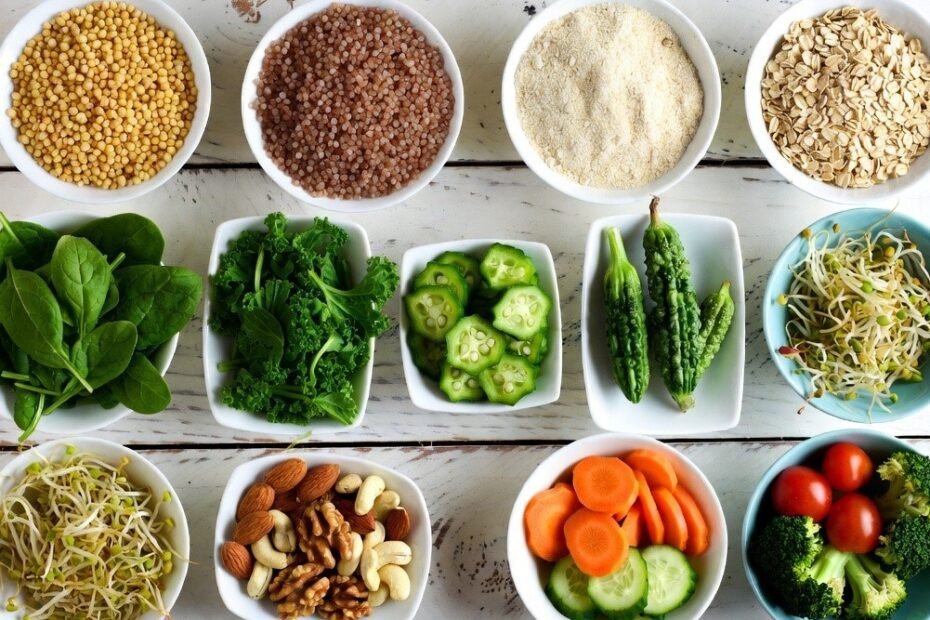
Managing diabetes is not about starving yourself or living without joy. It is about understanding food better. Indian kitchens actually contain many wonderful foods that help control blood sugar naturally when eaten properly.
Today I am seventy-four years old. I have lived with diabetes for many years now, and I have learned through experience that simple home-cooked Indian food often works far better than fancy diets.
The real secret is balance, timing, moderation, and choosing ingredients wisely.
Learning to Respect Food Instead of Fearing It
When people first discover they have diabetes, they often become scared of food itself.
They stop eating properly, skip meals, or suddenly follow extreme diets they saw on television or social media. This usually creates weakness, frustration, and more health problems.
I made mistakes too in the beginning.
Some days I ate too little because I feared sugar spikes. Other days I became careless during festivals and family functions. Slowly, through experience, doctor visits, and observing my own body carefully, I understood that controlling diabetes depends more on consistency than perfection.
Certain Indian foods help the body stay fuller longer, digest slowly, and avoid sudden rises in blood sugar.
Many of these foods have existed in our kitchens for generations.
Ragi Became My Morning Friend
One of the best changes I made was bringing ragi back into my diet regularly.
In my childhood, many Karnataka and South Indian homes ate ragi often because it was affordable, filling, and nourishing. Later, people slowly moved toward polished rice, bakery foods, and packaged breakfast items.
But after diabetes entered my life, I returned to simple foods from earlier days.
Ragi helps because it digests slowly and keeps the stomach satisfied for longer. Whenever I eat ragi mudde, ragi dosa, or even simple ragi porridge in moderate portions, my sugar levels remain more stable compared to eating large amounts of white rice.
More importantly, ragi gives steady energy without making me feel heavy.
At my age, that matters greatly.
Moong Dal Became Easier on My Body
As people grow older, digestion changes quietly.
Heavy meals that once felt normal start causing discomfort. Fried foods sit heavily in the stomach. Very spicy meals feel exhausting instead of enjoyable.
Moong dal became one of the gentlest and healthiest foods in my kitchen.
It cooks quickly, digests easily, and does not create sudden heaviness after meals. Simple moong dal khichdi with vegetables became one of my favorite comfort foods during difficult health periods.
Unlike restaurant food loaded with oil, homemade dal nourishes the body softly.
Many diabetic people think healthy food must taste boring. But properly cooked dal with cumin, garlic, curry leaves, and light tempering tastes deeply comforting.
Sometimes simplicity itself becomes medicine.
Bitter Gourd Slowly Became Less Bitter
I used to dislike bitter gourd when I was younger.
Like many children and adults, I found the bitterness unpleasant. But after diabetes entered the family, bitter gourd started appearing more often in our meals.
At first I ate it unwillingly.
Then slowly, I learned different ways to prepare it properly. Light stir-frying with onions, adding it into sambar, stuffing it with masala, or combining it with dal made the bitterness softer and more enjoyable.
Bitter gourd does not magically cure diabetes the way some people claim, but it can support blood sugar management when included regularly as part of balanced meals.
More importantly, it reminds us that not every healthy food must taste sweet or rich immediately. Sometimes the body quietly learns to appreciate foods that truly support health.
Curd Rice Changed Its Role in My Life
In South Indian homes, curd rice is almost emotional comfort food.
But after diabetes, I had to change the way I ate it.
Earlier, I would eat large portions of soft white rice mixed generously with curd. Slowly, I learned to reduce the rice quantity and increase healthier additions like cucumber, grated carrot, coriander, curry leaves, and pomegranate.
Sometimes I even replaced part of the rice with millets.
Curd itself remained valuable because it supports digestion and feels cooling, especially during Indian summers.
The lesson I learned was this: many traditional foods are not unhealthy by themselves. Portion size and balance matter more.
Fenugreek Seeds Became Part of My Routine
Every Indian grandmother seems to know some small food habit that quietly supports health.
For me, fenugreek seeds became one such habit.
I started soaking small amounts overnight and eating them in the morning or adding them into dosa batter, curries, and vegetable dishes.
Fenugreek helps digestion and supports better sugar control for many people when consumed regularly in moderate amounts.
But what I appreciate most is how naturally it fits into Indian cooking. Nothing complicated is required.
Many healthy habits become sustainable only when they blend easily into everyday life.
Vegetable Sabzis Became More Important Than Rice
One major change diabetes brought into my life was reducing the importance of rice in my plate.
Earlier, rice occupied most of the meal while vegetables stayed on the side.
Now vegetables became the center of the plate instead.
Beans, bottle gourd, ridge gourd, cabbage, spinach, cauliflower, carrot, bhindi, and pumpkin slowly became everyday companions in the kitchen.
Simple home-style sabzis cooked with less oil helped me stay full without increasing sugar levels too quickly.
I also noticed something surprising over the years.
The more natural and simple the food, the better the body responded.
Fresh vegetables cooked at home always made me feel lighter than packaged “diabetic snacks” from stores.
Sprouts Taught Me That Healthy Food Can Feel Fresh
When I was younger, sprouts were not common in our daily meals.
Now I regularly include sprouted moong, chana, and mixed legumes in salads, chaat, and light breakfasts.
Sprouts provide protein, fiber, and freshness without heaviness.
During evening hunger, instead of fried snacks, a bowl of sprouts with onions, tomatoes, coriander, and lemon keeps me satisfied for much longer.
At seventy-four, I no longer eat for taste alone.
I eat for energy, digestion, sleep, and overall comfort.
That change in thinking becomes important with age.
Oats Entered My Traditional Kitchen Slowly
For many years, I considered oats foreign hospital food.
I could not imagine enjoying them.
But my granddaughter once prepared savory oats upma with vegetables, curry leaves, mustard seeds, and green chilies. To my surprise, it tasted comforting and familiar.
Over time, oats became one more useful ingredient in my kitchen.
The important thing is preparing them in Indian style rather than turning them into bland diet food.
With vegetables and light spices, oats become filling without creating heavy sugar spikes.
Even at my age, I still believe healthy food should feel enjoyable and satisfying.
Otherwise people cannot continue eating it consistently.
Nuts Helped Me Control Sudden Hunger
One problem many diabetic people face is sudden hunger between meals.
Earlier, I would automatically reach for biscuits, mixture, or sweet tea snacks. Those habits quietly increased sugar fluctuations over time.
Now I keep small portions of almonds, walnuts, peanuts, or roasted chana nearby instead.
They control hunger better and prevent overeating later.
Of course, moderation matters here too.
Even healthy foods become problematic in excess.
That is one lesson age teaches very clearly.
Simple Soups Became Evening Comfort
As I grew older, heavy dinners became difficult.
Large night meals disturbed sleep and digestion. Sugar readings also stayed higher the next morning.
So I slowly moved toward lighter evening meals.
Vegetable soups, lightly sautéed paneer, dal soups, and simple stir-fried vegetables became more common at dinner.
This one habit alone improved my comfort greatly.
The body does not need extremely heavy meals at night, especially after sixty or seventy years of age.
Simple warm food often feels far more satisfying.
Festivals Taught Me Balance Instead of Restriction
Indian life revolves around food celebrations.
Festivals, weddings, birthdays, temple visits, family gatherings — sweets and rich foods appear everywhere.
In the beginning, I thought diabetes meant permanently refusing everything sweet. That only created sadness and frustration.
Eventually I learned balance.
Small portions, slower eating, and mindful choices matter more than complete punishment.
Sometimes I enjoy one small piece of sweet during festivals and compensate by eating lighter meals earlier in the day.
Diabetes management becomes easier when life still feels emotionally normal.
Food is not only nutrition in India.
It is memory, tradition, celebration, and family connection.
What Seventy-Four Years Have Taught Me About Food
After living many decades, raising children, managing illness, and watching eating habits change across generations, I have learned one simple truth.
The body likes simplicity.
Fresh vegetables.
Balanced meals.
Moderate portions.
Home cooking.
Regular timing.
Less processed food.
More patience.
That is all.
Modern life pushes people toward packaged snacks, sugary drinks, late-night eating, and constant stress. But our traditional Indian kitchens still hold incredible wisdom if we pay attention carefully.
Diabetes may stay for life, but suffering does not have to.
With understanding, discipline, and balanced eating, it becomes possible to live peacefully, enjoy food, and care for the body gently.
Even now, at seventy-four, some of my happiest moments still happen in the kitchen — stirring dal slowly, cutting fresh vegetables in the afternoon sunlight, or sitting quietly with a simple homemade meal that nourishes both body and mind.