I thought I knew a thing or two about sandwiches. We have our subs, our roast beef joints, even the occasional lobster roll tucked into a toasted bun. But nothing—nothing—prepared me for my first Po’ Boy in New Orleans.
It was during Mardi Gras season. I had flown down for a break from the slush and gray skies, and found myself in the middle of a wild, colorful, music-soaked carnival. The energy was electric—marching bands on every corner, beads flying through the air, and brass horns slicing through the humidity. Amid the noise and excitement, my stomach led me toward a food stall tucked behind a parade route in the French Quarter. A hand-painted sign above it read simply: Po’ Boys & More.
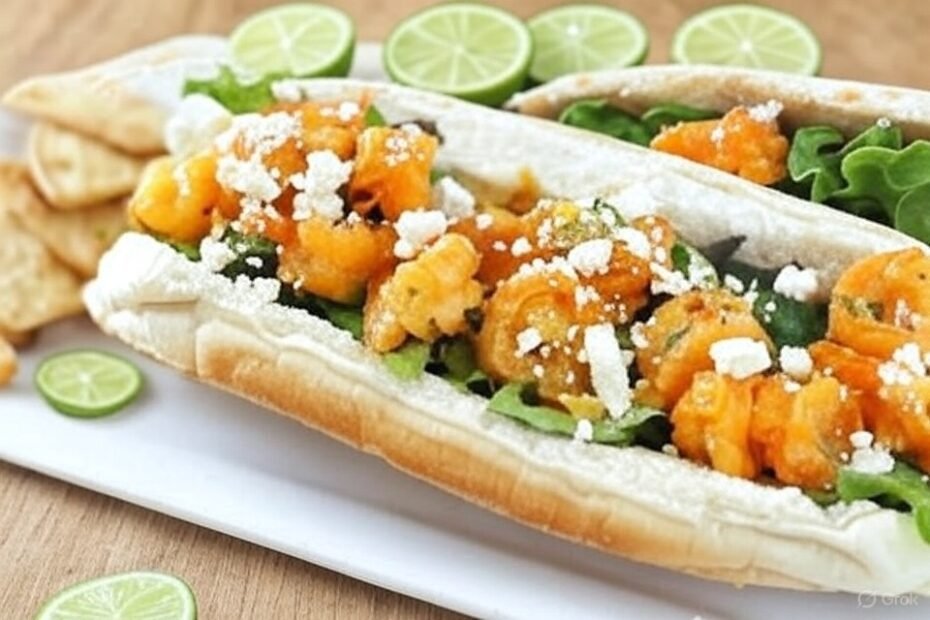
I didn’t know what I was getting into—but I stepped up and ordered a shrimp Po’ Boy on the vendor’s recommendation. A few minutes later, they handed me a sandwich that looked almost comically overstuffed: golden-fried shrimp spilling out of crusty French bread, dressed with lettuce, tomato, pickles, and a swipe of mayonnaise and hot sauce.
I took one bite and just stood there, dumbfounded. The shrimp were hot and perfectly crispy, the bread had that unmistakable New Orleans crackle-to-chew ratio, and the balance of textures and flavors—crunchy, creamy, spicy, tangy—was downright masterful. My hands were a mess. I didn’t care. It was the best sandwich I’d ever had.
So What Is a Po’ Boy?
The name “Po’ Boy” comes from “poor boy,” a term born in the 1920s during a streetcar strike when a couple of local restaurateurs started feeding unemployed workers massive sandwiches on long loaves of bread. Over time, the Po’ Boy evolved into a signature New Orleans staple, often found in both street stalls and full-on sit-down restaurants.
What sets it apart is the bread—a light, airy French loaf with a crisp outer crust and soft center, often baked specifically for Po’ Boys by local New Orleans bakeries. It’s typically “dressed” with lettuce, tomato, pickles, and mayonnaise, and filled with one of many beloved Southern ingredients.
Common Fillings Include:
- Fried Shrimp – The most iconic, often seasoned with Cajun spice and fried to perfection.
- Fried Oysters – Briny, crunchy, and luxurious.
- Roast Beef & Gravy – A meaty, savory option smothered in rich brown gravy.
- Catfish or Soft-Shell Crab – Local seafood favorites, also deep-fried.
- Hot Sausage or Ham & Cheese – Hearty options for the landlubbers.
Sometimes it’s messy, always satisfying. Many locals even argue that the gravy-drenched roast beef version is the real original Po’ Boy—not the seafood varieties tourists like me gravitate toward.
A Meal, A Memory
By the time I finished my sandwich, my hands were sticky with hot sauce and my shirt had a few new battle stains. A local guy next to me grinned and said, “That’s how you know you did it right.”
And he wasn’t wrong.
The Po’ Boy wasn’t just food—it was a taste of New Orleans in sandwich form. It was loud, unpretentious, full of flavor, and impossible to forget. As a guy who grew up thinking clam chowder and a good roast beef on onion roll were unbeatable, I’m man enough to admit: New Orleans raised the bar.
If you find yourself in the Big Easy—especially during carnival season—skip the fancy sit-down dinner. Find the nearest Po’ Boy stand, grab a cold drink, and dive into one of the city’s most unforgettable bites.
