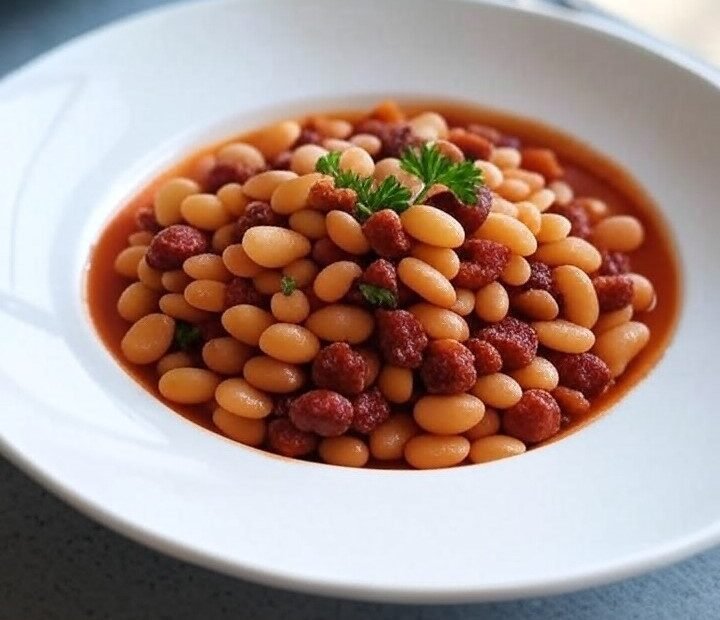
Hola, food lovers! I’m a young Spanish chef with a passion for sharing the hearty flavors of my homeland, and today I’m excited to walk you through making Fabada Asturiana—a soul-warming dish from Asturias spain. This traditional stew features creamy white beans simmered with succulent pork, spicy chorizo, and smoky morcilla (blood sausage), all bathed in a rich, flavorful broth. Growing up in a bustling Spanish kitchen, I learned to perfect this comfort food, and now I love serving it with a modern twist at my local gatherings. Let’s dive into this step-by-step recipe and bring a taste of Asturias to your table!
IngredientsFor the Stew:
- 1 lb (450g) dried white beans (fabes de la Granja, if available, or cannellini beans)
- 1/2 lb (225g) pork shoulder, cubed
- 1/4 lb (115g) pancetta or bacon, diced
- 2 chorizo sausages (about 200g), sliced
- 1 morcilla (blood sausage, about 150g), sliced
- 1 onion, finely chopped
- 2 cloves garlic, minced
- 1 bay leaf
- 1 tsp smoked paprika (pimentón)
- 1/2 tsp saffron threads (optional, for depth)
- 6 cups (1.5L) water or chicken broth
- 2 tbsp olive oil
- Salt and pepper to taste
Equipment:
- Large pot or Dutch oven
- Wooden spoon
- Colander
- Knife and cutting board
Step-by-Step Recipe for Fabada Asturiana
Step 1: Soak the Beans
As a chef who values tradition, I always start with the beans—the heart of Fabada. Rinse 1 lb of dried white beans under cold water, then soak them in a large bowl of water overnight (at least 8–12 hours). This softens them and reduces cooking time while enhancing their creamy texture. Drain and rinse again before cooking—clean beans make a cleaner stew!Chef’s Tip: If you’re short on time, a quick soak works—boil the beans for 2 minutes, then let them sit for an hour. But the slow soak is my grandma’s secret for the best flavor!
Step 2: Sauté the Aromatics
Heat 2 tbsp olive oil in a large pot or Dutch oven over medium heat. Add the chopped onion and cook for 3–4 minutes until soft and translucent. Toss in the minced garlic and sauté for another minute until fragrant. This base layer builds the stew’s soulful taste, a trick I picked up from my family’s kitchen.
Step 3: Brown the Meats
Add the cubed pork shoulder and diced pancetta to the pot, stirring for 5–6 minutes until they start to brown. The pork adds richness, while the pancetta brings a smoky depth. Next, toss in the sliced chorizo and morcilla, cooking for another 2–3 minutes. The sausages release their oils, infusing the pot with that unmistakable Spanish flair. Don’t overcrowd—let each piece get a nice sear!My Twist: I sometimes add a pinch of cayenne for a subtle kick—try it if you like a bit of heat!
Step 4: Combine and Simmer
Add the soaked beans to the pot, along with 6 cups of water or chicken broth, 1 bay leaf, 1 tsp smoked paprika, and the optional saffron threads. Stir gently to mix the flavors. Bring to a boil, then reduce to a low simmer. Cover and cook for 2–2.5 hours, stirring occasionally. The beans should become tender, and the broth should thicken as the meats release their goodness.Chef’s Note: Check the water level—add a splash more if it gets too thick. The goal is a hearty, cohesive stew.
Step 5: Season and Rest
Once the beans are soft and the flavors melded, remove the bay leaf. Taste and adjust with salt and pepper—go easy on the salt at first, as the meats are already savory. Turn off the heat and let the Fabada rest for 15–20 minutes. This resting period allows the flavors to settle, making every bite even better.
Step 6: Serve with Pride
Ladle the Fabada into deep bowls, ensuring each serving has a mix of beans, pork, chorizo, and morcilla. The rich, reddish broth should coat everything beautifully. I like to sprinkle a little extra smoked paprika on top for color and serve it with crusty bread to soak up the goodness. It’s a feast that warms the soul!Serving Suggestion: Pair it with a glass of Asturian cider or a robust red wine for the full experience.
Nutrition and Health Benefits
Fabada Asturiana is a hearty, protein-rich dish that’s perfect for a cold day. The white beans provide about 15g of protein and 10g of fiber per 100g, aiding digestion and keeping you full. The pork, pancetta, chorizo, and morcilla contribute another 15–20g of protein per serving, along with iron and B vitamins, though they also add fat (around 15–20g, mostly saturated). The broth is low in carbs (about 5–7g per serving) but high in sodium due to the cured meats—moderation is key!
Nutrition per 200g serving (approximate):
- Calories: 300–350 kcal
- Protein: 15–20g
- Fat: 15–20g
- Carbohydrates: 5–7g
- Sodium: 800–1000mg (varies with meats)
Caution: This is a rich dish, so enjoy it as part of a balanced diet, especially if you’re watching sodium or fat intake.
Prep Time and Cook Time
- Prep Time: 15 minutes (plus 8–12 hours for soaking beans)
- Cook Time: 2.5–3 hours
- Total Time: About 3–3.5 hours (including soaking)
Tips for Success
- Bean Quality: Use the best white beans you can find—fabes de la Granja are traditional, but any large white bean works.
- Meat Balance: Don’t skimp on the meats—each adds a unique flavor, but too much can overpower the beans.
- Low and Slow: Patience is key—simmering low ensures tender beans and a thick broth.
- Spanish Soul: Embrace the rustic vibe—Fabada isn’t fussy, so don’t stress about perfection!
Final Thoughts
Making Fabada Asturiana takes me back to my Spanish roots, where family gatherings revolved around this steaming pot of goodness. As a young chef, I love sharing this recipe to bring a piece of Asturias to your kitchen. The creamy beans, savory meats, and smoky broth create a dish that’s both comforting and bold. Whether you’re new to Spanish cuisine or a longtime fan, this stew is a labor of love worth every minute.
