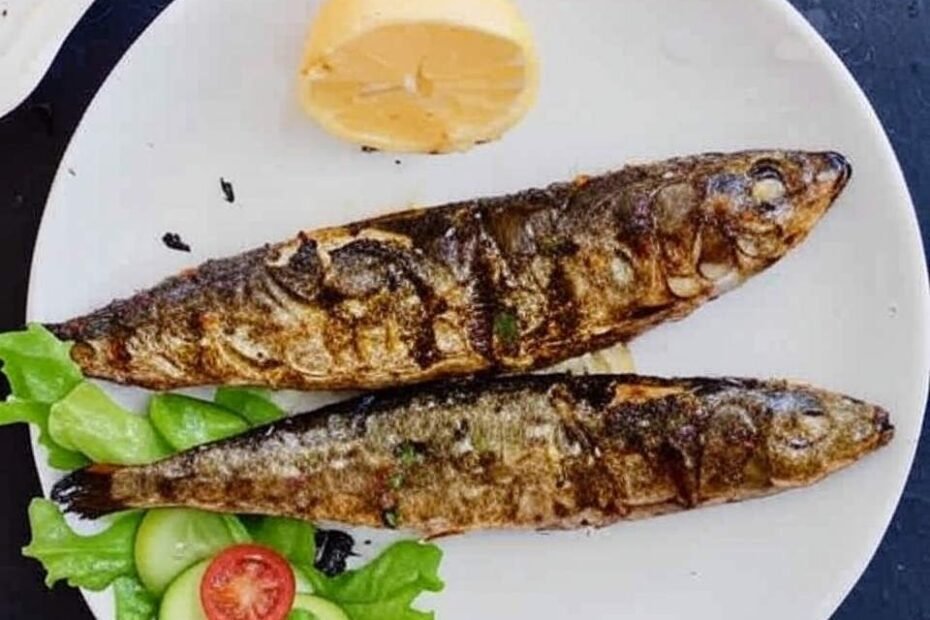
When the warm wind blows in from the Atlantic, and Lisbon’s hills smell like charcoal and sea water, you know summertime has arrived in Portugal. And in summertime, nothing represents Portugal more than Sardinhas Assadas — grilled sardines, salted simply, served with boiled potatoes, roasted peppers, bread, and a cold drink.
Sardinhas Assadas is not just food.
It is culture.
It is social ritual.
It is a national mood.
If Francesinha represents the indulgence of Porto, and Polvo à Lagareiro represents the sophistication of olive-oil-based coastal cooking, then Sardinhas Assadas represents the most essential Portuguese flavour profile: authentic ocean salt + fire.
This is a dish that is so simple that many tourists do not understand how deep it is.
But simplicity in Portuguese cooking is not laziness.
It is confidence.
You do not hide sardines behind sauces here.
You bring their true flavour forward.
This article will explain the dish deeply — its cultural roots, how Portuguese people serve it, the correct technique to grill sardines Portuguese-style, and a step by step recipe you can make at home even if you live far away from the Atlantic.
Why Sardinhas Assadas is special
Portugal is one of those rare countries that still maintains an emotional connection to the sea. Fishing villages still function. Old men still drink coffee after dawn, right after unload. Whole towns still plan summer around Santos Populares festivals.
And in those festivals — you will see hundreds of street grills smoking with sardines.
Sardinhas Assadas is eaten at:
- street festivals (especially in Lisbon’s Alfama)
- small tascas (taverns)
- beach restaurants
- backyard summer lunches
Even people who are not huge fish eaters, still look forward to Sardinhas season.
This is true seasonal food.
Fresh sardines are best between June to August when the fish are fattier, oilier, deeper in flavour.
The Portuguese approach is:
Respect the fish, don’t hide the fish.
So seasoning is minimal: basically salt.
And olive oil is used only for the side vegetables.
How Sardinhas Assadas is served traditionally
Usually like this:
- Sardines: grilled on charcoal, over open flame
- Potatoes: boiled until soft, sometimes cracked open to absorb flavor
- Peppers: roasted until blacked, then peeled and sliced
- Bread: always present, to absorb juices
- Olive oil: high-quality, generously poured over potatoes and peppers
- Salt + lemon: optional touch at the table
And here is a fun detail:
You do not fillet sardines in Portugal.
You eat them whole on bread.
You place the sardine on top of a slice of bread, eat it with your hands, and the bread absorbs the drippings.
That juice-soaked bread is actually considered the “bonus”.
Some travellers find this strange.
But this is how locals do it.
Step-by-step Sardinhas Assadas Recipe
Serves: 4 people
Prep time: 25 minutes
Cook time: 15–20 minutes
Skill level: Beginner friendly, but grilling attention is needed
Ingredients
- 12 fresh sardines (whole, cleaned if possible)
- Sea salt (coarse)
- 6–8 medium potatoes
- 2–3 red bell peppers (or mixed red + yellow)
- 3–4 garlic cloves (minced or thinly sliced)
- Extra virgin olive oil (¼ cup or more)
- Lemon wedges (optional)
- Fresh parsley (optional)
Equipment
- A grill (charcoal is the best, gas grill or grill pan works)
- Tongs or fish spatula
- Pot for boiling potatoes
Step 1 – Prepare the vegetables
- Wash potatoes but leave skin on.
- Put in a pot, add water, salt lightly, bring to a boil.
- Boil till soft — around 18–20 minutes. Drain. Keep aside.
- Roast peppers: put them on the grill (or oven) until skin becomes charred.
- Remove skin, slice into strips.
- Toss peppers with olive oil, garlic, salt. Keep aside.
These vegetables will absorb the fish juices later.
Step 2 – Prepare the sardines
Rinse sardines gently. Pat dry.
Salt them liberally — not small pinch, but confidently coat them.
This heavy salting is important — it helps draw out moisture so the skin crisps on the grill.
Do this 15–20 minutes before grilling.
Step 3 – Grill the sardines
Heat grill till very hot.
Place sardines directly on the grill grate.
Do not oil the fish — just oil the grill lightly.
Cook about 3–4 minutes each side.
Avoid flipping too many times — sardines are delicate.
Look for:
- skin crispy
- flesh flaky
- light golden char marks
Charcoal flavour is key. If using gas stove or grill pan, still try to get good sear.
Step 4 – Assemble and serve
On a platter:
- place sardines
- put boiled potatoes (cracked open lightly)
- arrange roasted peppers
- drizzle olive oil lightly on vegetables
- sprinkle parsley if you like
- serve lemon wedges on side
Serve bread on the side to catch juices.
Eat immediately — sardines are best when eaten hot off the grill.
Taste and Texture description
Sardinhas Assadas tastes like:
- sea salt
- clean fish oil
- gentle smoke
- faint sweetness from peppers
- soft creamy potato in contrast
This is honest food.
No tricks.
Nutrition
Approx per serving:
| Component | Estimated Amount |
|---|---|
| Calories | 350–450 kcal |
| Protein | High (fish protein) |
| Fat | Medium-high (healthy fish oil + olive oil) |
| Carbs | Medium (potatoes + bread) |
Sardines are also rich in:
- Omega-3 fatty acids
- Vitamin D
- Calcium (if you eat the small bones)
- B12
This meal is actually extremely nutritious — far more than many modern processed foods.
Why this dish is excellent for home cooks
One reason this dish spread through Portugal is that it is fast + scalable.
If you have 2 friends — grill a few sardines.
If you have 10 cousins over — grill 25 sardines.
Vegetables are prepared ahead and sit well at room temperature.
Grill gets hot once — rest is fast.
Also this dish uses very few ingredients — so budget friendly.
What makes Sardinhas Assadas different from Indian fish recipes?
As an Indian we are used to:
- masala
- spice layers
- marination
- frying techniques
Portuguese Sardinhas flips that.
Here the fish is the hero — not the seasoning.
This dish teaches minimalism.
It teaches us to trust natural flavour.
In a way, it is like the opposite of Goan recheado masala fish fry — but both are delicious.
Can you substitute sardines?
If sardines are not available, these are acceptable:
- mackerel (very close in oiliness)
- small herring
- small Indian bangda (also very good!)
But ideally fresh sardines give the exact cultural flavour.
Frozen sardines won’t give same texture — but acceptable for practice.
Final thoughts
Sardinhas Assadas is not just a dish — it is a slice of Portuguese summer.
When you grill sardines, you somehow join a giant invisible community of Portuguese families, festival vendors, seaside grandmothers, Lisbon taverns, and friendly strangers who laugh over cold beer and fresh grilled fish.
