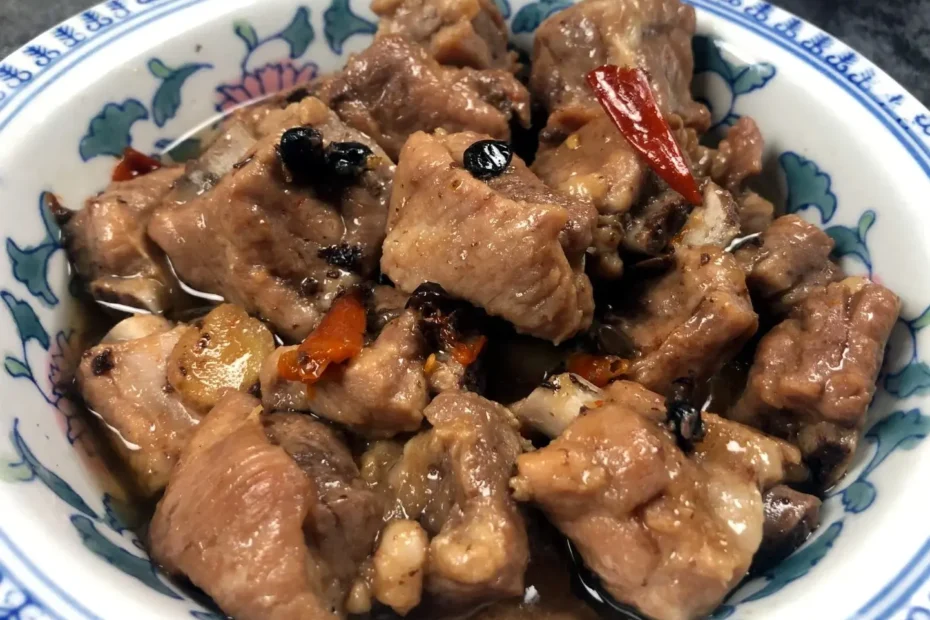
Few dishes capture the quiet elegance of Guangdong cuisine quite like Steamed Spare Ribs with Fermented Black Beans. Known in Cantonese kitchens as a staple of home dining and dim sum tables alike, this dish perfectly represents the region’s philosophy: allow the ingredient to speak, enhance it gently, and never overwhelm its natural character. Tender ribs, infused with the deep, savory aroma of fermented black beans, steam slowly until every bite becomes rich, juicy, and layered with umami.
This is not a flashy dish. There is no aggressive frying, no heavy sauce coating, and no overpowering spice. Instead, it invites you into a softer culinary experience where the fragrance of garlic, ginger, and fermented beans delicately mingles with the sweetness of pork. It is comforting, deeply traditional, and surprisingly refined in its simplicity.
In this blog-style deep dive, we explore the story, flavors, technique, and an authentic step-by-step recipe for making Steamed Spare Ribs with Fermented Black Beans in true Guangdong style.
A Glimpse into Guangdong’s Steaming Tradition
Guangdong, also known as Canton, is famous for its mastery over steam. Steaming here is not just a cooking method; it is a culinary philosophy. The goal is to preserve moisture, highlight natural flavors, and maintain the integrity of the ingredient. Meat remains tender, vegetables vibrant, and spices precise.
Fermented black beans, known locally as “douchi,” are a cornerstone of Cantonese flavoring. Made by fermenting salted soybeans, they develop a pungent aroma and salty depth that instantly enhances meat dishes. When combined with pork ribs, the beans penetrate the meat during steaming, creating a balance of savory, slightly tangy, and subtly sweet flavors.
Steamed spare ribs with black beans often appear on dim sum menus, served in shallow metal dishes that trap the flavorful juices. At home, it is a popular comfort meal, usually paired with plain rice that absorbs every drop of the aromatic sauce.
Flavor Profile: What Makes This Dish Special
The beauty of this dish lies in its balance:
- The pork ribs bring natural richness and gentle sweetness.
- Fermented black beans add bold umami and a hint of saltiness.
- Garlic and ginger introduce warmth and fragrance.
- Light soy sauce and Shaoxing wine (or rice wine) enhance complexity.
- A touch of sugar smooths the edges, creating harmony.
The final result is tender meat that almost slides off the bone, coated in a glossy, fragrant sauce that feels both light and deeply satisfying.
Ingredients for Authentic Steamed Spare Ribs with Fermented Black Beans
For the ribs:
- 750 g pork spare ribs, cut into bite-sized pieces
- 2 tablespoons fermented black beans (rinsed and lightly mashed)
- 1 tablespoon minced garlic
- 1 tablespoon grated fresh ginger
- 1 tablespoon light soy sauce
- 1 tablespoon oyster sauce
- 1 tablespoon Shaoxing wine or rice wine
- 1 teaspoon sugar
- 1 teaspoon sesame oil
- 1 teaspoon cornstarch
- 2 tablespoons water
- Fresh spring onions for garnish
Optional additions:
- Red chili slices for mild heat
- Thinly sliced bell peppers for color and light sweetness
Step-by-Step Recipe: Traditional Cantonese Method
Step 1: Prepare the Ribs
Begin by washing the pork ribs under cold water. Soak them for 20–30 minutes, changing the water once or twice. This helps remove excess blood and keeps the flavor clean.
Drain and pat dry thoroughly using a kitchen towel. Dry ribs absorb marinade better and produce a more flavorful result.
Step 2: Prepare the Black Beans
Rinse the fermented black beans gently to remove excess salt. Place them on a chopping board and lightly crush them with the back of a knife or a spoon. This releases their intense aroma and allows the flavor to disperse evenly during steaming.
Step 3: Create the Marinade
In a bowl, combine:
- Crushed black beans
- Minced garlic
- Ginger
- Soy sauce
- Oyster sauce
- Shaoxing wine
- Sugar
- Sesame oil
- Cornstarch
- Water
Mix well to form a thick, glossy marinade.
Step 4: Marinate the Ribs
Add the ribs to the marinade and massage gently so every piece is coated. Cover and refrigerate for at least 1 hour, though 3–4 hours will deepen the flavor significantly.
Step 5: Arrange for Steaming
Transfer the marinated ribs into a shallow heatproof dish. Spread them evenly so steam can circulate around each piece.
Optional: Place thin slices of chili or bell pepper over the ribs for visual appeal and subtle flavor contrast.
Step 6: Steam Slowly
Bring water to a steady boil in a steamer or wok with a steaming rack. Place the dish of ribs inside, cover, and steam for 35–45 minutes.
Check occasionally and ensure the water does not run dry. The ribs should become tender and slightly springy when pressed.
Step 7: Final Touch
Remove the dish from the steamer and sprinkle freshly chopped spring onions on top. Let the ribs rest for a couple of minutes before serving to allow the sauce to settle.
Serve hot with steamed jasmine rice or plain white rice.
Serving Style and Pairing Suggestions
Steamed Spare Ribs with Fermented Black Beans are usually served family-style in Guangdong homes. A central dish, meant to be shared, it pairs beautifully with:
- Steamed rice
- Light stir-fried greens
- Simple clear soups
- Braised tofu dishes
The sauce produced during steaming is incredibly flavorful, and many consider it the true heart of the dish. Spoon it generously over rice for an authentic Cantonese experience.
Nutrition Overview
Though deeply flavorful, this dish remains relatively balanced due to the steaming method and absence of heavy oils.
Estimated values per serving:
- Calories: 380–420 kcal
- Protein: 25–30 g
- Fat: 28–32 g
- Carbohydrates: 6–8 g
- Sodium: Moderate due to fermented black beans and soy sauce
Health highlights:
- High in protein essential for muscle maintenance
- Steaming preserves nutrients without additional fats
- Fermented black beans contribute beneficial probiotics
- Ginger aids digestion and adds anti-inflammatory properties
To make it lighter, trim visible fat from ribs and reduce sauce quantity slightly.
Prep Time and Cook Time
Prep Time:
30 minutes (including soaking and cleaning ribs, + marination not counted)
Marination Time:
1 to 4 hours recommended
Cook Time:
35–45 minutes steaming
Total Time:
Approximately 2 to 5 hours including marination
Cooking Tips for Best Results
- Always use fresh ribs with a good balance of fat and meat
- Do not skip rinsing the black beans, as they are naturally salty
- Keep the ribs in a single layer while steaming
- Avoid over-stirring once ribs are marinated to retain texture
- Use a shallow dish to collect and preserve flavorful juices
Cultural Importance in Cantonese Cuisine
Beyond taste, this dish represents the Cantonese belief in subtle perfection. It is often associated with family lunches, quiet evenings, and the slow pace of traditional Chinese cooking. You will find it equally at a bustling dim sum restaurant and a modest household kitchen.
The aroma of black beans and pork slowly releasing into the air during steaming feels like a reminder of tradition, time, and patience; three values deeply cherished in Guangdong’s culinary heritage.
Why This Dish Continues to Endure
Steamed Spare Ribs with Fermented Black Beans is not trendy, but timeless. It does not chase novelty but instead refines what already works. That is why it remains a beloved dish across generations.
Its strength lies in its ability to comfort without heaviness, to satisfy without excess, and to showcase the brilliance of simple ingredients treated with respect.
Final Thoughts
Steamed Spare Ribs with Fermented Black Beans is more than a recipe. It is a reflection of Cantonese wisdom, subtlety, and culinary discipline. It teaches patience and rewards attention. Whether served for family meals or celebratory occasions, this dish embodies warmth and tradition.
Preparing it at home allows you to experience the heart of Guangdong cuisine in its purest form. With every tender rib and aromatic spoonful of sauce, you connect to centuries of cooking culture that values flavor, harmony, and quiet excellence.
