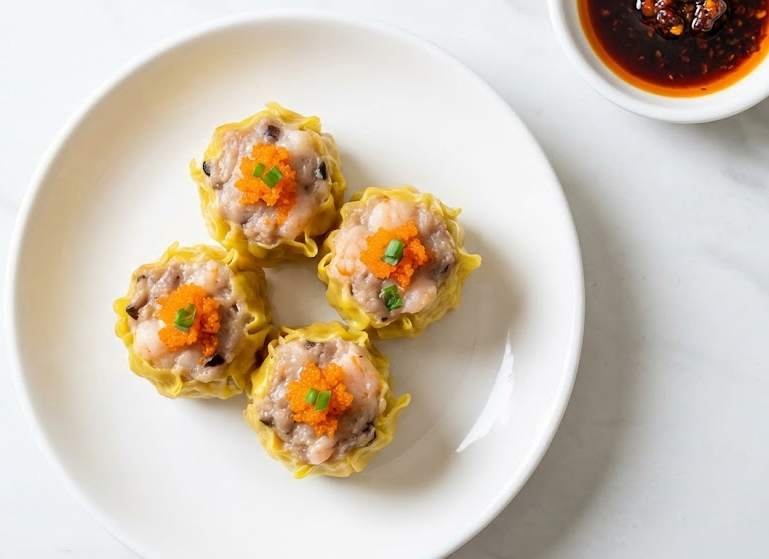
Siu Mai, also written as Shumai, is one of the most recognizable dishes from Guangdong’s dim sum tradition. These open-top dumplings, filled with a savory blend of pork, shrimp, mushrooms, and seasonings, are a cornerstone of Cantonese tea houses. Any dim sum experience feels incomplete without a steaming bamboo basket of Siu Mai, their bright yellow wrappers and plump filling enticing diners from the moment they arrive at the table.
Though Siu Mai seems simple at first glance, this iconic dish is a reflection of Cantonese cooking philosophy: gentle seasoning, carefully balanced textures, and an emphasis on freshness. In this article, you will learn the history of Siu Mai, what makes it unique, and how to prepare a truly authentic batch at home with a clear, step-by-step recipe. With a bit of practice, you can bring the flavors of a Guangzhou tea house straight into your kitchen.
The Origins and Significance of Siu Mai
Siu Mai has existed for centuries and originally emerged from northern China. However, the Cantonese version, refined in Guangzhou and Hong Kong, became the most globally recognized style. Unlike the northern wheat-flour dumplings, Cantonese Siu Mai uses thin, yellow egg-based wonton wrappers, which give the dumpling its signature open-top appearance.
Cantonese dim sum chefs consider Siu Mai, along with Har Gao (shrimp dumplings), part of the “big four” dim sum essentials. These dishes often serve as a test of a kitchen’s technical expertise. A perfect Siu Mai should stand upright, with a tender yet bouncy filling and a wrapper that hugs the meat without becoming soggy. The top is sometimes garnished with a tiny amount of crab roe or carrot, adding a touch of color.
Understanding Siu Mai’s Flavor and Texture
What sets Cantonese Siu Mai apart is the interplay between flavors and textures. The pork provides richness and a soft bite, while the shrimp introduces sweetness and a springy chewiness. Shiitake mushrooms bring a subtle earthiness, and light seasonings tie everything together without overpowering the natural taste of the ingredients.
The texture of the pork is especially important. Instead of using finely ground pork, dim sum chefs prefer coarsely chopped pork shoulder or pork belly. This helps create the signature juicy and slightly bouncy texture that diners expect from high-quality Siu Mai.
Prep Time and Cook Time
Prep Time: 40 minutes
Cook Time: 10 minutes
Total Time: 50 minutes
Servings: Makes 20 to 24 dumplings
Ingredients
For the Filling
- 300 g pork shoulder, finely chopped (not ground)
- 150 g shrimp, peeled, deveined, and chopped
- 4 dried shiitake mushrooms, rehydrated and minced
- 1 tablespoon light soy sauce
- 1 tablespoon oyster sauce
- 1 teaspoon sesame oil
- 1 teaspoon sugar
- 1/2 teaspoon salt
- 1/2 teaspoon white pepper
- 1 tablespoon cornstarch
- 1 tablespoon cooking wine (optional)
- 1 teaspoon grated ginger (optional)
For Assembly
- 20 to 24 round wonton wrappers (thin yellow dim sum wrappers)
- Finely diced carrot or crab roe for garnish
Step-by-Step Recipe for Authentic Cantonese Siu Mai
Step 1: Prepare the Pork
Start by choosing pork shoulder or pork belly with some fat, ideally around 20 percent fat. This ensures that the finished dumplings remain juicy and tender. Instead of grinding the pork, finely chop it with a sharp knife. The chopping process helps create a firmer, more satisfying texture.
Place the pork in a large mixing bowl.
Step 2: Chop the Shrimp
Chop the shrimp into small pieces, but leave a few slightly larger chunks. This contrast enhances the texture of the filling. Add the shrimp to the pork.
Step 3: Add Mushrooms and Seasonings
Finely mince the rehydrated shiitake mushrooms and add them to the bowl. The mushrooms provide depth and complexity, subtly enhancing the overall aroma of the dumplings.
Add soy sauce, oyster sauce, sesame oil, cooking wine (if using), sugar, salt, white pepper, cornstarch, and grated ginger. Mix everything thoroughly until the filling becomes sticky and cohesive. This tackiness indicates that the proteins have begun binding, ensuring the filling holds its shape during steaming.
Allow the filling to rest for about 10 minutes.
Step 4: Prepare the Wrappers
Use thin, round, yellow dim sum wonton wrappers. If the wrappers feel dry, lightly cover them with a damp cloth to prevent cracking.
Place a wrapper on your palm and gently form a cup shape by curling your hand.
Step 5: Fill and Shape the Siu Mai
Spoon about one tablespoon of filling into the center of the wrapper. Gather the edges of the wrapper upward, gently squeezing the filling into a cylindrical shape. Press the top and bottom lightly to firm up the form. The wrapper should cling around the filling but leave the top open.
Smooth the top of the filling with the back of a spoon. Add a tiny pinch of diced carrot or a small amount of crab roe on top for color.
Repeat until all dumplings are shaped.
Step 6: Steam the Siu Mai
Line a steamer basket with parchment paper or cabbage leaves. Arrange the Siu Mai with enough space between them to prevent sticking.
Steam over high heat for 8 to 10 minutes. When done, the pork should be fully cooked, the shrimp should be opaque, and the wrappers should appear slightly glossy.
Remove and serve immediately.
Serving Suggestions
Siu Mai is traditionally served with hot tea, often jasmine or oolong, which complements the rich flavors of the dumplings. While many enjoy Siu Mai on its own, you may also serve it with light soy sauce, chili oil, or a simple garlic-soy dipping sauce.
For a full dim sum spread, pair your Siu Mai with Har Gao, turnip cake, steamed spare ribs, chicken feet, or egg tarts.
Nutrition Information (Approximate per 4 dumplings)
- Calories: 260
- Protein: 20 g
- Carbohydrates: 16 g
- Fat: 12 g
- Sodium: 650 mg
Siu Mai is rich in protein thanks to its pork-and-shrimp base. The wrappers add moderate carbohydrates, while the fat content makes the dumplings satisfying and flavorful. Although not the lowest-calorie dim sum dish, Siu Mai is balanced enough to enjoy as part of a larger meal.
Tips for Perfect Siu Mai
Avoid Over-processing the Meat
Coarsely chopped pork creates better texture than ground pork. Ground pork can make the filling dense and pasty.
Keep the Shrimp Visible
Leaving some shrimp pieces slightly larger helps give that classic bouncy bite that Cantonese dim sum is known for.
Don’t Overstuff the Wrappers
Overfilled dumplings may fall over or break during steaming. A tablespoon of filling is usually enough.
Use High Heat for Steaming
Siu Mai needs strong steam to cook quickly and maintain its shape. Low heat may cause the wrappers to soften excessively or turn mushy.
Serve Immediately
Siu Mai tastes best fresh and hot. Allowing them to sit for too long can make the wrappers soggy.
Why Siu Mai Remains a Cantonese Favorite
Siu Mai is beloved not just for its taste but also for what it represents. Cantonese cuisine values technique, precision, and the ability to elevate simple ingredients into something memorable. Siu Mai embodies these principles. Despite using everyday ingredients like pork, shrimp, and mushrooms, the final result is refined, elegant, and deeply satisfying.
The dish also carries cultural significance. For many families, dim sum meals are a cherished weekend ritual, a time to gather around the table, share food, and enjoy each other’s company. Siu Mai, being one of the first baskets to arrive at the table, often marks the joyful beginning of the dim sum experience.
Final Thoughts
Siu Mai is more than just a dumpling; it is a symbol of Cantonese culinary craftsmanship. With its tender meat filling, delicate wrapper, and unmistakable aroma, it captures the essence of dim sum culture. Making Siu Mai at home can feel intimidating, but with patience and attention to detail, you can achieve results that rival many dim sum restaurants.
Whether you prepare it for a family brunch, a special celebration, or simply to explore the rich culinary traditions of Guangdong, Siu Mai promises a deeply satisfying and delicious experience.
