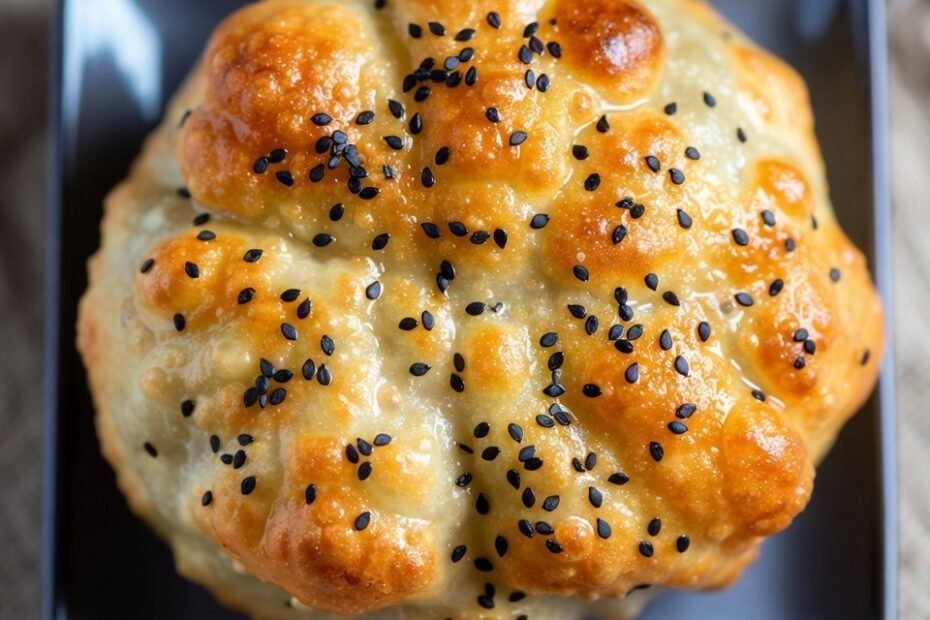
In the vast landscapes of Gansu province—where the Loess Plateau meets the ancient Silk Road—food has always been a reflection of resilience, resourcefulness, and warmth. Among the region’s many beloved snacks, Shaokezi stands out as one of the most comforting and heartwarming delicacies. These golden, crispy fried dough pockets filled with minced meat, aromatic spices, and sometimes vegetables, represent the simplicity and strength of traditional northwestern Chinese cooking.
Shaokezi is not as well-known outside Gansu as Lanzhou beef noodles or Niangpi, yet it remains a treasured everyday snack across Lanzhou, Dingxi, Tianshui, and many rural towns. It is the kind of food sold in small hole-in-the-wall shops, prepared at home during family gatherings, or cooked on festive occasions when guests arrive unexpectedly. Its appeal lies in the contrast of textures—the crispy shell, the juicy filling—and the bold, warming flavors that reflect the climate and spirit of northwestern China.
This article dives deep into the origins, cultural meaning, flavor, and step-by-step method of making Shaokezi at home, bringing the taste of Gansu straight to your kitchen.
What Is Shaokezi?
Shaokezi (烧壳子) is a traditional Gansu fried pastry. The name literally translates to “burnt shell,” referring to the crispy, blistered exterior that forms when the dough is fried. These pastries are usually hand-sized, round or oval, and filled with seasoned minced beef or lamb—though vegetable versions exist too.
Key Characteristics
- Crispy outside, soft inside
- Savory, aromatic filling
- Pan-fried or deep-fried
- Popular as breakfast, street food, or festival snacks
They resemble dumplings but are larger, flatter, and fried instead of boiled or steamed. Think of them as a cross between a Chinese meat pie and a fried baozi—but uniquely Gansu in flavor.
Flavor Profile of Shaokezi
The flavor of Shaokezi is bold, warming, and fragrant. Typical seasonings include:
- Sichuan peppercorn
- Cumin
- Onion
- Garlic
- Ginger
- Soy sauce
- A little chili
Many families in Gansu especially love the combination of lamb + onion + cumin, which gives the dish a distinctly northwestern aroma often associated with Muslim Hui cuisine, which heavily influences Gansu food culture.
The dough is simple—just flour, water, and oil—but when fried, it develops tiny bubbles that create a delightfully crisp crust.
Cultural Background and Everyday Importance
Shaokezi has existed in Gansu kitchens for generations. In older times, it was often a special treat prepared during harvest seasons or festivals, when fresh lamb or beef was available. Today, it appears everywhere—from morning markets to small restaurants to homemade breakfasts.
For rural families, Shaokezi is comfort food. Children often grow up helping roll dough, forming the pockets, or mixing the filling. In urban cities like Lanzhou, it is common to find Shaokezi as a quick grab-and-go street snack—something warm to hold in your hands on cold winter mornings.
It is also a dish symbolizing hospitality. When guests come, especially during winter, serving Shaokezi with hot tea is considered a warm gesture of welcome.
Prep Time & Cook Time
Prep Time: 45 minutes
Resting Time for Dough: 20–30 minutes
Cooking Time: 20 minutes
Total Time: About 1 hour 30 minutes
Servings: Makes 12–15 Shaokezi
Ingredients
For the Dough
- 3 cups all-purpose flour
- 1 cup warm water (approx.)
- 2 tablespoons oil
- ½ teaspoon salt
For the Filling
(Lamb version — traditional)
- 500 g minced lamb (or beef)
- 1 medium onion, finely chopped
- 2 tablespoons light soy sauce
- 1 teaspoon salt (adjust to taste)
- 1 teaspoon ground cumin
- 1 teaspoon Sichuan pepper powder
- 1–2 teaspoons chili flakes (optional)
- 1 tablespoon ginger, minced
- 1 tablespoon garlic, minced
- 2 tablespoons oil
- 2 tablespoons water (to keep filling moist)
- 1 handful chopped scallions (optional but common)
Step-by-Step Recipe: How to Make Authentic Shaokezi
Step 1: Prepare the Dough
- In a large bowl, mix flour and salt.
- Add warm water gradually while mixing until the dough comes together.
- Knead for 8–10 minutes until smooth and elastic.
- Add oil and knead again for another minute.
- Cover and let the dough rest for 20–30 minutes to relax the gluten.
Tip: A well-rested dough is easier to roll and produces a softer interior.
Step 2: Prepare the Filling
- Heat 2 tablespoons of oil in a small pan (optional for added aroma).
- Add ginger and garlic; sauté until fragrant.
- Let the mixture cool slightly and add it to the minced lamb.
- Add onion, soy sauce, salt, cumin, pepper powder, chili flakes, scallions, and water.
- Mix thoroughly until the filling becomes sticky.
Tip: Stir in one direction to help develop a cohesive texture that stays juicy after frying.
Step 3: Shape the Shaokezi
- Divide the dough into small balls (about ping-pong size).
- Roll each ball into a round wrapper about 10 cm wide.
- Place 1–2 tablespoons of filling in the center.
- Fold like a dumpling and pinch tightly, then gently flatten into an oval or round shape.
Important: Seal edges well—any gap will leak oil during frying.
Step 4: Fry the Shaokezi
You can deep-fry or shallow-fry.
Shallow-Fry Method (Traditional & Less Oily)
- Heat a generous layer of oil in a nonstick pan.
- Place Shaokezi in the pan, seam-side down.
- Fry on medium heat until golden brown on each side (about 3–4 minutes per side).
- Cover the pan for 1–2 minutes to ensure the filling cooks through.
Deep-Fry Method (Crispier)
- Heat oil to medium-high.
- Fry 2–3 Shaokezi at a time until golden and puffed.
- Remove and drain on paper towels.
Step 5: Serve Hot
Shaokezi tastes best fresh off the pan—crisp, aromatic, and hearty.
Traditionally, they are enjoyed with:
- Hot tea
- Chili oil
- Vinegar dipping sauce
- Simple broth soups
How to Eat Shaokezi (Gansu Style)
Gansu locals often enjoy Shaokezi in simple ways:
- For breakfast: with soy milk or hot black tea
- As a snack: straight from the paper bag from a street stall
- At home: with noodles, porridge, or stir-fried greens
Some families split them open and add chili paste or pickled mustard greens inside.
Variations of Shaokezi
1. Vegetable Shaokezi
Filled with:
- Chives
- Tofu
- Pressed vegetable leaves
- Vermicelli
This version is lighter and often served during spring.
2. Beef Shaokezi
A common version in Lanzhou due to the Hui Muslim population.
3. Spicy Shaokezi
Includes more chili and Sichuan pepper for a numbing-spicy flavor.
4. Oven-Baked Shaokezi
A modern adaptation—less oil, slightly drier texture.
Nutrition Information (Per 1 Piece)
Approximate values vary depending on size and meat used.
- Calories: 200–260
- Protein: 8–11 g
- Carbohydrates: 18–22 g
- Fat: 10–14 g
- Fiber: 1–2 g
- Sodium: Moderate to high (depending on seasoning)
Health Notes
- Lamb offers high protein, iron, and zinc
- Frying increases calorie and fat content
- Can be paired with vegetables to balance the meal
Tips for the Best Shaokezi
- Use fresh lamb or beef for richer flavor.
- Make sure the onions are finely chopped to blend well with the meat.
- For extra Juiciness, add 1 tablespoon of cold water while mixing.
- Low heat frying keeps the dough crispy and cooks the filling evenly.
- Let the dough rest properly before shaping.
Why Shaokezi Deserves a Place in Your Kitchen
Shaokezi is more than a fried snack—it is a taste of Gansu’s northwest spirit. Simple ingredients come together to create a dish that is warming, satisfying, and deeply rooted in tradition. When you bite into the crispy shell and reach the juicy, aromatic filling, you taste generations of home cooking, memories of cold winters, and the hospitality of Silk Road families.
Whether you serve Shaokezi for breakfast, as a party snack, or as part of a full Chinese meal, it brings warmth, richness, and a bit of Gansu charm to your table.
