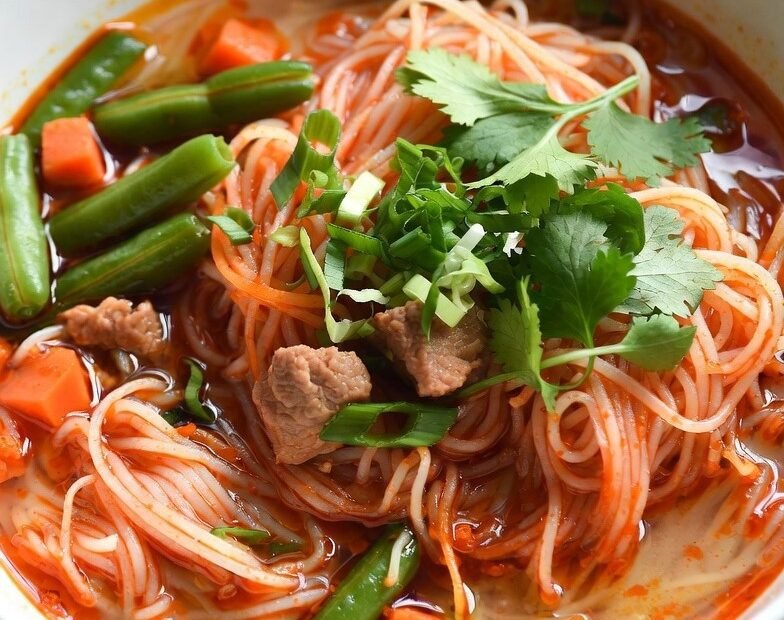
In the northern regions of China, where wheat is a staple and meals are built around warm bowls of noodles, there is one dish that quietly carries both history and comfort—Saozi Noodles. Known for its bright, slightly sour broth and flavorful topping, this dish is a beautiful example of how simple ingredients can come together to create something deeply satisfying.
Saozi noodles are not just about filling the stomach. They tell a story of family kitchens, festive gatherings, and everyday meals that bring people together. The dish is especially popular across northwest China, including Gansu, where bold flavors and hearty cooking are part of daily life.
If you have never tried Saozi noodles before, imagine a bowl where tender noodles sit in a light but flavorful broth, topped with a savory mix of minced meat and vegetables, with a gentle tang that wakes up your taste buds.
A Dish with a Warm, Lively Character
The word “saozi” refers to the topping—usually minced meat cooked with spices and vegetables. This topping is the heart of the dish. It is rich, aromatic, and slightly oily, designed to flavor the entire bowl.
But what makes Saozi noodles stand out is the broth. Unlike heavy soups, this broth is light and slightly sour, often made using vinegar. The sourness is not overpowering. It is balanced, giving the dish a refreshing quality that makes you want to keep eating.
In many homes, this dish is prepared during special occasions, but it is just as common on ordinary days when people want something comforting yet lively.
Ingredients You Will Need
For the noodles
- 2 cups all-purpose flour
- ¾ cup water
- A pinch of salt
For the saozi topping
- 200 g minced pork or beef
- 2 tablespoons oil
- 2 cloves garlic (chopped)
- 1 small piece ginger (chopped)
- 1 carrot (finely diced)
- A handful of green beans (chopped)
- 1 tablespoon soy sauce
- Salt to taste
For the broth
- 4 cups water or light stock
- 1–2 tablespoons vinegar
- 1 teaspoon soy sauce
- Salt to taste
For garnish
- Spring onions (chopped)
- Fresh coriander
- Optional chili oil
Making the Noodles
The process begins quietly, with flour and water coming together into a soft dough. As you knead it, the dough slowly becomes smooth and elastic. There is something calming about this step, almost like preparing the foundation for the entire meal.
Once the dough has rested, roll it out into thin sheets and cut it into long noodles. They do not need to be perfect. Slight variations in thickness give the dish a homemade feel.
Cook the noodles in boiling water until they are tender but still have a bit of bite. Drain them and set aside.
Preparing the Saozi Topping
Now comes the part where the kitchen begins to smell alive.
Heat oil in a pan and add garlic and ginger. The aroma rises quickly, warm and inviting. Add the minced meat and cook it until it changes color and starts to brown slightly.
As the meat cooks, add the diced carrots and green beans. These vegetables bring color and a slight sweetness that balances the richness of the meat.
Season with soy sauce and salt. Let everything cook together until the mixture becomes fragrant and slightly crisp around the edges.
This topping should be flavorful on its own, as it will carry the dish.
Making the Broth
The broth is simple, but it plays an important role.
Heat water or light stock in a pot. Add soy sauce, salt, and vinegar. Stir gently and taste as you go.
The key here is balance. The broth should be lightly sour, not sharp. It should feel refreshing rather than heavy.
Keep it warm, ready to bring the whole dish together.
Bringing It All Together
Take a bowl and place a portion of cooked noodles inside. Spoon the hot broth over them, letting it soak through the noodles.
Add a generous amount of the saozi topping on top.
Finish with spring onions, fresh coriander, and a drizzle of chili oil if you like a bit of heat.
The bowl is now complete—simple, colorful, and full of life.
A Bowl Full of Flavor and Memory
The first bite of Saozi Noodles is always memorable. The noodles are soft and comforting. The topping is rich and savory. Then comes the gentle tang from the broth, tying everything together.
It is a dish that feels both hearty and light at the same time. The sourness keeps it from feeling too heavy, making it perfect for any season.
In many ways, this dish reflects the rhythm of life in Gansu—simple, practical, yet full of character.
Nutrition Information
Saozi noodles offer a balanced mix of nutrients.
- Calories: Around 400–600 per serving
- Protein: Good amount from minced meat
- Carbohydrates: From noodles
- Fat: Moderate, depending on oil used
- Vitamins: From vegetables like carrots and beans
You can adjust the ingredients to make it lighter or richer based on your preference.
Preparation and Cooking Time
- Prep time: About 40 minutes
- Cooking time: Around 30 minutes
- Total time: About 1 hour 10 minutes
If you prepare the topping in advance, the dish comes together very quickly.
Tips for Home Cooks
Cooking Saozi noodles at home is straightforward, but a few thoughtful steps can make it even better.
Use fresh ingredients for the topping. The flavor of the dish depends heavily on this part.
Do not overcook the noodles. They should remain slightly firm to hold the broth well.
Taste the broth carefully. The balance of sour and savory is what defines the dish.
Cut vegetables finely so they blend well with the minced meat.
If you prefer a vegetarian version, you can replace the meat with mushrooms or tofu.
Make extra saozi topping and store it. It can be used in other dishes or quickly added to noodles later.
A Dish That Feels Like Home
In many households, Saozi noodles are more than just a meal. They are a way of bringing people together. A large pot of broth, a pan of fragrant topping, and freshly cooked noodles waiting to be served—it creates a rhythm in the kitchen that feels warm and familiar.
There is no rush. Each bowl is assembled with care, each serving slightly different, but all carrying the same comforting taste.
Saozi Noodles is a dish that proves you do not need complicated techniques to create something meaningful. With simple ingredients and a bit of patience, you can make a bowl that feels both nourishing and satisfying.
It is the kind of food that stays with you, not just because of its taste, but because of the feeling it brings. Warm, balanced, and full of character, Saozi noodles are a beautiful introduction to the flavors of Gansu cuisine.
