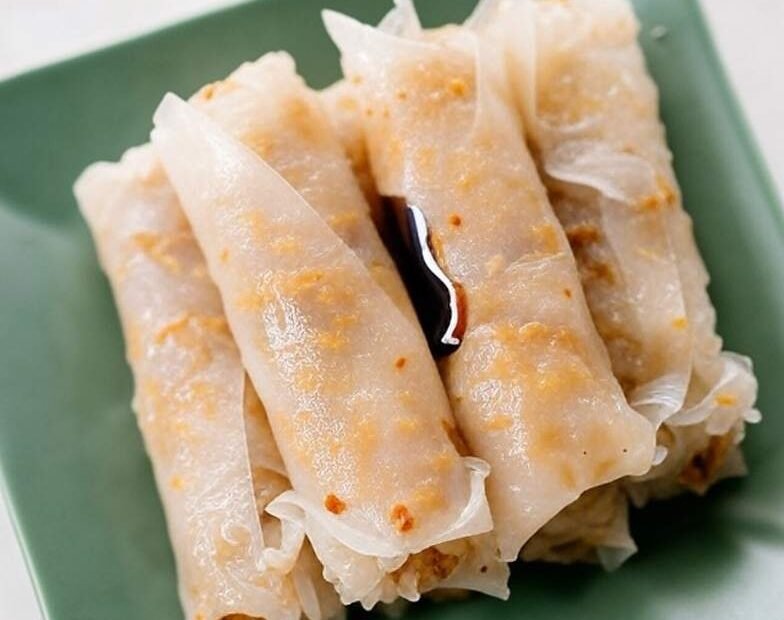
Rice Noodle Rolls, known locally in Cantonese as Cheong Fen, are one of Guangdong’s most cherished culinary creations. Silky, delicate, and incredibly versatile, these steamed rice sheets are a staple of dim sum halls and street-side breakfast shops alike. Whether filled with shrimp, beef, barbecued pork, or served plain with a drizzle of soy sauce, Cheong Fen embodies the elegance and precision of Cantonese cuisine.
This in-depth guide explores the origins, textures, variations, and techniques that make Rice Noodle Rolls so iconic. You’ll also find a detailed, step-by-step recipe for making them at home, along with tips to achieve the signature smooth, elastic texture.
What Makes Cheong Fen Special?
Cheong Fen stands out due to its simplicity and subtlety. At its core, it is a steamed sheet made from a mixture of rice flour, tapioca or wheat starch, water, and oil. When steamed correctly, it becomes soft, translucent, and slightly chewy, folding into silky rolls that catch sauces beautifully.
In Guangdong, Cheong Fen is eaten throughout the day. Morning versions at wet markets are often plain and drizzled with sesame seeds and soy sauce. At dim sum restaurants, fillings expand into shrimp, minced beef, char siu, or even vegetables. In Hong Kong and Guangzhou, every neighborhood has its own Cheong Fen stall, each with a slightly different texture and ratio of flours.
A Brief History of Rice Noodle Rolls
Cheong Fen has its origins in southern Chinese rice-growing regions, especially Guangzhou and HK where rice-based steamed foods flourished. Over time, this humble dish evolved from a simple rice sheet eaten by laborers into a refined dim sum item. Its popularity surged during the rise of Cantonese tea houses, where its silky texture and mild flavor perfectly complemented hot tea.
Today, Cheong Fen is beloved across East and Southeast Asia, and has become an essential introduction to Cantonese cuisine for global diners.
Ingredients and Tools Needed
Authentic Cheong Fen requires just a few ingredients, but the technique matters:
Dry Ingredients
- Rice flour
- Tapioca starch or wheat starch (tapioca gives elasticity, wheat starch gives tenderness)
- Cornstarch (optional, for extra smoothness)
- Salt
Wet Ingredients
- Water
- Neutral oil (vegetable or peanut oil)
Optional Fillings
- Cooked shrimp
- Steamed minced beef
- Char siu (Chinese BBQ pork)
- Mushrooms
- Chinese chives
Sauce
- Light soy sauce
- Water
- A little sugar
- Sesame oil
Equipment
- A flat steaming tray
- A large steamer or wok with a lid
- A batter jug or cup
- A scraper or offset spatula
- A silicone mat or thin stainless steel sheet (optional but helpful)
Perfecting the Cheong Fen Texture
The hallmark of good Cheong Fen is balance. Too much rice flour results in a brittle, dry sheet; too much tapioca makes it rubbery. Cantonese chefs often guard their flour ratios, but the recipe below uses a reliable mixture ideal for home kitchens.
The batter should be thin and pourable like heavy cream, not thick like pancake batter. When poured onto a tray, it forms a very thin layer that steams into a flexible sheet in less than two minutes.
Another secret: always stir the batter before pouring each tray, as the starches settle quickly.
Step-by-Step Cheong Fen Recipe
Prep Time: 20 minutes
Cook Time: 20 minutes
Total Time: 40 minutes
Servings: 4
Ingredients
Batter
- 1 cup rice flour
- 2 tablespoons tapioca starch
- 1 tablespoon wheat starch
- 1 teaspoon cornstarch
- 1½ cups water
- 1 tablespoon vegetable oil
- ¼ teaspoon salt
Sauce
- 3 tablespoons light soy sauce
- 3 tablespoons water
- ½ teaspoon sugar
- A few drops of sesame oil
Optional Fillings
- 150 g cooked shrimp or char siu, chopped
- 2 tablespoons chopped chives
Instructions
1. Prepare the Batter
- In a bowl, whisk together rice flour, tapioca starch, wheat starch, cornstarch, and salt.
- Gradually add water, whisking until no lumps remain. The batter should be smooth and very fluid.
- Stir in the vegetable oil.
- Set aside for 10 minutes, then stir again before using.
2. Prepare the Steaming Setup
- Fill a wok or steamer with water and bring it to a boil.
- Lightly oil a flat, rectangular steaming tray. The tray should fit inside your steamer.
3. Steam the First Sheet
- Stir the batter thoroughly.
- Pour a very thin layer onto the tray, tilting to spread evenly.
- Add fillings (if using) evenly across the surface.
- Steam for 2 minutes or until the sheet turns translucent.
4. Remove and Roll
- Carefully lift the tray out of the steamer.
- Use a silicone scraper or offset spatula to loosen one edge.
- Gently roll the sheet into a cylinder.
- Set aside and repeat for the remaining batter, stirring the batter each time before pouring.
5. Make the Sauce
- Combine soy sauce, water, sugar, and sesame oil in a small pan.
- Heat gently until sugar dissolves.
- Pour the sauce over the rice noodle rolls right before serving.
Serving Suggestions
Cheong Fen is best served hot and fresh from the steamer. In dim sum restaurants, it is cut into short sections and placed in shallow dishes before a warm soy-based sauce is ladled over it.
Variations include:
- Shrimp Cheong Fen: light and sweet, often the most popular variety.
- Beef Cheong Fen: filled with seasoned minced beef and sometimes topped with coriander.
- Char Siu Cheong Fen: sweet-savory with delicious roasted pork.
- Plain Cheong Fen: enjoyed with dried shrimp and scallions or just soy sauce.
Cheong Fen pairs beautifully with jasmine tea, chrysanthemum tea, or warm oolong teas traditionally served at yum cha.
Nutritional Information (Approximate Per Serving)
- Calories: 185–230 (varies with filling)
- Carbohydrates: 35–40 g
- Protein: 3–10 g (depending on filling)
- Fat: 3–5 g
- Fiber: 1–2 g
- Sodium: moderate due to soy sauce
Cheong Fen is naturally gluten-free when wheat starch is omitted or substituted. It is also light, easy to digest, and low in fat, making it suitable for a wide range of dietary preferences.
Tips for Perfecting Your Cheong Fen
Use freshly stirred batter
Starches settle fast. If the bottom layer thickens, your sheets will become gummy instead of silky.
Keep the layer thin
Thin sheets result in the signature tender texture. Thick batter leads to chewy rolls.
Steam at high heat
A strong burst of steam ensures even cooking and prevents cracking.
Oil the tray lightly
This helps the sheet release easily and roll smoothly.
Practice makes perfect
The first sheet is often a test sheet. As you adjust the amount of batter, the steaming time, and your rolling technique, your results improve quickly.
Why Make Cheong Fen at Home?
While dim sum restaurants offer beautifully crafted Cheong Fen, homemade versions have a special charm. You can customize the fillings, adjust the thickness, and enjoy the freshness that comes only from steaming and serving immediately.
For those who appreciate the craft behind Cantonese cuisine, Cheong Fen provides a hands-on introduction to its precision and delicacy. The dish may appear simple, but mastering it is a delightful culinary journey.
Final Thoughts
Rice Noodle Rolls, or Cheong Fen, represent the heart of Cantonese cooking: refined yet modest, comforting yet elegant. Making them at home allows you to experience the satisfaction of transforming everyday ingredients into a silky, delicious creation that has delighted generations across Guangdong and beyond.
With the recipe and techniques in this guide, you can recreate an authentic dim sum experience in your own kitchen and discover the joy of crafting Cheong Fen from scratch.
