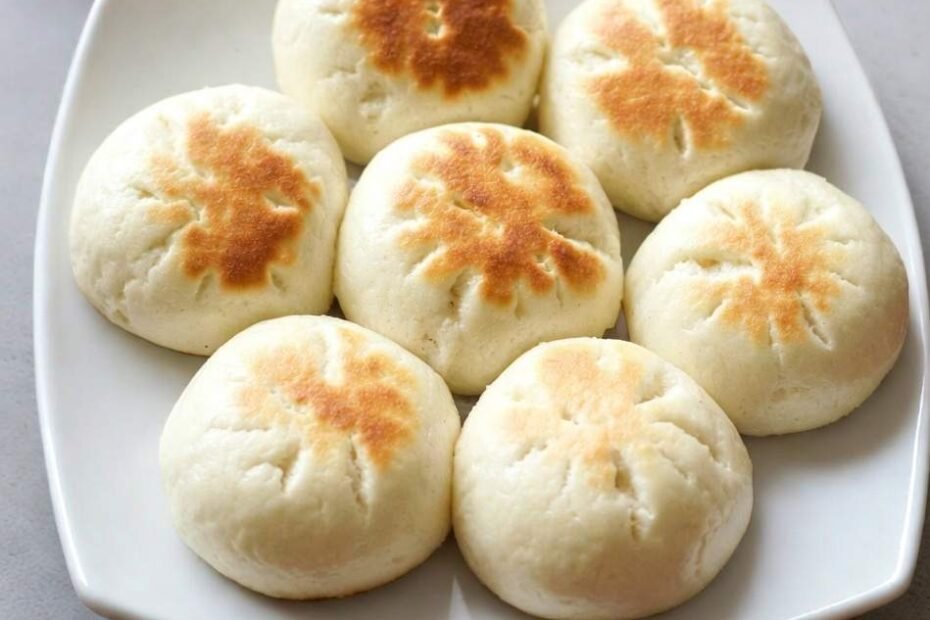
When you travel across the rugged, picturesque province of Gansu, you encounter a blend of cultures — Han, Hui, Tibetan — all leaving their mark on the region’s food. Among its most comforting and beloved dishes is Hezhou Baozi (河州包子), soft, pillowy steamed buns filled with juicy meat or vegetables. Originating from Linxia, historically known as Hezhou, this dish reflects the rich Muslim culinary heritage of the region.
Unlike the sweeter baozi of southern China, the Hezhou version is hearty, savory, and distinctly northwestern — filled with spiced lamb or beef, onions, and sometimes turnips or vermicelli. It’s a meal of warmth and hospitality, often served at family gatherings, festivals, and morning markets.
Let’s explore the story, taste, and preparation of this humble yet iconic dish from Gansu.
The Cultural Roots of Hezhou Baozi
Hezhou Baozi is not just a snack — it’s part of daily life in the Hui Muslim communities of Gansu. The city of Linxia, nicknamed “the Little Mecca of China,” is where this version gained fame. Every morning, locals flock to the markets for freshly steamed baozi, their aroma drifting through narrow alleys.
The baozi here are larger and juicier than typical dim sum buns. They’re often stuffed with minced lamb, onions, and mild spices — a perfect reflection of Islamic dietary traditions. The dough is slightly chewy, the filling aromatic, and the steam gives each bun a soft, cloud-like texture.
Visitors often find that one bite of Hezhou Baozi tells a story — of faith, family, and a thousand mornings spent sharing food over steaming cups of tea.
What Makes Hezhou Baozi Unique
Several elements make Hezhou Baozi stand out from other regional buns:
- Halal Ingredients: No pork or lard — instead, lamb or beef cooked in oil or broth.
- Aromatic Filling: Flavored with green onions, garlic, ginger, and soy sauce, sometimes with local chili flakes.
- Handmade Dough: The dough is kneaded and rested twice, giving the baozi their signature elasticity and softness.
- Traditional Steaming: Baozi are steamed over large bamboo or metal tiers, filling the air with a savory, yeasty fragrance.
It’s a dish that embodies patience and precision — every fold, pinch, and twist has been perfected over generations.
Ingredients for Authentic Hezhou Baozi
Serves: 6–8 people
Prep Time: 1 hour 15 minutes
Cook Time: 20 minutes
Total Time: About 1 hour 35 minutes
For the Dough:
- 3 cups all-purpose flour
- 1 cup warm water (about 40°C)
- 2 tsp instant yeast
- 1 tbsp sugar
- ½ tsp salt
- 1 tbsp vegetable oil
For the Filling:
- 400 g minced lamb or beef
- 1 medium onion, finely chopped
- 2 tbsp soy sauce
- 1 tbsp sesame oil
- 1 tsp ground cumin
- ½ tsp white pepper
- ½ tsp salt (adjust to taste)
- 2 tbsp chopped green onions
- 1 tbsp grated ginger
- Optional: ½ cup finely diced turnip or carrot
Step-by-Step Recipe for Hezhou Baozi
Step 1 – Prepare the Dough
In a large mixing bowl, combine warm water, yeast, and sugar. Let it sit for 5 minutes until frothy.
Add flour, salt, and vegetable oil. Mix and knead until the dough becomes smooth and elastic — about 10 minutes of kneading.
Cover with a damp cloth and let it rise in a warm place for about 1 hour, or until it doubles in size.
Tip: The secret to soft baozi lies in allowing enough fermentation time. Don’t rush this step!
Step 2 – Make the Filling
While the dough is rising, prepare the filling.
In a mixing bowl, add minced lamb (or beef), chopped onions, green onions, soy sauce, sesame oil, ginger, cumin, pepper, and salt. Mix well using chopsticks or your hands until the filling becomes sticky and cohesive.
If you want extra juiciness, you can add 2–3 tablespoons of cold broth or water. This gives the baozi that signature juicy burst when you bite into them.
Variation: In Linxia, some families also add chopped napa cabbage or vermicelli noodles for extra texture.
Step 3 – Punch Down and Divide the Dough
Once the dough has risen, punch it down gently to release air. Knead for another 2–3 minutes.
Divide it into small balls (about the size of a ping-pong ball). Flatten each piece with your palm and roll into small circles, slightly thicker in the center and thinner at the edges.
This helps the bun hold the filling without tearing during steaming.
Step 4 – Fill and Shape the Baozi
Place a spoonful of the meat mixture in the center of each dough circle.
Hold the edges and start folding them inward, pinching as you go to create pleats. Twist the top gently to seal.
Don’t worry if they’re not perfect — each baozi will still puff beautifully in the steamer.
Place the buns on parchment paper squares to prevent sticking.
Step 5 – Steam the Baozi
Prepare your steamer and bring the water to a boil. Arrange the baozi in the steamer tray, leaving a little space between each one.
Steam over medium-high heat for 15–18 minutes.
Turn off the heat and let them sit covered for 3 minutes before opening the lid — this prevents sudden cooling that can make them collapse.
Step 6 – Serve Hot
Lift the lid, and you’ll be greeted by the sight of plump, glossy buns and the irresistible aroma of lamb and onions.
Serve hot, ideally with a small bowl of vinegar-chili dipping sauce or a cup of Chinese milk tea (nai cha).
The Taste and Texture
The moment you bite into a Hezhou Baozi, you’ll notice the contrast between the soft, fluffy exterior and the juicy, savory filling. The lamb is rich but balanced with the sweetness of onions and a hint of spice from cumin and ginger.
Each bun feels like a small, self-contained meal — satisfying, fragrant, and perfectly seasoned. It’s easy to understand why Hezhou Baozi is a favorite breakfast or lunch across Gansu.
Nutrition Information (Per 2 Baozi Serving Approx.)
| Nutrient | Amount |
|---|---|
| Calories | 380 kcal |
| Protein | 21 g |
| Fat | 13 g |
| Carbohydrates | 42 g |
| Fiber | 2 g |
| Sodium | 640 mg |
Nutrition Highlights
- High in protein from lamb or beef, supporting muscle strength and energy.
- Complex carbs from the dough provide sustained energy.
- Healthy fats from sesame oil add richness and aid absorption of nutrients.
- Low in sugar, making it a balanced, wholesome meal.
Prep and Cook Time
| Step | Duration |
|---|---|
| Dough Preparation and Rising | 1 hour |
| Filling Preparation | 15 minutes |
| Shaping and Steaming | 20 minutes |
| Total Time | ~1 hour 35 minutes |
Tips for Perfect Hezhou Baozi
- Don’t overfill — Too much filling can cause the buns to burst during steaming.
- Keep the dough moist — Cover unused dough with a damp towel to prevent drying.
- Steam on medium heat — Too high heat can make the buns crack.
- Experiment with fillings — Try minced chicken with leeks or tofu with mushrooms for vegetarian versions.
- Eat fresh — Baozi taste best when served straight from the steamer.
The Role of Baozi in Gansu’s Daily Life
In Hezhou and across Gansu, baozi are more than just food — they’re a way to start the day. Families often gather for breakfast around steaming trays of buns, sharing stories and laughter. Street vendors line up along the markets, offering dozens of variations — some stuffed with meat, others with cabbage, or even red bean paste for a sweet treat.
For travelers, it’s a window into the rhythm of life in northwest China — simple, grounded, and full of warmth.
Final Thoughts
Hezhou Baozi stands as a delicious example of how food preserves culture and identity. Born from the Hui Muslim kitchens of Gansu, it represents hospitality, patience, and craft.
Every soft fold and fragrant bite reminds you of a community that thrives on connection — between land and table, between generations, and between the hands that shape the dough and those that break bread together.
