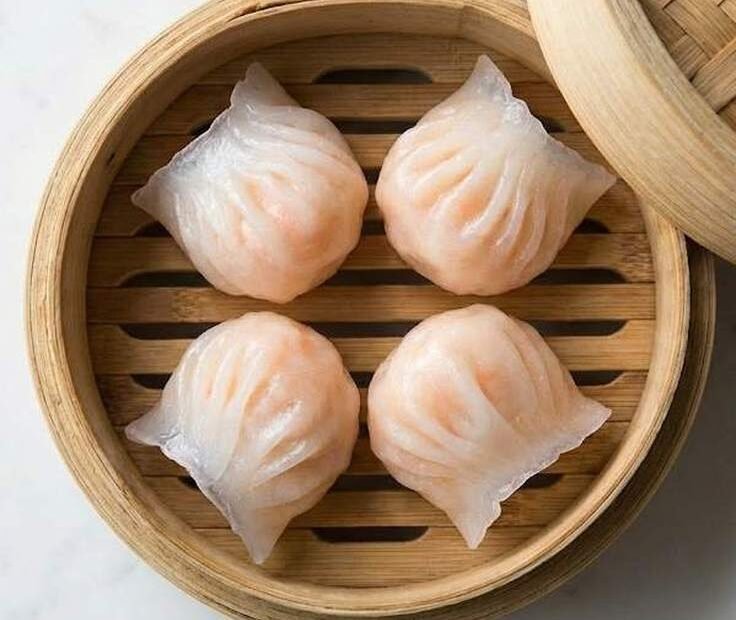
Shrimp Dumplings, known across the world by their Cantonese name Har Gao, are one of Guangdong’s most iconic dim sum dishes. Their translucent skin, juicy shrimp filling, and delicate pleats have become symbols of Cantonese culinary craftsmanship. Har Gao is so central to the dim sum experience that many chefs use it as a benchmark dish to measure the skill of a dim sum kitchen. A perfectly made Har Gao should have a thin, elastic wrapper that is translucent yet strong enough not to tear, paired with a plump, well-seasoned shrimp filling that is tender and slightly crisp.
In this in-depth article, we explore the origins, cultural value, techniques, and a detailed recipe to help you recreate restaurant-quality Har Gao at home. The process may seem intricate, but with some practice, you can master this timeless delicacy.
Understanding Har Gao: A Cantonese Dim Sum Classic
Har Gao originated in the teahouses of Guangzhou, where dim sum began as small snacks for travelers and merchants. Over time, dim sum evolved into an entire culinary tradition, and Har Gao earned a place as one of the most respected dishes on every menu. Unlike many dumplings that use wheat flour, Har Gao is made with a combination of wheat starch and tapioca starch. This gives the wrapper its iconic translucent appearance and stretchy texture.
Despite their delicate look, Har Gao should never feel mushy or soggy. A high-quality Har Gao has a wrapper that appears almost glossy, with clear visibility of the pinkish shrimp inside. The filling typically includes shrimp, bamboo shoots, a bit of fat or oil for moisture, and a mild seasoning that allows the sweetness of the shrimp to shine through.
Ingredients and Flavor Profile
Har Gao stands out because of its simplicity. Instead of aggressive spices or thick sauces, Cantonese cooking emphasizes freshness and balance. The shrimp should be the star, supported by gentle seasoning.
Here’s what gives Har Gao its signature flavor:
- Fresh shrimp for a sweet, clean taste and snappy texture
- Bamboo shoots for crunch
- A touch of sesame oil for aroma
- Salt, sugar, and white pepper for subtle seasoning
- Wheat starch and tapioca starch for the wrapper
Every component plays a role. Too much seasoning masks the shrimp. Too little starch makes the wrapper crumble. Too much starch makes it overly chewy. Achieving harmony between texture and flavor is the essence of perfect Har Gao.
Prep Time and Cook Time
Prep Time: 45 minutes
Cook Time: 10 minutes
Total Time: 55 minutes
Servings: Makes about 24 dumplings
Ingredients
For the Wrapper
- 1 cup wheat starch
- 1/2 cup tapioca starch
- 1 cup boiling water
- 1 tablespoon vegetable oil
- Pinch of salt
For the Filling
- 350 g fresh shrimp, peeled and deveined
- 1/4 cup bamboo shoots, finely diced
- 1 tablespoon cornstarch
- 1 teaspoon sesame oil
- 1/2 teaspoon white pepper
- 1 teaspoon sugar
- 1/2 teaspoon salt
- 1 tablespoon cooking wine (optional)
- 1 teaspoon grated ginger (optional)
Step-by-Step Recipe for Shrimp Dumplings (Har Gao)
Step 1: Prepare the Shrimp
Rinse the shrimp thoroughly in cold water. Pat them dry with a kitchen towel and chop them into small pieces, leaving some slightly larger chunks for texture. Har Gao should have shrimp that are not ground into a paste; the filling should feel juicy and slightly firm when bitten into.
Place the chopped shrimp in a bowl and add salt, sugar, white pepper, sesame oil, cornstarch, and optional ginger or cooking wine. Mix well until the shrimp become sticky and cohesive. This stickiness ensures that the filling stays together inside the wrapper.
Fold in the diced bamboo shoots. Set the filling aside to marinate for at least 10 minutes.
Step 2: Make the Dumpling Dough
The wrapper is the most challenging part of Har Gao. It must be mixed with boiling water, not warm or cold, to ensure the starches gelatinize properly.
In a mixing bowl, combine wheat starch, tapioca starch, and salt. Pour the boiling water slowly into the bowl while stirring with chopsticks or a spatula. The mixture will look crumbly at first. Add the vegetable oil and continue stirring until the dough begins to form.
Once it is cool enough to touch, knead the dough with your hands for about 3 to 4 minutes until it becomes smooth, slightly glossy, and elastic. If the dough feels dry, add a teaspoon of hot water. If it feels sticky, dust your hands with a little wheat starch.
Cover the dough with a warm towel to keep it from drying out.
Step 3: Shape the Wrappers
Divide the dough into several small pieces and roll each into a log. Cut each log into 10 to 12 equal portions. Keep the pieces covered to prevent them from hardening.
Take one dough piece and flatten it into a disc using a rolling pin or the back of a cleaver. Aim for wrappers about 3 inches in diameter. Har Gao wrappers should be thinner around the edges and slightly thicker in the center to hold the filling.
Continue shaping all wrappers before assembling the dumplings.
Step 4: Fill and Fold the Dumplings
Place a small spoonful of shrimp filling in the center of each wrapper. Do not overfill, or the wrapper will tear.
To fold the dumplings, create small pleats on one side of the wrapper while pressing it gently against the other side to seal. Traditionally, Har Gao has 7 to 12 pleats, but feel free to start with fewer until you build confidence.
Pinch the edges tightly to lock in the filling. The dumpling should look like a half-moon with delicate ridges.
Step 5: Steam the Har Gao
Prepare a steamer lined with parchment paper or cabbage leaves to prevent sticking. Place the dumplings inside with some space between them.
Steam over high heat for about 6 to 7 minutes. The wrappers should turn translucent, and the shrimp inside should appear pink and cooked through. Do not oversteam, or the wrappers may toughen.
Serve immediately while they are hot and tender.
What to Serve with Har Gao
Cantonese dim sum is typically served with tea, especially jasmine, oolong, or pu-erh. Har Gao may also be served with light soy sauce or chili oil, although traditionalists prefer enjoying them without dipping sauces to preserve the delicate shrimp flavor.
Pair them with other dim sum classics such as siu mai, steamed spare ribs, turnip cake, char siu buns, or congee for a complete dim sum experience.
Nutrition Information (Approximate per 4–5 dumplings)
- Calories: 220
- Protein: 18 g
- Carbohydrates: 25 g
- Fat: 5 g
- Fiber: 1 g
- Sodium: 450 mg
Har Gao is relatively low in fat and high in protein due to its generous shrimp content. The starch wrapper adds carbohydrates but keeps the dish light compared to fried dim sum options.
Tips for Perfect Har Gao
- Always use boiling water when making the wrapper dough.
- Knead the dough until smooth, but avoid overworking it.
- Keep the dough covered so it does not dry out.
- Do not grind the shrimp; chopped shrimp create better texture.
- Steam on high heat to ensure the wrappers turn translucent.
Once you get comfortable with the dough consistency and the folding technique, making Har Gao becomes much easier and more enjoyable.
Final Thoughts
Har Gao is one of Guangdong’s most beloved culinary treasures. Its elegant appearance and subtle, refined flavor represent the spirit of Cantonese cooking: fresh ingredients, skilled craftsmanship, and delicate balance. While making Har Gao at home requires patience, the process is rewarding, and the result is a delicious, restaurant-quality dim sum experience.
Whether you are a dim sum enthusiast, a home cook looking to challenge yourself, or someone exploring regional Chinese cuisine, Har Gao offers a beautiful blend of tradition, technique, and taste.
