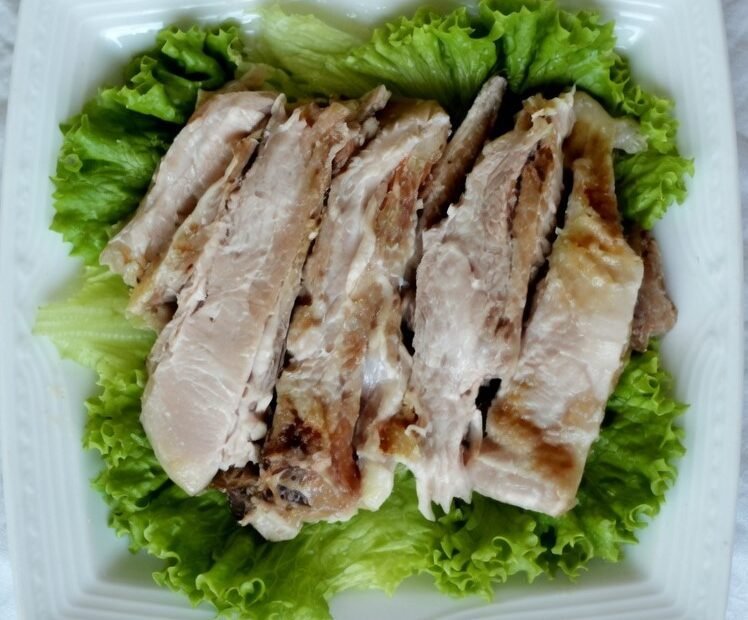
In the vast, wind-swept landscapes of northwest China, where grasslands stretch far and herding has shaped daily life for generations, food is often simple, honest, and deeply satisfying. One such dish is Hand-grab mutton, a meal that feels as much like an experience as it does a recipe.
This dish is exactly what its name suggests. Tender pieces of mutton are cooked until soft and juicy, then served plain, often with just a little salt or dipping sauce. Traditionally, it is eaten with the hands, shared among family and friends gathered around a table. There is no rush, no complicated plating—just warm meat, simple flavors, and conversation.
In Gansu and nearby regions, this dish reflects a way of life where ingredients are respected and cooking is kept minimal to highlight natural taste.
A Dish Rooted in Tradition
Hand-grab mutton comes from communities where sheep and goats are a central part of life. Instead of using heavy spices or long ingredient lists, people rely on freshness and careful cooking.
The idea is simple: if the meat is good, you do not need to do much to it.
The cooking method is usually boiling or gentle simmering. This keeps the meat tender while preserving its natural flavor. The broth that forms during cooking is often served alongside, making nothing go to waste.
The act of eating with your hands is also important. It connects you directly with the food, making the meal feel more personal and shared.
Ingredients You Will Need
For the mutton
- 1 kg mutton (bone-in pieces preferred)
- 2 liters water
- 1 small piece ginger (sliced)
- 2–3 cloves garlic
- 2 spring onions
- Salt to taste
Optional aromatics
- A few Sichuan peppercorns
- A small piece of cinnamon
- 1–2 dried chilies
For dipping (optional)
- Salt and pepper mix
- Chili flakes
- Minced garlic with a little soy sauce
Preparing the Meat
Start by choosing good quality mutton. Freshness matters more than anything else in this dish.
Wash the meat under cold water. To remove any strong smell, place the pieces in a pot with water, bring it to a boil briefly, then discard the water. Rinse the meat again.
This step helps keep the final broth clean and the flavor pure.
Cooking the Mutton
Place the cleaned mutton in a large pot and add fresh water. Add ginger, garlic, and spring onions.
As the pot begins to heat, a light foam may rise to the surface. Gently skim it off. This keeps the broth clear.
Let the meat simmer slowly. Avoid a strong boil. A gentle simmer allows the meat to become tender without turning tough.
If you are using optional spices like Sichuan peppercorns or cinnamon, add them lightly. The goal is not to overpower the meat but to give a hint of aroma.
Cook for about one and a half to two hours, depending on the cut. The mutton should be soft enough to pull apart easily but still hold its shape.
Add salt toward the end of cooking.
Serving the Dish
Once the mutton is ready, remove the pieces and place them on a large serving plate.
Serve the broth separately in bowls. It is light, warm, and comforting.
Traditionally, the meat is eaten by hand. You pick up a piece, dip it lightly in salt or sauce, and enjoy it slowly.
There is something very satisfying about this simple act. It turns a meal into a shared moment.
A Taste That Speaks for Itself
The flavor of Hand-grab mutton is gentle but rich.
The meat is soft and juicy, with a natural sweetness that comes from slow cooking. The broth is clear and slightly milky, carrying the essence of the meat.
Because there are very few spices, every bite feels clean and honest. It is not a dish that tries to impress with bold flavors. Instead, it wins you over with its simplicity.
Nutrition Information
Hand-grab mutton is both nourishing and filling.
- Calories: Around 500–700 per serving
- Protein: High, from mutton
- Fat: Moderate to high, depending on the cut
- Iron: Rich source, helpful for energy
- Vitamins: Contains B vitamins from meat
The broth also provides hydration and minerals, making it a wholesome meal.
Preparation and Cooking Time
- Prep time: About 20 minutes
- Cooking time: 1.5 to 2 hours
- Total time: Around 2 hours 20 minutes
Most of the time is spent simmering, which requires little effort.
Tips for Home Cooks
Cooking this dish at home is simple, but attention to small details makes a big difference.
Choose bone-in cuts for better flavor. Bones add depth to the broth.
Do not rush the cooking. Slow simmering is the key to tender meat.
Avoid adding too many spices. The focus should remain on the natural taste of the mutton.
Skim the broth regularly to keep it clear and clean.
Taste the broth before adding salt. The flavor develops as it cooks.
If the meat feels tough, give it more time. Patience is important here.
Serve the dish hot. Warm meat and broth bring out the best flavor.
A Meal Meant to Be Shared
In many parts of Gansu, hand-grab mutton is not eaten alone. It is prepared when people gather—family meals, celebrations, or simple evenings when everyone is home.
A large plate of meat sits at the center of the table. Bowls of broth are passed around. People talk, laugh, and eat slowly.
There is no strict order, no complicated serving style. Everyone takes what they like, enjoying the meal at their own pace.
This shared style of eating makes the dish feel warm and welcoming.
Hand-grab mutton is a reminder that good food does not always need complexity. Sometimes, the best meals come from simple ingredients treated with care.
This dish celebrates the natural flavor of mutton, the comfort of warm broth, and the joy of eating together. It is quiet, honest cooking at its best.
When you make it at home, you are not just preparing a recipe. You are stepping into a tradition that values simplicity, patience, and connection.
And when you sit down with a plate of tender mutton and a bowl of warm broth, you will understand why this dish has remained a favorite across generations.
